






Welcome To Shawpak Systems Ltd
Established in 1984 Shawpak Systems prides itself on providing high level technical sales and support to our valued customer base. Offering solutions for Product Inspection, Packaging and Hygiene equipment sales and after sales support including certified customer training on site or at our Centre of Excellence training and demonstration facility.
What Our Clients Are Saying
North American Distributor Hygiene Equipment Solutions
Shawpak are the exclusive distributor in North America for Hygiene Solutions with complete parts and service support.
Product Safety
Our experience in the product inspection industry is essential to the success of our quality assurance program, because we can enhance the safety of your products by detecting contaminants, for the removal, before those products reach your consumers.
Protection and Trust
Protecting your customers, shareholders and brand is your ultimate goal. Ensuring that you have the proper equipment to do the job is ours.
Technical Advisors
Shawpak Systems Technical Advisors will guide you through the best practice options available based on your specific application, acting as your Trusted Advisor.


Automatic Liquid Packaging Machine
An automatic liquid packaging machine is a precision system that measures, fills, seals, and labels liquid products at high speed with minimal human intervention. If you work in food processing, beverage manufacturing, or pharmaceutical production, this equipment is essential for meeting output demands while maintaining product consistency and safety. Shawpak Systems Ltd, based in Oakville, Ontario, has helped North American facilities implement these systems since 1984, combining equipment supply with hands-on technical support and on-site training to ensure your operation runs smoothly from day one.
This guide walks you through the critical steps to get your packaging line operational, from site preparation through first production run. By following this process, you will avoid costly downtime, ensure worker safety, and establish a reliable foundation for consistent output.
Step 1: Assess Your Facility Space and Electrical Infrastructure
Before equipment arrives, measure your production floor to confirm adequate space for the machine, inbound product staging, and outbound case palletizing. Most facilities in Oakville and across North America underestimate the footprint needed for ancillary equipment like product hoppers, capping stations, and conveyor extensions. Account for 360-degree access for maintenance and operator movement during setup and cleaning cycles.
Next, verify your electrical supply meets the machine's specifications. Industrial liquid packaging equipment typically requires 208V or 480V three-phase power, with dedicated circuits and proper grounding. Contact a licensed electrician to confirm capacity and install new lines if needed. Shawpak Systems provides detailed electrical schematics with every installation, and our technical team reviews your facility's power distribution before equipment ships to prevent startup delays.
Step 2: Prepare Product Supply Lines and sanitation protocols
Liquid packaging machines depend on clean, consistent product flow. Install stainless steel piping or food-grade tubing from your storage tanks or mixers to the machine's inlet ports. Use unions at connection points so you can disconnect sections for cleaning and inspection without disturbing the entire line. Include ball valves at strategic points to isolate sections during maintenance.
Establish a daily sanitation routine before first production. Run cleaning solution or hot water through the product lines to remove any manufacturing residue or debris. This step is non-negotiable for facilities serving pharmaceutical or meat processing markets, where contamination recalls create liability and loss. Shawpak's on-site training emphasizes these protocols because they directly affect product safety and equipment longevity. Your cleaning schedule should be documented and reviewed with your entire production team.
Step 3: Install the Machine and Calibrate Measurement Systems
Once your facility is ready, the packaging equipment is positioned on a level, vibration-free surface. Shawpak technicians oversee this process, ensuring all mounting bolts are torqued to specification and the frame is square. Misalignment causes fill inconsistency and sealing failures that waste product and halt production.
Calibration is where precision begins. The filling mechanism-whether it uses piston pumps, gear pumps, or peristaltic systems-must be zeroed and validated against your target fill volume. Run 10 to 20 test containers and measure the actual volume dispensed. Adjust pump speed or stroke length until results fall within your tolerance, typically plus or minus 2 percent. Document these baseline settings in your machine logbook. Because variables like product viscosity and ambient temperature shift over time, recalibration every quarter maintains accuracy and reduces product giveaway.
Step 4: Configure Labeling, Sealing, and Quality Control Features
Most automatic liquid packaging systems include label applicators, heat sealers or capping heads, and checkweighers. Configure each component to match your product specifications and regulatory requirements. Test labels must stick cleanly without wrinkles or gaps; run a sample batch and inspect each unit before committing to full production.
If your machine includes a checkweigher, program it to reject containers that fall outside acceptable weight range. This safeguard catches filling errors before bad product reaches customers. For facilities in Oakville serving North American food processors or pharmaceutical companies, this step is critical for compliance and brand protection. Set the reject threshold conservatively-slightly underfilled product is safer than overfilled product that damages case stacking or exceeds label claims.
Step 5: Train Your Team and Document Standard Operating Procedures
Your operators are the machine's daily custodians. Schedule hands-on training with Shawpak Systems' certified technicians, who work directly with your staff to cover startup sequences, product changeovers, troubleshooting common jams or seal failures, and emergency shutdown. This training is delivered on-site, using your actual equipment and products, so operators build confidence before running independently.
Create written standard operating procedures (SOPs) specific to your facility and product line. Include startup checklists, fill volume verification methods, cleaning and sanitation steps, and escalation contacts for equipment faults. Post these documents near the machine and review them annually or whenever you change products. Because employee turnover is inevitable, good documentation ensures consistency across shifts and years. Shawpak's Centre of Excellence facility in Oakville is available for advanced training or troubleshooting if your team encounters persistent issues after installation.
Setting up an automatic liquid packaging machine successfully takes planning and patience, but the payoff is undeniable: faster throughput, fewer fill errors, reduced labor cost, and a product that meets customer and regulatory expectations every time. If you are ready to implement this technology or need guidance selecting the right system for your facility, Shawpak Systems Ltd is ready to partner with you. Contact our team to discuss your requirements and learn how we support manufacturing and food processing operations across North America.
Frequently Asked Questions
What is the typical lead time for an automatic liquid packaging machine installation in Oakville?
Lead time depends on equipment availability, customization, and your facility's readiness. Shawpak Systems typically coordinates delivery and installation within weeks of order, but site preparation-electrical upgrades, piping, and space clearing-often takes additional time. Our team works with you to develop a realistic timeline and identifies any facility constraints early so installation proceeds without delay.
How often does a liquid packaging system need maintenance and recalibration?
Preventive maintenance should occur monthly, including seal inspection, pump cleaning, and visual checks for wear. Recalibration is recommended quarterly or whenever you change product types, to ensure fill accuracy stays within tolerance. Shawpak provides parts distribution and after-sales support across Canada and the USA, so replacement components and technical guidance are always accessible when you need them.
Can a packaging machine handle different liquid viscosities or product types?
Yes, but changeover requires adjustment to pump speed, piston stroke, or filling nozzle size, depending on the system design and product properties. Thin liquids like water fill faster than thick products like honey or yogurt. Shawpak's technical advisory team helps you evaluate whether a single machine can accommodate your product range or if separate equipment is justified; our on-site training ensures your team executes changeovers correctly to minimize downtime.


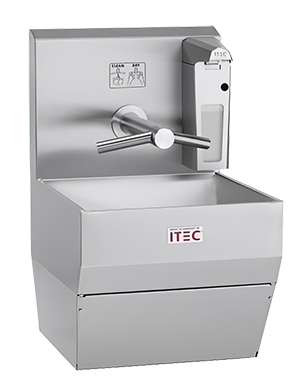
Products to Suit Your Needs
- Hygiene Equipment
- Product Inspection
- Packaging Equipment
- Training and Demo Facility
- Sealing Equipment
- Custom Conveyors
- Consultant Service
- Direct Drive Technology
- Spare Parts
- Test Samples
Contact US
For general information or to set up an appointment please complete the form below or give us a call.
GENERAL INQUIRIES
Sales (905) 847 0122 EXT 1
Accounting (905) 847 0122 EXT 4