






Welcome To Shawpak Systems Ltd
Established in 1984 Shawpak Systems prides itself on providing high level technical sales and support to our valued customer base. Offering solutions for Product Inspection, Packaging and Hygiene equipment sales and after sales support including certified customer training on site or at our Centre of Excellence training and demonstration facility.
What Our Clients Are Saying
North American Distributor Hygiene Equipment Solutions
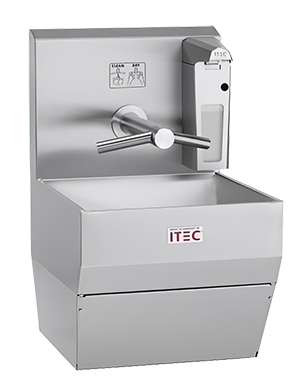
Shawpak are the exclusive distributor in North America for Hygiene Solutions with complete parts and service support.
Product Safety
Our experience in the product inspection industry is essential to the success of our quality assurance program, because we can enhance the safety of your products by detecting contaminants, for the removal, before those products reach your consumers.
Protection and Trust
Protecting your customers, shareholders and brand is your ultimate goal. Ensuring that you have the proper equipment to do the job is ours.
Technical Advisors
Shawpak Systems Technical Advisors will guide you through the best practice options available based on your specific application, acting as your Trusted Advisor.


Beverage Inspection Machine
A beverage inspection machine is an automated system that detects contaminants, verifies fill levels, checks seal integrity, and identifies packaging defects in beverages before they reach consumers. If you work in food processing, beverage manufacturing, or a related facility in Oakville or anywhere across North America, understanding how to operate and maintain this equipment is essential to protecting your product and your reputation.
Shawpak Systems Ltd has been helping manufacturing and food processing facilities implement quality control equipment since 1984. As an established industrial equipment distributor based in Oakville, Ontario, we supply inspection machinery alongside comprehensive training and on-site support to ensure your team uses these systems effectively. This guide walks you through the essential steps of setting up and operating beverage inspection equipment so your facility meets hygiene and quality standards.
Step 1: Understand Your Inspection Machine's Core Functions
Before you begin operation, familiarize yourself with what your inspection system actually does. Most modern beverage inspection equipment uses a combination of cameras, sensors, and software to examine each container. These machines can detect foreign objects (glass, plastic, metal), measure fill accuracy to within millimeters, verify that caps and seals are applied correctly, and flag damaged or misaligned packaging. Think of it as having a quality inspector who never blinks, never gets tired, and processes hundreds of bottles per minute.
The specific capabilities depend on your equipment configuration. Your Shawpak Systems Ltd technical team will have documented which inspection modes are active on your machine. Review this documentation before your first shift. Know whether your system checks for fill level only, or whether it also inspects for seal integrity and foreign object detection. This clarity prevents confusion when something unusual appears on the display or when a container is rejected.
Step 2: Prepare Your Production Line and Calibrate the System
Proper setup is where most quality control problems actually begin. Start by ensuring your production line is clean and free of debris. Dust, spilled product, or condensation on the inspection machine's optical surfaces will cause false rejections and waste product. Use only the cleaning materials recommended in your equipment manual; harsh solvents can damage sensors and cameras. If you are operating a facility in Oakville or serving the broader North American market, your production downtime is expensive, so preventive cleaning saves far more than it costs.
Next, calibrate your machine according to the manufacturer's specifications. Calibration typically involves running a series of reference samples or calibration containers through the inspection zone so the machine learns what a good product looks like. Load these reference containers into your hopper or feed mechanism exactly as you would production containers. The system will measure dimensions, color, fill height, and other parameters. Once calibration is complete, the machine uses these baseline readings to judge every subsequent container. Recalibrate whenever you change product type, container shape, or bottle material. Many facilities in Oakville and across North America skip this step and then spend weeks troubleshooting phantom rejections.
Step 3: Load and Configure Detection Parameters
Your inspection machine stores detection rules in its software. Before you run production, enter or verify the correct parameters for your current product. These typically include minimum and maximum fill volumes, acceptable color ranges, required seal pressure readings, and the types of foreign objects your facility considers critical. For example, a beverage facility might reject any container with less than 95 percent of target fill volume, or any container where the cap sits visibly crooked.
Shawpak Systems Ltd's technical advisory team helps you set these thresholds appropriately. Too strict and you reject good product; too loose and defective items reach your customers. Work with your operations director and quality manager to establish settings that reflect your brand standards and regulatory requirements. Document these settings; they become your baseline for future troubleshooting. If your facility is in Oakville or another location served across North America, having these parameters recorded means any technician can verify your system is running correctly.
Step 4: Run a Test Batch and Monitor Real-Time Output
Start with a small batch of known good product and a few intentionally flawed containers so you can verify the machine rejects what it should. Feed these test containers through the inspection zone slowly and watch the display. The machine will show you live images or readings for each container, acceptance or rejection status, and detailed metrics. This is your chance to catch configuration errors before they affect your production run.
Most inspection machines display rejection reasons in real time: "Fill too low," "Foreign object detected," "Seal compromised," and so on. Record these outputs. If the machine rejects a container you expected it to accept, pause operation and review your calibration or parameters. Many food processing facilities discover during this test phase that their fill volume expectation was set incorrectly or that their lighting needs adjustment. Running this test batch protects your entire production day.
Step 5: Monitor Throughput and Respond to Rejections
Once you are in full production, the inspection machine works continuously. Your job is to monitor its output and respond appropriately. Most machines route accepted containers to your normal packaging line and direct rejected items to a separate reject bin or holding area. Check the reject rate regularly. A sudden spike in rejections often signals a real problem: your fill equipment may have drifted out of specification, or a new batch of containers may have different dimensions. Do not ignore a sudden change in rejection patterns; investigate immediately.
Equally important is keeping the machine itself clean and functional during production. Inspect optical windows and sensors every few hours if your facility runs long shifts. If you notice condensation, dust, or product residue, stop the line briefly and clean gently. Your Shawpak Systems Ltd team provides on-site training that covers this maintenance schedule in detail. Facilities across Canada and the USA that stick to these habits enjoy consistent uptime and reliable inspection accuracy.
Step 6: Perform End-of-Shift Shutdown and Documentation
At the end of your production run, follow a shutdown procedure. Most inspection machines require you to clear the hopper, run any remaining containers through the system, and then place the machine in standby mode. Clean the accessible surfaces and optical elements one final time. Download or export the day's inspection data if your machine stores this information. This data is valuable: you can review total containers inspected, acceptance rates, types and frequencies of rejections, and trends over time.
Document any issues you observed during the shift. If the machine showed unusual behavior, if you had to recalibrate mid-production, or if rejection rates climbed unexpectedly, record what happened and what you did about it. This log helps Shawpak Systems Ltd support personnel diagnose problems if your facility needs service. Manufacturing plants, pharmaceutical companies, and food processing operations in Oakville and throughout North America rely on this information to maintain production quality and to demonstrate compliance with internal and external quality standards.
Setting up and operating a beverage inspection machine is straightforward when you understand the underlying principles and follow a consistent process. The goal is simple: catch problems before they leave your facility, so your customers receive reliable, safe, high-quality product every time. Shawpak Systems Ltd has supported manufacturing and food processing facilities across North America through this exact journey. If your facility is ready to implement or upgrade your inspection capability, or if you want on-site training to maximize the performance of equipment you already own, we are here to help. Contact Shawpak Systems Ltd to discuss how we can support your quality control needs.
Frequently Asked Questions
What is the difference between a beverage inspection machine and manual quality checks?
A beverage inspection machine uses high-speed cameras and sensors to examine hundreds of containers per minute with consistent accuracy, catching defects that human inspectors would miss due to speed or fatigue. Manual inspection is slower, more prone to error, and more expensive over time. Automated systems protect your brand and reduce the risk of defective products reaching customers.
How often does a beverage inspection machine need calibration in Oakville or other North American facilities?
You should calibrate your inspection system whenever you change product type, container shape, size, or material. Many facilities also perform a quick verification at the start of each shift using reference samples. Proper calibration ensures accurate detection and prevents false rejections that waste product and disrupt production.
What happens to containers rejected by the inspection machine?
Rejected containers are typically diverted to a separate holding bin or reject chute, physically separated from acceptable product. Your facility can then review rejected items, determine the reason for rejection, and decide whether to rework, scrap, or investigate further. This separation protects your final product and helps you identify production line problems early.


Products to Suit Your Needs
- Hygiene Equipment
- Product Inspection
- Packaging Equipment
- Training and Demo Facility
- Sealing Equipment
- Custom Conveyors
- Consultant Service
- Direct Drive Technology
- Spare Parts
- Test Samples
Contact US
For general information or to set up an appointment please complete the form below or give us a call.
GENERAL INQUIRIES
Sales (905) 847 0122 EXT 1
Accounting (905) 847 0122 EXT 4