






Welcome To Shawpak Systems Ltd
Established in 1984 Shawpak Systems prides itself on providing high level technical sales and support to our valued customer base. Offering solutions for Product Inspection, Packaging and Hygiene equipment sales and after sales support including certified customer training on site or at our Centre of Excellence training and demonstration facility.
What Our Clients Are Saying
North American Distributor Hygiene Equipment Solutions
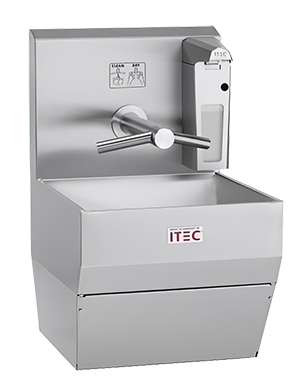
Shawpak are the exclusive distributor in North America for Hygiene Solutions with complete parts and service support.
Product Safety
Our experience in the product inspection industry is essential to the success of our quality assurance program, because we can enhance the safety of your products by detecting contaminants, for the removal, before those products reach your consumers.
Protection and Trust
Protecting your customers, shareholders and brand is your ultimate goal. Ensuring that you have the proper equipment to do the job is ours.
Technical Advisors
Shawpak Systems Technical Advisors will guide you through the best practice options available based on your specific application, acting as your Trusted Advisor.


Boot Drying Rack
A boot drying rack is a stationary or mobile equipment system designed to rapidly dry and store work boots and protective footwear in industrial facilities. Shawpak Systems Ltd supplies and installs these systems across North America, helping food processing plants, manufacturing operations, and pharmaceutical facilities in Oakville and surrounding regions maintain hygiene standards while extending the life of employee footwear.
This guide walks you through the practical steps to evaluate, install, and operate drying equipment that integrates with your facility's hygiene protocol. By the end, you will understand how to select the right system for your operation, position it correctly, train your team, and maintain it for consistent performance.
Step 1: Assess Your Facility's Boot Storage and Drying Needs
Begin by counting the number of employees who wear protective boots during each shift and how frequently boots require drying. Food processing plants in Oakville that operate continuous production lines typically need capacity for 30 to 50 pairs per shift, while smaller assembly operations may require space for 10 to 20 pairs. Document the current state of your footwear: Are boots stored wet? Do they develop odor or mold? Are employees slipping due to damp soles? These operational pain points drive the system capacity you need.
Next, measure the available floor space near employee entry points or locker areas. Most industrial boot drying systems occupy 4 to 8 square feet of footprint, though larger centralized units can reach 12 square feet. Shawpak Systems Ltd conducts on-site facility assessments to evaluate space constraints, electrical capacity, and workflow integration, ensuring your selection matches real operational conditions rather than generic specifications.
Step 2: Compare Drying Technology and Material Options
Industrial drying racks fall into two primary technology categories: forced-air systems and heated rack designs. The table below outlines the key trade-offs between these approaches.
| Feature | Forced-Air System | Heated Rack System |
|---|---|---|
| Drying Time | 45 to 90 minutes for full moisture removal | 2 to 4 hours for gradual, material-safe drying |
| Energy Consumption | Moderate; cycles on demand | Continuous low-level heating; steady baseline load |
| Boot Material Compatibility | Requires temperature regulation; higher risk to leather and composites | Gentle heat; safe for all standard work boot materials |
| Noise Level | Audible air circulation; 70-75 decibels typical | Silent or near-silent operation |
| Maintenance Burden | Filter changes every 3-6 months; air discharge cleaning | Minimal; occasional rack surface cleaning |
Manufacturing plants and meat processing operations in Oakville that handle high-moisture environments-such as facilities with wash-down protocols-typically benefit from forced-air systems because they reduce drying time and support rapid boot turnover. Pharmaceutical and food assembly operations with lower moisture exposure often choose heated racks because they reduce equipment noise and lower long-term maintenance burden. Shawpak Systems Ltd stocks both technologies and helps you match the choice to your facility's production schedule and equipment footprint.
Step 3: Install and Position the Drying Equipment Correctly
Once you have selected your system, identify the final installation location. The optimal placement is near employee entry points, locker rooms, or hygiene stations where boots are naturally removed. Position the equipment away from high-traffic work areas to avoid interference with production flow. If you are using a forced-air system, ensure the discharge vent does not direct hot or humid air toward food handling zones or sensitive equipment. Heated racks require standard electrical connection (typically 110V or 220V depending on capacity), while forced-air units require both power and, in some installations, drainage for condensate.
Shawpak Systems Ltd provides on-site installation and electrical integration for all supplied equipment. Our technical team verifies proper ventilation, confirms electrical safety compliance, and tests the system under operating conditions before handoff. We also coordinate with your facility management to ensure the installation does not disrupt production schedules. Once physically installed, verify that boot placement slots are accessible and that employees can load and unload footwear without strain or confusion about operation.
Step 4: Train Staff and Establish Operating Procedures
Equipment only delivers value if employees use it correctly and consistently. Conduct a brief hands-on training session with all shift supervisors and representative floor staff. Demonstrate the correct placement of boots in the rack-soles outward for maximum air exposure, and spacing to prevent contact between adjacent pairs. Explain the drying cycle duration and what constitutes "dry enough" for safe return to work. Emphasize that boots should be inserted promptly after removal; delayed loading allows moisture to set and extends drying time by 20 to 40 percent.
Create a simple visual guide (printed or laminated) posted near the equipment showing loading procedures and cycle times. Assign one person per shift as the equipment monitor-someone responsible for ensuring boots are removed when dry and for reporting mechanical issues immediately. Shawpak Systems Ltd includes comprehensive training as part of our service delivery and maintains a Centre of Excellence demonstration facility where your team can observe equipment operation and best practices before installation. This proactive approach reduces operator error and accelerates adoption across your workforce.
If you operate facilities in Oakville or serve manufacturing and food processing operations across North America, Shawpak Systems Ltd is ready to evaluate your boot drying and hygiene equipment requirements. Contact us to discuss your facility's specific needs, schedule an on-site assessment, or arrange a demonstration of equipment options that integrate with your existing hygiene protocols and production workflow.
Frequently Asked Questions
How long does it take for boots to dry in a typical industrial system?
Forced-air systems dry boots in 45 to 90 minutes depending on initial moisture content and boot material, while heated racks require 2 to 4 hours for gradual, damage-free drying. Drying time also depends on boot thickness, sole composition, and how saturated the footwear is before insertion. Shawpak Systems Ltd can advise on cycle times based on your specific environment and work boot types.
What is the cost to install a boot drying rack system in Oakville?
Installation costs vary based on equipment type, electrical infrastructure at your facility, and whether modifications to plumbing or ventilation are required. Forced-air systems typically cost less in energy per cycle, while heated racks have lower maintenance overhead. Contact Shawpak Systems Ltd for a facility assessment and transparent pricing tailored to your needs.
Can a boot drying rack be used for other types of footwear or protective equipment?
Industrial drying racks are designed specifically for work boots and protective footwear. They accommodate standard safety boots, rubber boots, and composite-soled shoes. Do not attempt to dry non-footwear items such as gloves, aprons, or cloth items, as they may clog air filters or damage heated elements. Shawpak Systems Ltd recommends using dedicated equipment for non-boot items.
Does Shawpak Systems Ltd provide after-sales support and parts for drying equipment?
Yes. Shawpak Systems Ltd maintains a dedicated parts distribution network across Canada and the USA and provides certified after-sales support including maintenance, repairs, and replacement components. Our technical team also offers on-site training to ensure your staff operates and maintains the equipment correctly.




Products to Suit Your Needs
- Hygiene Equipment
- Product Inspection
- Packaging Equipment
- Training and Demo Facility
- Sealing Equipment
- Custom Conveyors
- Consultant Service
- Direct Drive Technology
- Spare Parts
- Test Samples
Contact US
For general information or to set up an appointment please complete the form below or give us a call.
GENERAL INQUIRIES
Sales (905) 847 0122 EXT 1
Accounting (905) 847 0122 EXT 4