






Welcome To Shawpak Systems Ltd
Established in 1984 Shawpak Systems prides itself on providing high level technical sales and support to our valued customer base. Offering solutions for Product Inspection, Packaging and Hygiene equipment sales and after sales support including certified customer training on site or at our Centre of Excellence training and demonstration facility.
What Our Clients Are Saying
North American Distributor Hygiene Equipment Solutions
Shawpak are the exclusive distributor in North America for Hygiene Solutions with complete parts and service support.
Product Safety
Our experience in the product inspection industry is essential to the success of our quality assurance program, because we can enhance the safety of your products by detecting contaminants, for the removal, before those products reach your consumers.
Protection and Trust
Protecting your customers, shareholders and brand is your ultimate goal. Ensuring that you have the proper equipment to do the job is ours.
Technical Advisors
Shawpak Systems Technical Advisors will guide you through the best practice options available based on your specific application, acting as your Trusted Advisor.


Bottle Packaging Machine
A bottle packaging machine is an automated system that wraps, seals, labels, or bundles bottles for storage and shipment, reducing manual labor and improving consistency across production runs. If your facility in Oakville, across Ontario, or anywhere in North America processes beverages, pharmaceuticals, or other bottled products, selecting and operating the right equipment directly affects your throughput, waste rates, and labor costs. Shawpak Systems Ltd has guided food processing plants, beverage manufacturers, and pharmaceutical operations through this process for decades, and this guide walks you through the essential steps.
Step 1: Assess Your Production Volume and Bottle Specifications
Before any equipment arrives on your production floor, document the exact demands you are trying to meet. Measure the height, diameter, and weight of your bottles, note your target output in units per minute or hour, and determine which packaging method suits your product: shrink wrapping, labeling, case packing, or bundling. Production volume directly determines machine class; a facility running 50 bottles per minute requires fundamentally different equipment than one processing 500 per minute.
Record the material of your bottles as well. Glass, plastic, aluminum, and composite materials behave differently under heat and pressure, and the wrong machine setting damages product or creates waste. Shawpak Systems Ltd advisors work with your team to map these specifications against available equipment options, ensuring you invest in a machine sized to your actual needs rather than over-specifying or under-delivering on capacity.
Step 2: Select the Right Bottle Packaging Machine Configuration
Equipment selection hinges on three variables: packaging method, speed, and integration with your existing line. A shrink wrap system works best for bundling multiple bottles together; a labeling machine applies adhesive or sleeve labels to individual units; case packing systems place bottles into cartons. Speed ranges from semi-automatic (operator-assisted) to fully automatic (minimal intervention). Faster machines cost more upfront but reduce per-unit labor, while slower models suit lower-volume operations with tighter budgets.
Your choice also depends on whether the machine will stand alone or integrate into a larger production line. Standalone equipment accepts manually-fed bottles and discharges packaged units to a staging area. Integrated systems connect to conveyor lines, automatically feeding bottles and moving finished packages downstream. Shawpak Systems Ltd provides technical consultation to match your production layout, volume, and budget to equipment that performs reliably without requiring constant recalibration or operator intervention.
Step 3: Arrange Installation and Utility Connections
Once you have selected equipment, coordinate with Shawpak Systems Ltd to schedule installation at your facility. Bottle packaging machinery requires dedicated electrical power (typically 208V or 480V three-phase, depending on the model), compressed air (for pneumatic controls and ejection mechanisms), and sometimes water or cooling systems. Verify that your building infrastructure supports these demands before equipment arrives; retrofitting electrical panels or air compressor capacity after purchase creates costly downtime.
Your installation team will anchor the machine to your production floor, align it with incoming and outgoing conveyors, and test all utility connections under load. This phase typically takes one to three days for a standalone unit and longer for integrated systems. The machine must be level and stable to avoid vibration-induced errors in wrapping or labeling, and all safety interlocks must be verified before the first production run.
Step 4: Configure Settings and Run a Test Cycle
Packaging machinery operates through settings that control temperature, speed, pressure, and timing. Shrink wrap machines need temperature calibrated to your film and bottle material; too low and seals fail, too high and labels scorch or plastic warps. Labeling systems require tension adjustments so labels adhere cleanly without bunching or peeling. Conveyor speed must synchronize with wrapping or labeling cycles so bottles arrive at the application point on schedule. Shawpak Systems Ltd technicians configure these parameters during commissioning, using sample bottles from your own production to dial in accuracy.
Before running full production, execute test cycles with your actual product. Run 50 to 100 bottles through the machine while operators observe wrapping quality, seal integrity, label alignment, and cycle time. Adjust settings in small increments and inspect output after each change. This methodical approach prevents waste and builds operator confidence before committing to high-speed runs.
Step 5: Train Your Team and Establish Preventive Maintenance
Equipment reliability depends on operator skill and routine maintenance. Shawpak Systems Ltd delivers on-site training to your production staff, covering setup procedures, adjustment of speed and temperature controls, troubleshooting common faults, and safe shutdown protocols. Operators must understand how to change film rolls or label reels, clear jams, and recognize warning signs such as unusual noise or inconsistent output. A trained operator prevents minor problems from escalating into line stoppages.
Establish a preventive maintenance schedule in partnership with Shawpak Systems Ltd. Inspect and clean sealing elements, check conveyor belt tension, lubricate moving parts, and replace wear items such as gaskets or seals at manufacturer-recommended intervals. Facilities that maintain equipment on schedule experience 20-40 percent fewer unplanned shutdowns than those reacting to failures. Parts distribution and after-sales support from Shawpak Systems Ltd ensure you have access to genuine components and expert guidance when you need it.
If you operate a food processing facility, beverage plant, or pharmaceutical operation and need guidance selecting or implementing packaging automation, Shawpak Systems Ltd is ready to help. Our team has worked with manufacturers across North America to streamline their operations through reliable, well-matched equipment and training. Reach out to discuss your requirements and explore how the right packaging solution can improve your output and reduce your costs.
Frequently Asked Questions
What is the difference between shrink wrap and labeling equipment for bottles?
Shrink wrap machines apply heat-shrink film around bottles or bundles, creating a tight, tamper-evident seal ideal for bundling multiple units or protecting labels. Labeling equipment applies paper or film labels to individual bottles using adhesive or sleeve application. Shrink wrapping suits products where bundle presentation matters; labeling suits high-speed individual unit identification. Many operations use both in sequence.
How long does it take to install a bottle packaging machine at my facility in Oakville?
Installation typically takes one to three days for a standalone machine, including delivery, utility connection, floor anchoring, and initial testing. Integrated systems that connect to existing conveyor lines may require four to seven days depending on the complexity of your production layout. Shawpak Systems Ltd coordinates scheduling to minimize disruption to your operations.
What utilities does a packaging machine need?
Most machines require three-phase electrical power (208V or 480V), compressed air at 80-100 PSI for pneumatic controls, and sometimes water or cooling systems for temperature control. Verify your facility can supply these before purchase. Electrical panel upgrades or air compressor expansion may be necessary if your current infrastructure is undersized.
Can I integrate a new bottle packaging machine with my existing conveyor line?
Yes. Integrated systems accept bottles from an upstream conveyor and discharge packaged units downstream, eliminating manual handling. This requires careful alignment and speed synchronization during installation. Shawpak Systems Ltd designs integration layouts tailored to your production flow and floor space constraints.
How do I know what speed setting my packaging machine should run at?
Speed is determined by your production target (bottles per minute), bottle size and material, and the complexity of the packaging method. Smaller or more complex applications run slower; larger, simpler runs go faster. Start at conservative speeds during setup and increase gradually while monitoring output quality. Your Shawpak Systems Ltd technician will recommend a starting point based on your specifications.
What maintenance does a bottle packaging machine require?
Clean sealing elements and conveyors weekly, check belt tension and lubrication monthly, and replace wear items such as gaskets or drive belts annually or per manufacturer guidance. Preventive maintenance prevents 70-80 percent of unexpected failures. Shawpak Systems Ltd provides parts and support to keep your equipment running reliably.
Does Shawpak Systems Ltd offer training on how to operate packaging equipment?
Yes. Shawpak Systems Ltd delivers on-site training covering machine setup, operation, adjustment, troubleshooting, and safe shutdown. Your team learns to handle routine tasks such as changing film reels or labels, recognize warning signs, and maintain the equipment. Training ensures operators build confidence and reduce downtime.


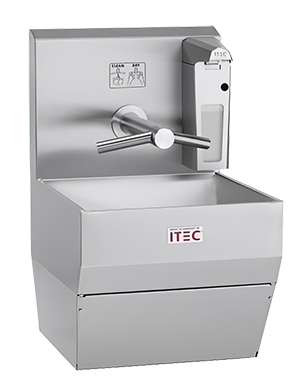
Products to Suit Your Needs
- Hygiene Equipment
- Product Inspection
- Packaging Equipment
- Training and Demo Facility
- Sealing Equipment
- Custom Conveyors
- Consultant Service
- Direct Drive Technology
- Spare Parts
- Test Samples
Contact US
For general information or to set up an appointment please complete the form below or give us a call.
GENERAL INQUIRIES
Sales (905) 847 0122 EXT 1
Accounting (905) 847 0122 EXT 4