






Welcome To Shawpak Systems Ltd
Established in 1984 Shawpak Systems prides itself on providing high level technical sales and support to our valued customer base. Offering solutions for Product Inspection, Packaging and Hygiene equipment sales and after sales support including certified customer training on site or at our Centre of Excellence training and demonstration facility.
What Our Clients Are Saying
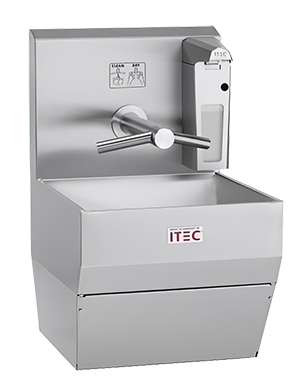
North American Distributor Hygiene Equipment Solutions
Shawpak are the exclusive distributor in North America for Hygiene Solutions with complete parts and service support.
Product Safety
Our experience in the product inspection industry is essential to the success of our quality assurance program, because we can enhance the safety of your products by detecting contaminants, for the removal, before those products reach your consumers.
Protection and Trust
Protecting your customers, shareholders and brand is your ultimate goal. Ensuring that you have the proper equipment to do the job is ours.
Technical Advisors
Shawpak Systems Technical Advisors will guide you through the best practice options available based on your specific application, acting as your Trusted Advisor.


Carton Packaging Machine
A carton packaging machine is an automated system that folds, forms, fills, and seals cardboard boxes at production speed, designed to handle high-volume packaging operations across food processing, manufacturing, and pharmaceutical environments.
Shawpak Systems Ltd, based in Oakville, Ontario, supplies and distributes carton packaging equipment to manufacturing facilities and food processing operations throughout North America. This guide walks you through the essential steps to set up, configure, and operate this machinery effectively, reducing setup time and minimizing production errors. By following these procedures, your team will achieve consistent box formation, reliable sealing, and faster throughput while protecting product integrity.
The goal of this guide is to provide plant managers, operations directors, and maintenance supervisors with clear, actionable steps that translate to reliable daily operation. Whether you are installing equipment for the first time or training new operators in Oakville or across Canada and the USA, these steps apply to standard carton machinery configurations.
1. Inspect Equipment and Verify Specifications Before Operation
Before powering on any carton packaging system, conduct a complete physical inspection. Verify that all structural components are in place, fasteners are tight, and no visible damage exists to the box forming dies, sealing plates, or conveyor sections. Check the equipment manual against the actual unit to confirm you have the correct model, and note any serial numbers or control panel identifiers. This baseline check prevents costly downtime caused by missing parts or misalignment discovered mid-production.
Shawpak Systems Ltd provides technical advisory services to help your facility select the right equipment specifications for your carton size, material thickness, and production speed requirements. During installation, their certified technicians verify that dimensions match your target boxes and that all electrical and pneumatic connections are properly seated. Ask your supplier or internal maintenance team to document the inspection checklist and keep it on file for future reference.
2. Load Carton Blanks and Adjust the Machine for Your Box Specifications
Carton blanks must be loaded into the hopper or feed deck with the print facing the correct direction, and the stack must be aligned to the corner guides so that sheets feed straight through the forming station without jamming. Most machines have adjustable side guides and front stops; these should be set so the blank sits centered and does not shift during the feed cycle. Consult your equipment manual for the exact adjustment points, and use a test blank to confirm proper registration before starting production at full speed.
Next, adjust the forming dies and sealing stations to match your carton dimensions. This involves setting the width guides, length stops, and fold plate positions. Because these adjustments are machine-specific and affect both box quality and throughput, Shawpak Systems Ltd offers on-site training at their Centre of Excellence demonstration facility in Oakville, where operators practice setups on functioning equipment before returning to their own plants. Improper adjustment is one of the most common sources of defects and jams, so take time to confirm each setting and run at least five test cycles before full production.
3. Calibrate Speed, Air Pressure, and Heat Settings for Reliable Sealing
Carton packaging machines operate at variable speeds measured in boxes per minute, typically ranging from 40 to 200 units depending on the system and your carton size. Start at the lowest safe speed and increase incrementally, watching for jams, misfeeds, or seal defects. Most systems include pneumatic cylinders that control folding, forming, and ejection; air pressure is usually set between 80 and 100 PSI but must be verified against your machine's specifications. Inadequate air pressure results in incomplete folds; excessive pressure can damage the carton or cause wear on seals.
If your machine includes hot-melt or tape-sealing capability, the heat or adhesive settings require tuning to match your carton material. Too little heat or adhesive produces weak, leaking seams; too much causes wrinkled or scorched cardboard. After each setting adjustment, monitor 10 to 15 boxes for seal integrity and dimensional consistency. During initial commissioning, Shawpak Systems Ltd technicians can validate these settings and train your team on the specific control panel interface so adjustments become routine for your operators across Canada and the USA.
4. Test the Infeed Conveyor and Product Positioning System
The infeed conveyor must deliver products to the open carton at the precise moment the box is ready to receive them. If your machine includes automatic product insertion, confirm that the position sensor detects the carton correctly and that the product pusher or diverter activates at the right time. Run empty carton cycles first to ensure the formation and timing work smoothly, then introduce test products without the filling hopper active so you can observe insertion accuracy.
Improper timing between carton formation and product insertion causes spillage, misalignment, and jams. Most machines have adjustable timing delays on the control panel; refer to your manual or contact your equipment supplier to find these settings. Shawpak Systems Ltd provides comprehensive after-sales support and can dispatch certified technicians to diagnose timing issues, adjust conveyor speed, or reprogram position sensors if your setup requires it.
5. Set Up the Flap Folding and Sealing Sequence
Once the carton is filled and positioned, the top flaps must fold and seal in sequence. Most systems fold the shorter flaps first, then the longer flaps, with optional tape or adhesive applied to create a secure seal. Check that the fold bars are positioned so they contact the flap at the hinge line, not the print area, and that the timing allows one flap to seat fully before the next begins folding. If sealing involves tape dispensers, confirm that tape is loaded, properly tensioned, and advancing correctly for each cycle.
Run a series of test cycles and inspect the sealed edges for wrinkles, incomplete coverage, or tape misalignment. The flap seal is your primary defense against product damage and contamination during storage and transport, so this step directly affects your facility's reputation and customer satisfaction. Many food processing and pharmaceutical operations in Oakville and across North America rely on this stage to meet hygiene and compliance requirements, making proper setup non-negotiable.
6. Validate Quality Checkpoints and Troubleshoot Common Issues
After setup, establish a quality inspection routine. Every 30 to 50 boxes, remove a sample and visually check the fold lines, seal integrity, product positioning, and flap closure. Measure carton dimensions with a caliper or ruler to confirm they match specifications, and test the seal strength by attempting to peel the tape or adhesive. Document your findings on a simple log sheet so patterns become visible if defects increase during a shift.
Common issues include misfeeds (blanks not advancing cleanly), incomplete folds (flaps not sealing properly), and timing delays (products not aligning with the carton). Misfeeds often result from worn corner guides or incorrect blank stacking; incomplete folds usually indicate insufficient air pressure or worn fold bars; timing delays suggest sensor misalignment or control panel drift. Shawpak Systems Ltd supplies parts distribution for most equipment types and provides certified after-sales support across Canada and the USA, so contact your supplier if standard adjustments do not resolve persistent problems.
The comparison table below outlines typical carton machine configurations and their suitability for different production environments:
| Machine Type | Speed Range | Carton Size Flexibility | Sealing Method | Best For |
|---|---|---|---|---|
| Straight-Line Former | 40-80 boxes/min | Moderate (requires changeover) | Hot-melt or tape | Single-product lines with consistent volumes |
| Intermittent Motion Former | 60-150 boxes/min | Good (dial or modular tooling) | Tape or case sealer | Food and pharmaceutical with variable SKUs |
| Continuous Motion Former | 120-200+ boxes/min | Limited (high-speed runs) | Hot-melt adhesive | Large-scale production with narrow carton range |
Operating a carton packaging system successfully depends on methodical setup, careful calibration, and disciplined quality monitoring. Shawpak Systems Ltd has supported manufacturing and food processing facilities throughout Oakville, Ontario and across North America for decades, offering not only equipment supply but also technical expertise, on-site training, and certified after-sales support. If your team needs guidance during installation, operator training, or troubleshooting, or if you are evaluating packaging equipment options for your facility, contact Shawpak Systems Ltd to discuss your specific requirements and production goals.
Frequently Asked Questions
What is the typical speed range for a carton packaging machine?
Most carton packaging machines operate between 40 and 200 boxes per minute, depending on machine type and carton size. Straight-line formers typically run 40 to 80 boxes per minute, intermittent systems 60 to 150, and continuous machines 120 to 200 or more. Your actual speed depends on how quickly the machine can form, fill, fold, and seal without jamming or quality defects.
How often should carton packaging equipment be serviced?
Routine maintenance should occur daily or before each shift, including inspection of forming dies, sealing plates, and conveyor belts for debris or wear. Major service intervals typically occur every 6 to 12 months, depending on production volume and machine design. Shawpak Systems Ltd provides parts distribution and after-sales support to keep your equipment running smoothly across Canada and the USA.
What does it cost to set up a carton packaging machine in Oakville?
Setup costs vary based on your equipment model, carton specifications, and whether you require on-site technician support. Shawpak Systems Ltd offers technical advisory services and on-site training at their Centre of Excellence demonstration facility in Oakville to help you understand setup requirements for your specific operation. Contact them directly for an assessment of your facility's needs.
What causes incomplete carton seals and how do I fix it?
Incomplete seals usually result from insufficient air pressure, worn fold bars, or misaligned sealing plates. Check that pneumatic pressure is set to your machine's specification (typically 80-100 PSI), inspect fold bars for wear, and verify that sealing plates contact the flap cleanly. If adjustments do not resolve the issue, Shawpak Systems Ltd can dispatch certified technicians to diagnose and repair the sealing mechanism.
Can a carton packaging machine handle different box sizes?
Yes, but the ease of changeover depends on machine design. Intermittent motion formers with dial or modular tooling can switch between sizes relatively quickly, while continuous machines are optimized for high-volume single-size runs. Shawpak Systems Ltd provides equipment selection consultation to help you choose a machine that matches your product mix and changeover frequency.
What training do operators need to run a carton packaging machine?
Operators should understand the setup process, control panel operation, common troubleshooting steps, and basic quality inspection. Shawpak Systems Ltd offers comprehensive on-site training at their Centre of Excellence facility in Oakville, where your team learns on functioning equipment before returning to your own production environment, ensuring confidence and consistency.







Products to Suit Your Needs
- Hygiene Equipment
- Product Inspection
- Packaging Equipment
- Training and Demo Facility
- Sealing Equipment
- Custom Conveyors
- Consultant Service
- Direct Drive Technology
- Spare Parts
- Test Samples
Contact US
For general information or to set up an appointment please complete the form below or give us a call.
GENERAL INQUIRIES
Sales (905) 847 0122 EXT 1
Accounting (905) 847 0122 EXT 4