






Welcome To Shawpak Systems Ltd
Established in 1984 Shawpak Systems prides itself on providing high level technical sales and support to our valued customer base. Offering solutions for Product Inspection, Packaging and Hygiene equipment sales and after sales support including certified customer training on site or at our Centre of Excellence training and demonstration facility.
What Our Clients Are Saying
North American Distributor Hygiene Equipment Solutions
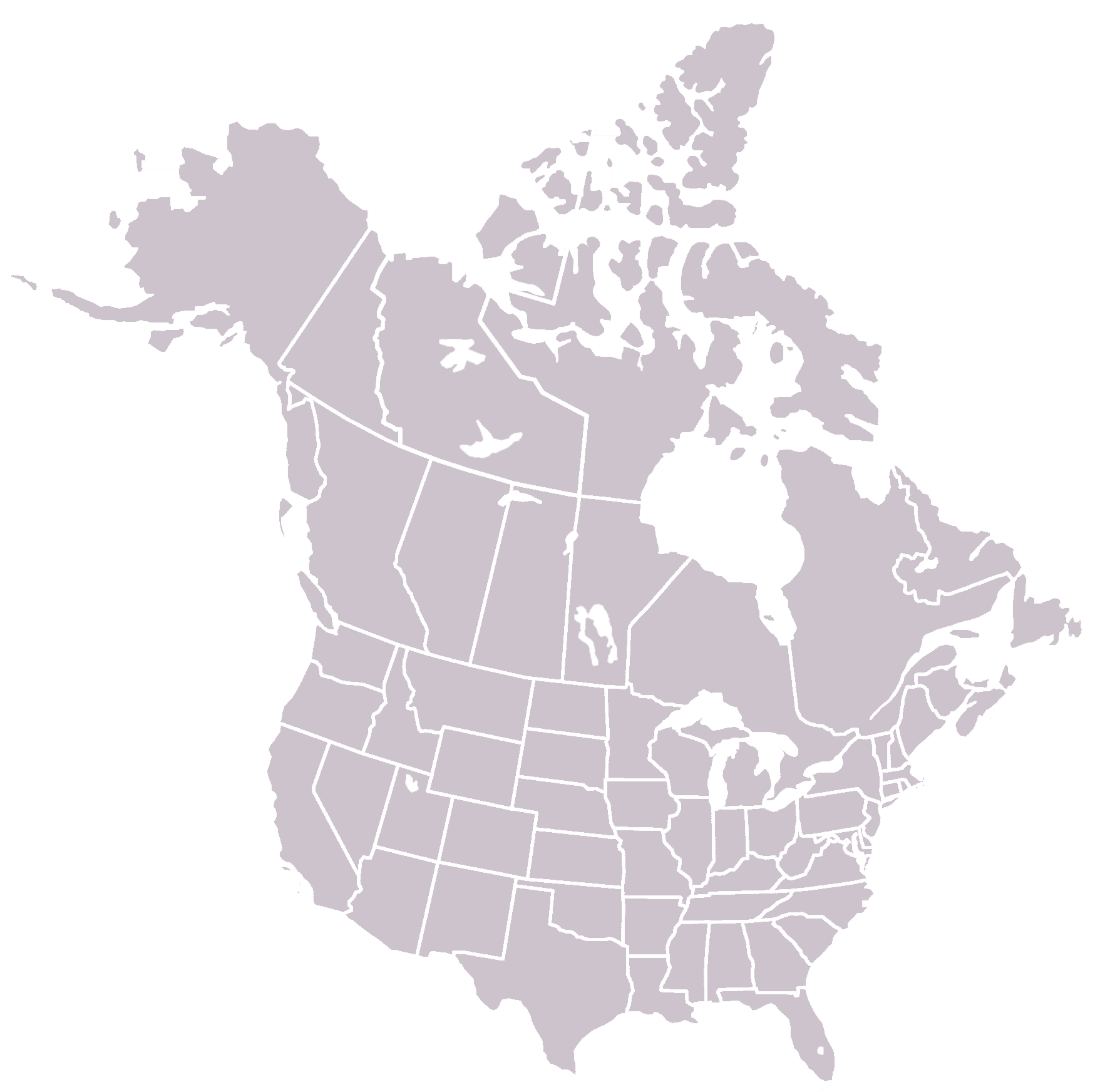
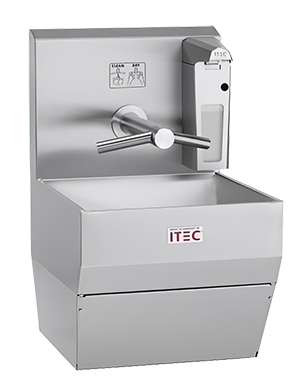
Shawpak are the exclusive distributor in North America for Hygiene Solutions with complete parts and service support.
Product Safety
Our experience in the product inspection industry is essential to the success of our quality assurance program, because we can enhance the safety of your products by detecting contaminants, for the removal, before those products reach your consumers.
Protection and Trust
Protecting your customers, shareholders and brand is your ultimate goal. Ensuring that you have the proper equipment to do the job is ours.
Technical Advisors
Shawpak Systems Technical Advisors will guide you through the best practice options available based on your specific application, acting as your Trusted Advisor.

Commercial Sole Cleaning
Commercial sole cleaning is the systematic removal of contamination from worker footwear at facility entry points, a critical control measure in food processing, pharmaceutical, and meat processing operations. Shawpak Systems Ltd supplies and installs industrial boot cleaning equipment across North America, helping facilities in Oakville and beyond meet hygiene standards while protecting product integrity and worker safety.
Why Sole Cleaning Matters in Food and Manufacturing
Footwear carries bacteria, pathogens, and foreign material from outdoor environments directly into controlled production areas. In food processing facilities, a single contaminated shoe sole can introduce Listeria, E. coli, or Salmonella into the manufacturing environment. In pharmaceutical plants, foot traffic introduces particulates that compromise cleanroom conditions. Because workers move between production zones throughout their shift, the soles of shoes become a primary vector for cross-contamination.
Regulatory frameworks including FSMA (Food Safety Modernization Act) and HACCP protocols require documented hygiene controls at facility entry. A documented boot cleaning regimen demonstrates due diligence during audits and reduces liability if contamination events occur. For meat processing operations in particular, sole cleaning is not optional-it is a baseline expectation of health authority inspections.
Facilities that implement automated sole cleaning systems report measurable reductions in environmental swab failures and product recall incidents, directly protecting brand reputation and bottom-line profitability.
Manual Versus Automated Boot Cleaning Systems
Two approaches exist: manual boot scraping stations and automated industrial boot cleaner systems. Manual stations-brushes, boot scrapers, or footbaths-rely on worker compliance and are inconsistent. Workers rushing through shift changes often skip steps or use them improperly, leaving contamination unaddressed. They also require daily maintenance, chemical management, and floor cleanup.
Automated industrial boot cleaners eliminate user error. Workers step onto a platform; rotating brushes, air jets, or spray systems remove sole contamination in seconds. The system operates the same way every time, creates an audit trail through usage logs, and requires minimal staff oversight. Because cleaning occurs at the threshold before workers enter production zones, contamination never reaches critical areas.
Shawpak Systems installs both entry-level and high-volume systems suited to facility traffic patterns. A small pharmaceutical operation may need a compact unit at one access point; a large meat processing facility may require multiple stations at different entry corridors. The choice depends on throughput, contamination risk, available space, and budget.
Integration with Broader Hygiene Programs
Sole cleaning does not exist in isolation. Facilities approaching hygiene comprehensively pair boot cleaning with hand sanitization systems, body suit dispensers, and surface disinfection protocols. Shawpak Systems provides technical advisory services to map facility workflows and recommend integrated hygiene solutions that address entry points, high-touch zones, and production equipment contact surfaces.
A plant manager in Oakville may discover, during consultation, that boot cleaning at the main entrance is strong, but secondary doors used by maintenance staff bypass the system entirely. A thorough assessment identifies gaps and ensures the hygiene program is defensible end-to-end. This is where technical expertise matters: generic equipment lists miss the operational realities of how your specific facility moves people and materials.
Implementation and Training
Installing equipment is straightforward; embedding it into daily operations requires planning. Shawpak Systems provides on-site training to ensure staff understand how to use and maintain the equipment correctly. This includes operator training, cleaning protocols, and maintenance schedules. A Centre of Excellence demonstration facility allows operations directors and plant managers to see equipment in action before purchase, reducing uncertainty and ensuring the solution fits your workflow.
After installation, certified after-sales support across Canada and the USA ensures the system remains reliable. This includes parts distribution, troubleshooting, and periodic performance reviews. Because hygiene equipment directly affects regulatory compliance and product safety, downtime is not acceptable. Shawpak Systems prioritizes rapid response and equipment uptime as core commitments.
Practical Recommendations for Your Facility
- Map all entry points where workers access production zones. Do not assume the main entrance is the only path-secondary doors, loading areas, and emergency exits all require attention.
- Assess current footwear contamination risks by reviewing environmental swab data and product recall history. High-risk facilities justify more sophisticated cleaning systems.
- Evaluate throughput requirements. A facility with 200 employees changing shoes at shift start needs equipment that processes that volume without bottlenecks.
- Request a demonstration before committing. Seeing equipment operate in a real-world context reveals maintenance demands and space requirements you may not anticipate from product specifications alone.
- Plan for staff turnover. New employees will not remember manual protocols. Automated systems remain consistent regardless of who operates them.
- Establish clear maintenance schedules and assign accountability. Dirty brushes or clogged spray nozzles defeat the purpose of the system.
Shawpak Systems Ltd has served manufacturing and food processing facilities since 1984, bringing decades of experience in hygiene solutions and equipment integration. If your facility is ready to move beyond manual foot traffic control to documented, automated sole cleaning, contact Shawpak Systems to discuss your specific operational needs and explore solutions tailored to your plant's layout and production environment.
Frequently Asked Questions
What is commercial sole cleaning and why do food processing facilities need it?
Commercial sole cleaning is the systematic removal of contamination from worker footwear at facility entry points. Food processing facilities need it because shoe soles carry bacteria like Listeria and E. coli from outdoor environments into production areas, where they compromise product safety and trigger regulatory findings during audits.
How often should boot cleaning equipment be cleaned and maintained?
Maintenance frequency depends on the equipment type and facility throughput. Most automated systems require daily brush cleaning or replacement, weekly nozzle inspection, and monthly chemical replenishment. Shawpak Systems provides maintenance schedules as part of their on-site training and after-sales support.
Can commercial sole cleaning systems be installed in existing facilities in Oakville?
Yes. Shawpak Systems offers technical advisory consultation to assess your current entry points and facility layout, then recommends systems that fit available space and integrate with existing workflows. Their Centre of Excellence demonstration facility allows you to evaluate options before installation.
What is the difference between manual boot scrapers and automated boot cleaning machines?
Manual stations rely on worker compliance, which is inconsistent and difficult to audit. Automated systems clean every shoe the same way, eliminate human error, create usage logs for compliance documentation, and require minimal maintenance oversight, making them far more reliable for regulated environments.
Does commercial sole cleaning replace other hygiene measures?
No. Sole cleaning is one component of a comprehensive hygiene program. Facilities should pair it with hand sanitization systems, surface disinfection, and body suit protocols. Shawpak Systems provides technical advisory services to integrate multiple hygiene solutions into a cohesive plan.
What training do staff need to use automated boot cleaning equipment?
Staff need basic training on how to step onto the platform correctly, how to verify cleaning is complete, and how to report malfunctions. Shawpak Systems provides on-site training and written protocols to ensure consistent use and assigns maintenance accountability to specific team members.
Does Shawpak Systems provide after-sales support for boot cleaning equipment?
Yes. Shawpak Systems offers certified after-sales support across Canada and the USA, including parts distribution, troubleshooting, maintenance schedules, and equipment performance reviews to ensure your system remains reliable and compliant.

Products to Suit Your Needs
- Hygiene Equipment
- Product Inspection
- Packaging Equipment
- Training and Demo Facility
- Sealing Equipment
- Custom Conveyors
- Consultant Service
- Direct Drive Technology
- Spare Parts
- Test Samples
Contact US
For general information or to set up an appointment please complete the form below or give us a call.
GENERAL INQUIRIES
Sales (905) 847 0122 EXT 1
Accounting (905) 847 0122 EXT 4