






Welcome To Shawpak Systems Ltd
Established in 1984 Shawpak Systems prides itself on providing high level technical sales and support to our valued customer base. Offering solutions for Product Inspection, Packaging and Hygiene equipment sales and after sales support including certified customer training on site or at our Centre of Excellence training and demonstration facility.
What Our Clients Are Saying
North American Distributor Hygiene Equipment Solutions
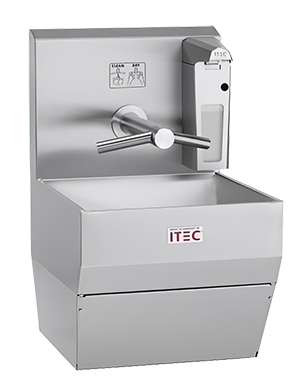
Shawpak are the exclusive distributor in North America for Hygiene Solutions with complete parts and service support.
Product Safety
Our experience in the product inspection industry is essential to the success of our quality assurance program, because we can enhance the safety of your products by detecting contaminants, for the removal, before those products reach your consumers.
Protection and Trust
Protecting your customers, shareholders and brand is your ultimate goal. Ensuring that you have the proper equipment to do the job is ours.
Technical Advisors
Shawpak Systems Technical Advisors will guide you through the best practice options available based on your specific application, acting as your Trusted Advisor.


Doypack Packaging Machine
A Doypack Packaging Machine is an automated system that forms, fills, and seals flexible pouch packages-the kind you see in retail for coffee, snacks, powders, and liquids. If you run a food processing facility, pharmaceutical operation, or manufacturing plant in Oakville or across North America, you know the pressure to move product quickly without sacrificing seal integrity or contamination risk. That's where understanding your equipment becomes non-negotiable. Shawpak Systems Ltd has spent decades helping facilities in Oakville and throughout Canada master these machines, and this guide walks you through the essentials so your team operates confidently and efficiently.
Step 1: Prepare Your Material and Film Stock
Before the machine runs, verify that your film roll is the correct width and specification for your product. Check the roll for any creases, tears, or contamination-a single flaw in the film can cause sealing failures across dozens of units. Ensure the film is wound tightly and that the leading edge is straight; a crooked start leads to misalignment and waste. Mount the roll on the unwind station, thread the film through the guide rollers, and confirm it tracks straight through the forming tube without binding or skewing.
Inspect the condition of all contact surfaces: the forming tube, sealing bars, and guides should be clean and free of old adhesive or product residue. Even microscopic buildup can prevent proper seal formation and contaminate your next batch. Shawpak Systems Ltd technicians recommend a thorough cleaning protocol before switching between product types or at the start of each shift. If your facility processes proteins, dairy, or sticky compounds, dedicate extra attention to the forming tube interior and sealing jaw faces.
Step 2: Load and Calibrate the Filler System
Position your product hopper or supply line so it feeds consistently into the filler. For volumetric fillers, set the target fill weight or volume according to your product specification and regulatory requirements-typically within a tolerance of plus or minus 1 to 2 percent. Check that nozzles or augers are clean and functioning without blockage; a restricted filler causes uneven deposits and incomplete pouches. Run a test batch of five to ten pouches without sealing and weigh each one to confirm accuracy before running full production.
For liquid or paste products, verify that the filler nozzle height allows product to drop into the pouch without splashing onto the sealing area. Any residue above the heat seal zone will weaken the bond and create leakers. If your product is temperature-sensitive-dairy, certain sauces, or heat-sensitive powders-confirm that the filler maintains the correct temperature and that the pouch does not sit exposed to heat for more than a few seconds before sealing begins. Shawpak Systems Ltd's on-site training covers product-specific filler adjustments so your Oakville-area team avoids common mistakes.
Step 3: Set Sealing Temperature and Pressure
Heat seal temperature is the most critical control. Too low, and the film will not bond; too high, and you risk degrading the film, scorching the pouch, or creating brittleness that causes future leaks. Start with the manufacturer's recommended temperature setting and run a test seal on a sample piece of your film with product inside. The seal should peel open only with deliberate force; if it separates easily by hand, the temperature is too low. If the film becomes translucent, darkened, or brittle at the seal line, temperature is excessive.
Adjust sealing pressure-the force pressing the two heating bars together-so the seal is firm but not so hard that it crushes the pouch or deforms the sidewalls. A well-formed seal is visible as a clean, consistent band across the top of the pouch with no wrinkles, voids, or leakage. Allow the machine to reach thermal equilibrium (typically 5 to 15 minutes of idle run) before beginning full production. Many facilities in Oakville and across Canada benefit from logging these settings by product type so operators can quickly return to proven parameters without guesswork.
Step 4: Run Test Pouches and Inspect Quality
Produce five to ten pouches at your target speed and stop to inspect each one. Check seal integrity by attempting to separate the top seal manually-it should require meaningful force. Look for any leakage, especially from the bottom gusset seal if you are using gusseted pouches. Verify fill weight, pouch shape, and label or print alignment if your pouches are pre-printed. Weigh at least three pouches to confirm your filler is accurate; a five-unit variance often signals that your filler needs adjustment before you commit to a large run.
Examine the side seals where the two edges of the film join if you are running a form-fill-seal system. These seals should be straight, consistent, and free of wrinkles or pinholes. If you notice any inconsistency-a weak side seal, uneven filling, or a seal that opens too easily-stop the machine and correct the problem before continuing. Small adjustments at this stage prevent thousands of units of scrap. Shawpak Systems Ltd's Centre of Excellence demonstration facility in Oakville provides hands-on training so your team learns to recognize and correct these issues in real time.
Step 5: Establish Your Production Speed and Rhythm
Once test pouches pass inspection, gradually increase your line speed to your target rate. Most facilities operate between 20 and 80 pouches per minute depending on pouch size, product type, and equipment model. Start at 50 percent speed and allow the machine to cycle through 20 to 30 pouches, then stop and inspect. If quality remains consistent, increase speed incrementally. Speed changes affect both fill accuracy and seal quality; operators in Oakville manufacturing plants often discover their optimal speed is 10 to 15 percent below the machine's rated maximum because at-speed quality is more valuable than volume alone.
Monitor the machine continuously during the first hour of production. Listen for unusual sounds that might indicate mechanical strain. Watch for any film tracking drift-if the film begins to pull toward one side, stop and recenter it before the machine jams. Confirm that product is depositing in the center of each pouch and that pouches are exiting cleanly into your collection tray or conveyor. If you are running a 12-hour or overnight shift, assign a trained operator to check quality at least every 30 to 60 minutes because temperature drift, film variations, and mechanical wear can degrade seal quality over time.
Step 6: Troubleshoot Common Issues and Adjust
Weak seals often stem from insufficient temperature or dirty sealing bars. If you detect leakers, increase temperature by 5 to 10 degrees Fahrenheit and run another test batch. If the problem persists, remove the sealing jaws and clean them thoroughly with a soft cloth and light solvent; old product residue acts as an insulator and prevents heat transfer. Incomplete fills usually mean your filler is underrunning or your filler nozzle is clogged. Inspect and clear the nozzle, then verify your fill setting with a weigh check.
Film wrinkles in the seal or sidewalls typically indicate misalignment in the forming tube or guides. Check that your film is threading straight and that guide rollers are parallel. If wrinkles appear on only one side, loosen and reposition the guide on that side slightly. Pouches that are off-center suggest the film is drifting during the form stage; check for tape or buildup on the forming tube and ensure the tube is perfectly round. Many common problems can be solved by your facility's maintenance team, but Shawpak Systems Ltd provides certified technical support across Canada and the USA if you need expert diagnosis or parts replacement.
When you are ready to optimize your packaging line or need hands-on training for your team, Shawpak Systems Ltd is here to help. Since 1984, we have been the trusted partner for facilities across North America seeking equipment that works and the expertise to keep it working. Contact us to discuss your packaging challenges and discover how our advisory service, demonstration facility, and after-sales support can transform your operation.
Frequently Asked Questions
What is the typical speed range for doypack machines in industrial facilities?
Most industrial doypack machines operate between 20 and 80 pouches per minute, depending on pouch size, product type, and equipment model. Your actual production speed may be 10 to 15 percent below the machine's rated maximum because consistent seal quality and fill accuracy matter more than raw volume. Shawpak Systems Ltd helps facilities find their optimal speed during the training and setup process.
How often should sealing bars be cleaned in an Oakville food processing facility?
Sealing bars should be inspected and cleaned at the start of each shift and whenever you switch between product types. Residue builds up over time and prevents proper heat transfer, weakening seals and creating leakers. If you process sticky products like sauces or proteins, daily cleaning is standard practice to maintain consistent seal integrity.
What causes weak seals on doypack machines and how do you fix them?
Weak seals are usually caused by insufficient sealing temperature, dirty sealing bars, or misalignment of the film. Start by increasing temperature 5 to 10 degrees Fahrenheit and running test pouches. If the problem persists, clean the sealing jaws with a soft cloth and light solvent to remove product buildup. If neither step works, check film alignment and the condition of the forming tube. Shawpak Systems Ltd technicians can diagnose complex seal failures on-site.




Products to Suit Your Needs
- Hygiene Equipment
- Product Inspection
- Packaging Equipment
- Training and Demo Facility
- Sealing Equipment
- Custom Conveyors
- Consultant Service
- Direct Drive Technology
- Spare Parts
- Test Samples
Contact US
For general information or to set up an appointment please complete the form below or give us a call.
GENERAL INQUIRIES
Sales (905) 847 0122 EXT 1
Accounting (905) 847 0122 EXT 4