






Welcome To Shawpak Systems Ltd
Established in 1984 Shawpak Systems prides itself on providing high level technical sales and support to our valued customer base. Offering solutions for Product Inspection, Packaging and Hygiene equipment sales and after sales support including certified customer training on site or at our Centre of Excellence training and demonstration facility.
What Our Clients Are Saying
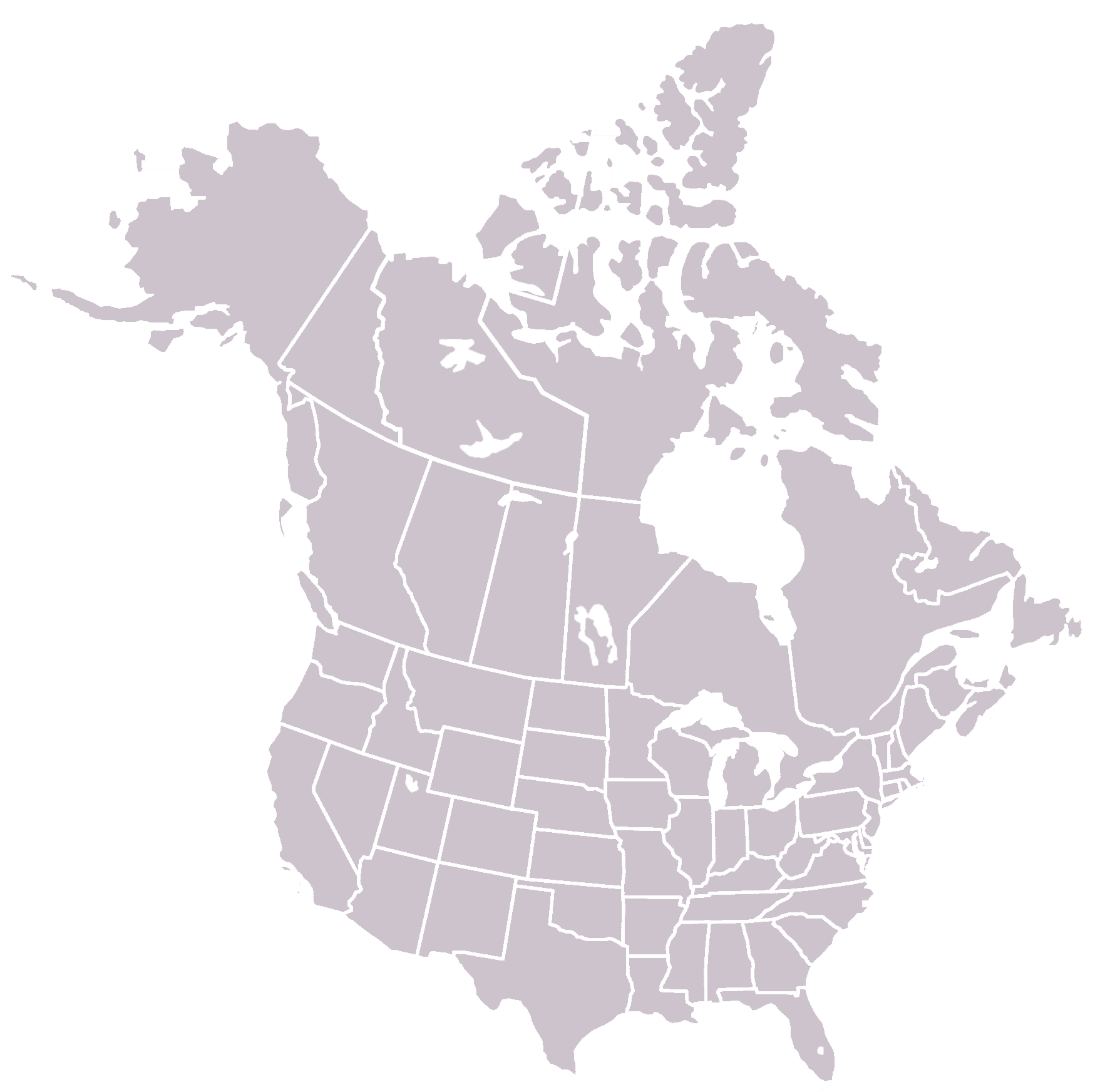
North American Distributor Hygiene Equipment Solutions
Shawpak are the exclusive distributor in North America for Hygiene Solutions with complete parts and service support.
Product Safety
Our experience in the product inspection industry is essential to the success of our quality assurance program, because we can enhance the safety of your products by detecting contaminants, for the removal, before those products reach your consumers.
Protection and Trust
Protecting your customers, shareholders and brand is your ultimate goal. Ensuring that you have the proper equipment to do the job is ours.
Technical Advisors
Shawpak Systems Technical Advisors will guide you through the best practice options available based on your specific application, acting as your Trusted Advisor.

Entry Control Sanitizers
An entry control sanitizer is a fixed or mobile system installed at facility access points to reduce microbial contamination on personnel, footwear, and equipment before entry into controlled production or food handling areas. Shawpak Systems Ltd supplies and installs these systems across North America, serving food processing plants, meat operations, pharmaceutical manufacturers, and industrial facilities in Oakville and throughout Canada and the USA where contamination prevention directly impacts product safety and regulatory compliance.
Facilities operating under stringent hygiene protocols-particularly those subject to HACCP frameworks, FSMA requirements, or internal quality standards-deploy these systems to create verifiable contamination barriers. The investment addresses a measurable risk: soiled footwear and hands represent primary vectors for pathogenic bacteria, allergens, and foreign material. Because entry control systems reduce cross-contamination, they lower recall risk, improve production efficiency, and demonstrate due diligence during regulatory inspection.
Shawpak Systems Ltd draws on experience distributing and supporting these installations across diverse facility types, offering technical advisory services to help operations directors and plant managers select systems matched to their specific workflow, traffic volume, and hygiene classification levels.
System Types and Deployment Methodology
Entry control sanitization operates across three primary modalities: chemical immersion, automated spray application, and mechanical action with disinfectant residue. The choice depends on traffic flow, contamination severity classification, and personnel acceptance.
Chemical immersion systems-typically boot cleaning stations-require personnel to step into a shallow reservoir containing approved antimicrobial solution (usually quaternary ammonium compounds or chlorine-based formulations). Boot sole contact time ranges from 3 to 10 seconds. These systems work for moderate traffic but present slip hazard liability and require frequent solution replacement, making them cost-intensive in high-traffic environments. They excel in meat processing and poultry facilities where visible contamination is routine.
Automated spray systems use motion sensors or floor plates to trigger nozzles that apply sanitizing fog or liquid to footwear and lower leg surfaces. Typical spray duration is 2 to 5 seconds with dwell time of 10 to 15 seconds before personnel proceed. These installations reduce operator burden and maintain consistent chemical dosing. They integrate well with card reader turnstile systems for access logging and can track sanitization events electronically, creating compliance documentation. Shawpak Systems Ltd routinely advises on spray system placement to minimize chemical overspray onto adjacent flooring and equipment.
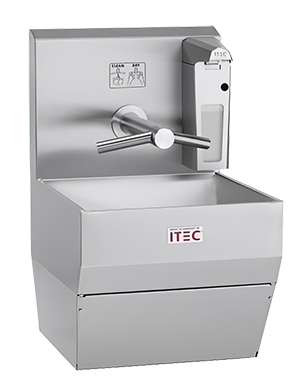
Hand sanitization systems positioned at checkpoints complement footwear controls. These may be wall-mounted dispensers (alcohol-based or foam formulations), automated touch-free systems, or integrated sink stations with foot-pedal operation. Pharmaceutical and food facilities often mandate both hand and footwear sanitization in sequence before gowned personnel enter clean zones.
Selection Criteria and Integration with Facility Layout
Selecting appropriate equipment requires matching system capacity to peak traffic demand and hygiene zone classification. A facility averaging 20 personnel entries per shift can operate with manual immersion stations; one processing 200 shifts daily across multiple lines needs automated spray systems with redundancy and alternative pathways to prevent production bottlenecks.
Chemical selection follows antimicrobial efficacy standards and material compatibility. Chlorine-based solutions (500-5,000 ppm) work rapidly on gram-negative and gram-positive bacteria but corrode stainless steel over time and present respiratory irritation risk. Quaternary ammonium formulations offer broader spectrum action, lower volatility, and reduced corrosion-making them standard in food processing operations in Oakville and across North American facilities Shawpak Systems Ltd serves. Alcohol-based hand sanitizers (60-80% ethanol or isopropanol) provide rapid kill kinetics but evaporate quickly and require frequent reapplication.
Placement strategy affects compliance adherence. Systems positioned immediately inside vestibule doors, before gowning areas, prevent contaminated footwear from reaching clean flooring. Those placed after gowning rooms require personnel to don protective equipment before sanitization-adding steps but ensuring treated areas remain uncontaminated. Shawpak Systems Ltd conducts on-site facility assessment to map personnel flow and recommend optimal positioning that balances hygiene efficacy with operational efficiency.
Integration with access control strengthens documentation. A card reader turnstile paired with automated spray systems logs which personnel completed sanitization and at what time, creating an audit trail acceptable to food safety auditors and regulatory inspectors. This combination is now standard in new pharmaceutical and meat processing facilities.
Material specifications matter for durability. Stainless steel components resist corrosion from sanitizing chemicals and frequent washing, essential in high-moisture environments. Drain systems must accommodate chemical-laden wastewater; most facilities route spent sanitizer to treatment systems before discharge. Flooring surrounding the system should incorporate slip-resistant surfaces or drainage grates to manage overspray and dripping.
Shawpak Systems Ltd provides technical advisory services to assess your facility's contamination risk profile, traffic volume, and existing hygiene procedures-then recommend system configuration that meets regulatory expectations while remaining practical for daily operations. The company's Centre of Excellence demonstration facility allows plant managers and maintenance teams to evaluate systems before purchase and receive on-site training on operation, chemical handling, and maintenance protocols.
If your operation requires entry control sanitization or needs guidance selecting the right system for your facility's risk profile and workflow, contact Shawpak Systems Ltd to discuss your specific requirements. The team brings industrial equipment expertise and technical knowledge to help you implement contamination controls that protect product integrity and strengthen compliance documentation.
Frequently Asked Questions
What microbial reduction do entry control systems typically achieve?
Properly designed systems reduce viable contamination on boot soles by 2-4 log units (99-99.99%) depending on chemical type, contact time, and baseline soil load. Chlorine-based solutions achieve faster reduction; quaternary ammonium systems provide broader spectrum coverage. Efficacy is validated through swab testing and ATP luminometry before and after sanitization.
How often must sanitizing solution be replaced in immersion boot cleaning systems?
Chemical concentration requires testing every 4-8 hours using test strips or colorimetric assays; replacement occurs when concentration drops below effective threshold-typically daily in high-traffic facilities and every 2-3 days in moderate-use settings. Visible debris or odor indicates immediate replacement is needed.
Can entry control sanitizers integrate with existing turnstile or card reader access systems?
Yes. Automated spray systems and mechanical boot cleaning stations can interface with electronic access control to log sanitization events, track personnel passage, and generate compliance reports. This integration is standard in pharmaceutical and regulated food facilities and is commonly specified by Shawpak Systems Ltd during system design.
What are entry control sanitizers and when are they required in food processing?
Entry control sanitizers are systems that reduce microbial contamination on footwear and hands before personnel enter food handling areas. They are required or strongly recommended under HACCP programs, FSMA preventive controls rules, and internal facility protocols when contamination risk is assessed as high-particularly in meat processing, poultry, and dairy operations.
Are entry control sanitization systems available for facilities in Oakville?
Yes. Shawpak Systems Ltd is based in Oakville, Ontario and provides equipment distribution, installation advisory, and after-sales support to food processing, manufacturing, and pharmaceutical facilities throughout Oakville, Ontario and across North America. The company maintains a demonstration facility for on-site system evaluation and training.


Products to Suit Your Needs
- Hygiene Equipment
- Product Inspection
- Packaging Equipment
- Training and Demo Facility
- Sealing Equipment
- Custom Conveyors
- Consultant Service
- Direct Drive Technology
- Spare Parts
- Test Samples
Contact US
For general information or to set up an appointment please complete the form below or give us a call.
GENERAL INQUIRIES
Sales (905) 847 0122 EXT 1
Accounting (905) 847 0122 EXT 4