






Welcome To Shawpak Systems Ltd
Established in 1984 Shawpak Systems prides itself on providing high level technical sales and support to our valued customer base. Offering solutions for Product Inspection, Packaging and Hygiene equipment sales and after sales support including certified customer training on site or at our Centre of Excellence training and demonstration facility.
What Our Clients Are Saying
North American Distributor Hygiene Equipment Solutions
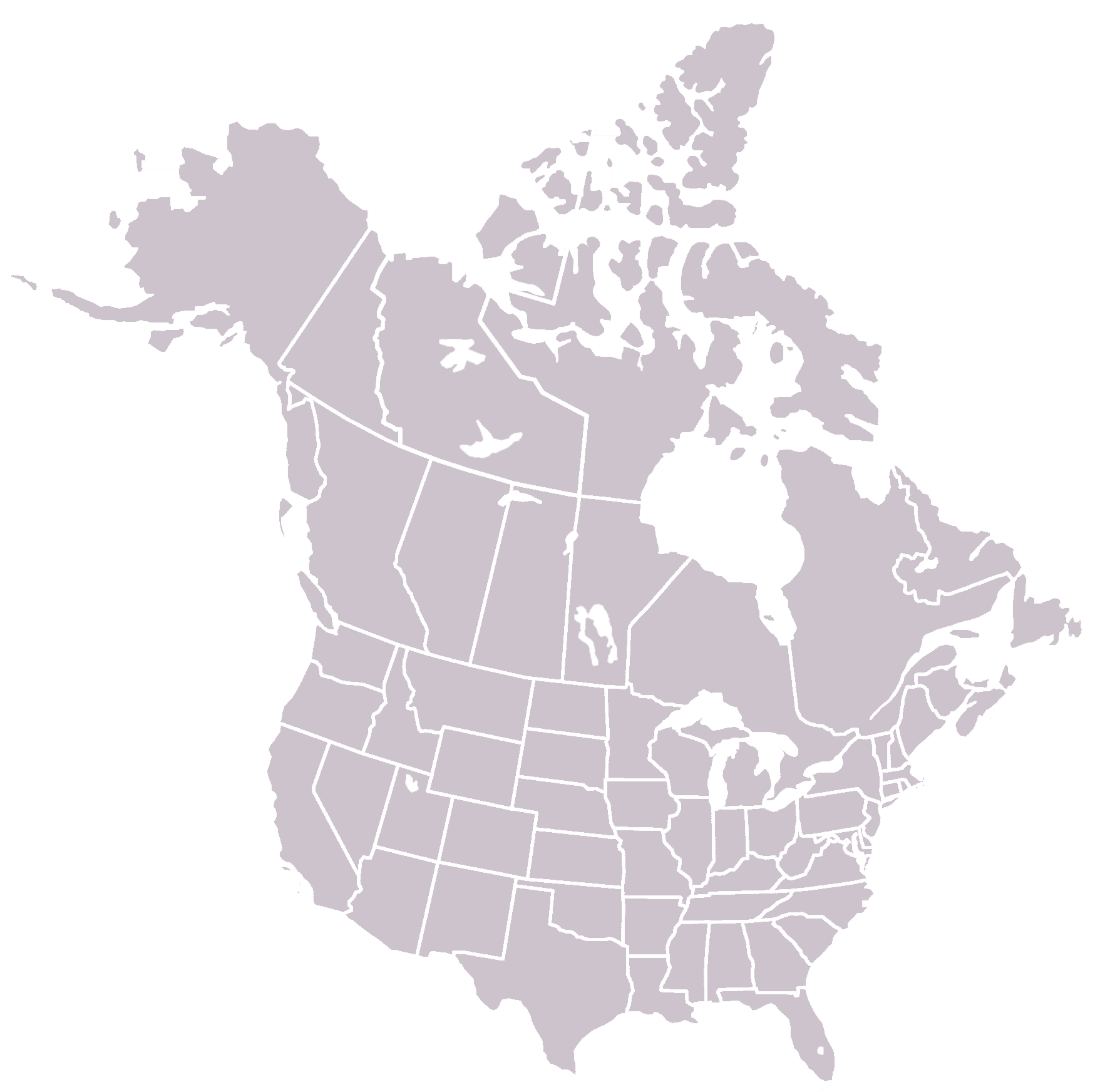
Shawpak are the exclusive distributor in North America for Hygiene Solutions with complete parts and service support.
Product Safety
Our experience in the product inspection industry is essential to the success of our quality assurance program, because we can enhance the safety of your products by detecting contaminants, for the removal, before those products reach your consumers.
Protection and Trust
Protecting your customers, shareholders and brand is your ultimate goal. Ensuring that you have the proper equipment to do the job is ours.
Technical Advisors
Shawpak Systems Technical Advisors will guide you through the best practice options available based on your specific application, acting as your Trusted Advisor.

Entry Control Turnstile
An entry control turnstile is a mechanical or electronic gate system that regulates personnel access to restricted areas while enforcing hygiene compliance at facility entrances. Shawpak Systems Ltd, based in Oakville, Ontario, specializes in designing and deploying these systems for food processing plants, manufacturing facilities, and pharmaceutical operations across North America. This guide walks you through the essential steps to plan, install, and commission a turnstile system that protects worker safety and prevents product contamination.
When you implement an entry control system properly, you reduce cross-contamination risks, enforce consistent hygiene protocols, and maintain audit trails of who enters restricted zones. The following steps assume you are working with a supplier like Shawpak Systems Ltd who understands both the technical and regulatory demands of industrial facilities in Oakville and beyond.
Step 1: Assess Your Facility Layout and Determine Entry Point Requirements
Begin by walking through your facility and identifying every entrance to areas requiring hygiene control. In meat processing operations, pharmaceutical manufacturing, or food preparation zones, these entry points are critical. Measure the width of each doorway or passage and note the foot traffic volume during peak shifts. This information tells you whether you need a single-lane or multi-lane system, and it guides decisions about gate width and throughput capacity.
Document the current entry process: Are workers using pass cards, biometric readers, or manual sign-in sheets? Do they currently pass through separate boot cleaning or hand sanitization stations? Shawpak Systems Ltd will ask these questions during a site consultation because the turnstile must integrate seamlessly with your existing hygiene equipment, such as boot cleaning machines or hand sanitization systems already in place.
Step 2: Choose Between Manual, Card Reader, and Biometric Access Control
Entry control systems operate using three main access methods, each with different security and operational profiles. A manual turnstile requires staff to push through a gate; it is low-cost but offers no access logging. A card reader turnstile uses magnetic swipe or proximity cards to unlock the gate and automatically records who entered and when, making it ideal for facilities in Oakville needing basic audit compliance. Biometric systems-fingerprint or facial recognition-offer the highest security and eliminate the need for lost or shared cards, though they cost more and require training.
For food processing and manufacturing environments, Shawpak Systems Ltd typically recommends card reader systems because they balance security with practicality: they work reliably in damp or cold conditions where biometric sensors sometimes fail, and they integrate easily with existing access control software. The choice depends on your facility's regulatory requirements, your budget, and how strictly you need to enforce who enters which zones.
Step 3: Coordinate with Hygiene Equipment Installation and Layout
Your entry control turnstile does not stand alone. It must work in concert with the hygiene stations that precede it. Most facilities sequence entry like this: worker enters boot cleaning station, passes through hand sanitization system, then approaches the turnstile. Shawpak Systems Ltd designs this workflow to ensure that the turnstile physically blocks entry until a worker has completed required hygiene steps.
The turnstile should never be the first line of defense. It must be the final gate that opens only after hygiene compliance is confirmed, whether through an operator's visual check, a manual override card, or an automated sensor that detects cleaning completion.
Work with your equipment supplier to plan the exact spacing and flow. In many Oakville facilities, the boot cleaning machine sits immediately inside the outer entrance, followed by a hand sanitization system, then the access-controlled turnstile that guards entry to the production floor. This layout ensures no dirty boots or contaminated hands bypass your controls.
Step 4: Install the Physical Structure and Connect Power and Data Lines
Once your site plan is finalized, installation begins with securing the turnstile frame to the floor using concrete anchors or bolts through existing floor mounts. The frame must be perfectly level because even slight misalignment causes binding or false readings. Use a spirit level and adjust shims as needed. For facilities in Oakville handling high-volume throughput, ensure the frame is anchored firmly to resist the daily impact of hundreds of passages.
Next, run power lines from the nearest electrical panel to the turnstile motor and control box. If you are using a card reader or biometric system, also run data cabling from the access control computer to the gate hardware. This work often requires coordination with your IT department and facility electrician to ensure codes are followed and systems are properly grounded. Shawpak Systems Ltd provides technical advisory services to help you avoid common wiring mistakes and ensure your turnstile integrates with your existing network infrastructure. Once all connections are made, have a qualified electrician test voltage and continuity before powering up the system for the first time.
If your facility requires integration with other hygiene equipment-such as a boot drying rack downstream or an industrial boot cleaner upstream-ensure all sensors and control signals are properly routed and tested. The goal is a seamless handoff where completion of one step automatically signals readiness for the next.
Step 5: Program Access Rules and Conduct Staff Training
With the hardware in place, you now configure who has access, when, and under what conditions. If using a card reader system, load employee IDs and assign cards. Set time-based rules: perhaps only day-shift employees can access production areas between 6 AM and 4 PM, while maintenance staff have 24-hour access to machine rooms. Document these rules in writing and keep a backup access list in case the system fails.
Before opening the gates to regular use, conduct hands-on training with every employee who will use the system. Walk them through the proper sequence: approach the boot cleaner, stand in the sanitization zone, present their card to the reader, push through the turnstile, and proceed. In Oakville food processing plants, this training often happens in small groups during shift changes. Have staff practice several times until they are confident. Shawpak Systems Ltd offers on-site training and operates a Centre of Excellence demonstration facility where your team can learn on equipment identical to what you will use daily. This reduces startup friction and prevents the system from becoming a bottleneck.
After two weeks of live operation, review access logs to identify any unusual patterns-employees who struggle with the timing, cards that frequently fail to read, or gates that occasionally jam. Use these real-world observations to refine your setup and provide corrective training where needed.
Shawpak Systems Ltd stands ready to support your entry control system from concept through long-term operation. Our team in Oakville understands the specific compliance and safety demands of food processing, manufacturing, and pharmaceutical facilities across North America. Whether you need technical consultation to select the right system, on-site installation support, or ongoing parts and maintenance, we are here to help. Contact us today to discuss how an entry control turnstile can strengthen your facility's hygiene protocols and operational efficiency.
Frequently Asked Questions
What is the difference between a card reader turnstile and a biometric turnstile?
A card reader turnstile requires employees to swipe or hold a proximity card to unlock the gate; it is reliable in wet or cold conditions and logs access by card ID. A biometric turnstile uses fingerprint or facial recognition and eliminates the need for cards, but it is more expensive and can be slower in high-traffic situations. For most food processing and manufacturing facilities, card reader systems offer the best balance of cost, reliability, and integration with existing access control software.
Do entry control turnstiles work if my facility already has boot cleaning and hand sanitization stations?
Yes. In fact, they work best when sequenced correctly. The turnstile should be positioned after hygiene stations so it serves as the final gate that confirms compliance. Shawpak Systems Ltd designs these workflows to ensure workers complete cleaning and sanitization before the turnstile unlocks, preventing cross-contamination at the entry point.
How much foot traffic can a single turnstile handle?
A standard entry control turnstile can process 30 to 60 passages per minute, depending on the access method and gate design. For facilities in Oakville with shift changes that concentrate traffic into 10-minute windows, a single lane may create bottlenecks. Consult with Shawpak Systems Ltd during planning to determine if you need multiple lanes or a higher-capacity system.
Is there a turnstile supplier in Oakville that understands food processing requirements?
Yes. Shawpak Systems Ltd, based in Oakville, is an exclusive North American distributor of hygiene solutions and has decades of experience installing access control systems in food processing, meat processing, and pharmaceutical facilities. Our technical team understands both the equipment and the compliance standards your facility must meet.
What happens if the turnstile loses power or fails during operation?
Most systems include a manual override mechanism-typically a key-operated release or a push-to-exit button-that allows staff to exit safely if the gate jams or power fails. Ensure your facility has a backup power plan or uninterruptible power supply for critical access points. Discuss failsafe options with Shawpak Systems Ltd during installation.
How do I integrate a turnstile with my existing access control software?
Card reader and biometric turnstiles connect to your access control system via network cabling or wireless protocols. Shawpak Systems Ltd provides technical advisory services to ensure the turnstile's control box communicates properly with your security software, allowing you to manage access rules, view logs, and generate reports from a central dashboard.





Products to Suit Your Needs
- Hygiene Equipment
- Product Inspection
- Packaging Equipment
- Training and Demo Facility
- Sealing Equipment
- Custom Conveyors
- Consultant Service
- Direct Drive Technology
- Spare Parts
- Test Samples
Contact US
For general information or to set up an appointment please complete the form below or give us a call.
GENERAL INQUIRIES
Sales (905) 847 0122 EXT 1
Accounting (905) 847 0122 EXT 4