






Welcome To Shawpak Systems Ltd
Established in 1984 Shawpak Systems prides itself on providing high level technical sales and support to our valued customer base. Offering solutions for Product Inspection, Packaging and Hygiene equipment sales and after sales support including certified customer training on site or at our Centre of Excellence training and demonstration facility.
What Our Clients Are Saying
North American Distributor Hygiene Equipment Solutions
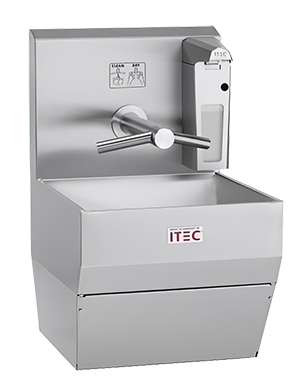
Shawpak are the exclusive distributor in North America for Hygiene Solutions with complete parts and service support.
Product Safety
Our experience in the product inspection industry is essential to the success of our quality assurance program, because we can enhance the safety of your products by detecting contaminants, for the removal, before those products reach your consumers.
Protection and Trust
Protecting your customers, shareholders and brand is your ultimate goal. Ensuring that you have the proper equipment to do the job is ours.
Technical Advisors
Shawpak Systems Technical Advisors will guide you through the best practice options available based on your specific application, acting as your Trusted Advisor.


Filler Feedback
Filler Feedback is the systematic process of monitoring, collecting, and acting on real-time data from filling and packaging equipment to prevent contamination, reduce product loss, and maintain compliance in food processing and manufacturing operations. At Shawpak Systems Ltd, we help facilities across North America implement this critical quality control practice to protect both worker safety and product integrity.
For plant managers and operations directors in Oakville and surrounding regions, the ability to respond quickly to filling equipment issues means the difference between catching a contamination event and shipping compromised product. This guide walks you through the practical steps we recommend based on decades of experience supporting food processing facilities, meat processing operations, and pharmaceutical manufacturers across Canada and the USA.
Step 1: Establish Clear Baseline Performance Metrics
Before you can measure feedback, you need to know what good looks like. Work with your production team and equipment manufacturer to document the normal operating parameters for each filling machine on your line. This includes fill weight variance, fill speed, seal integrity, and temperature ranges specific to your product. At Shawpak Systems Ltd, we recommend recording these baseline metrics in a centralized format that operators can reference during every shift.
Create a written specification sheet for each piece of packaging equipment you operate. Include manufacturer tolerances, your facility's internal acceptance limits, and the specific sensor readings that indicate normal operation. Post these visibly at each filling station in Oakville plants and across your production floor. When baseline metrics are clearly defined and accessible, operators can spot deviations immediately rather than waiting for end-of-line quality checks to catch problems.
Step 2: Install Real-Time Monitoring Systems
Real-time monitoring is the foundation of effective filling equipment feedback. This means implementing sensors and controls that track fill weight, seal quality, product flow rate, and machine temperature continuously throughout your production run. These systems generate alerts when parameters drift outside your established baseline, allowing your team to intervene before defects reach your customers.
Shawpak Systems Ltd works with manufacturers to select and configure monitoring solutions that integrate with your existing production line. We handle the technical installation and ensure your team understands the data display and alert thresholds. For facilities in Oakville managing high-volume food or pharmaceutical production, we recommend systems that log historical data so you can identify trends over time. A system that alerts operators to a gradual drift in fill weight is just as valuable as one that catches a sudden catastrophic failure.
Step 3: Train Your Operators to Interpret and Respond to Data
Equipment generates data, but people make decisions. Your operators must understand what the monitoring system is telling them and know exactly what action to take when an alert appears. This is where on-site training becomes essential. Shawpak Systems Ltd includes comprehensive operator training as part of every equipment installation, ensuring that the people running your lines can confidently read sensor output, understand what a deviation means, and execute the correct response without delay.
Training should cover how to adjust fill parameters when the system indicates drift, when to stop the line for manual inspection, when to escalate to maintenance, and how to document the issue for your quality records. We recommend refresher training every six months and additional sessions whenever new equipment arrives or personnel turnover brings new operators onto your team. In Oakville facilities where we support multiple shifts, we ensure all operators across all shifts receive identical training so your feedback response is consistent.
Step 4: Create a Documented Response Protocol
Feedback means nothing if there is no agreed-upon action attached to it. Develop a written protocol that specifies exactly what happens when the monitoring system alerts your team to a deviation. The protocol should name the person responsible, the decision point (adjustment vs. line stop vs. supervisor notification), the maximum time allowed before action must be taken, and the documentation required afterward.
Your response protocol should account for different severity levels. A minor drift in fill weight might trigger an adjustment at the machine and a log entry. A sensor failure or contamination indicator should trigger an immediate line stop and supervisor involvement. Shawpak Systems Ltd can help you develop these protocols based on best practices from food processing and manufacturing facilities we serve. Having this written before a problem occurs means your team responds the same way every time, regardless of shift or who is on duty.
Step 5: Establish a Regular Review and Adjustment Cycle
Feedback data accumulates over time, and that historical record is where continuous improvement lives. We recommend reviewing your monitoring data on a weekly basis to identify patterns: Are certain times of day associated with more fill weight variation? Does the equipment perform differently with certain product batches? Are alerts becoming more frequent, suggesting wear or drift in baseline conditions?
Use this data to refine your operating procedures, adjust maintenance schedules, or update your baseline metrics if conditions have legitimately changed. Monthly meetings with your operations team, maintenance staff, and quality department ensure that insights from the data translate into action. Many facilities we work with in Oakville and across North America discover that regular review cycles actually reduce the total number of adjustments needed because they catch underlying issues early.
Step 6: Document and Communicate Results
Every adjustment, every line stop triggered by a system alert, and every corrective action taken should be documented in your production records. This creates an audit trail that satisfies regulatory requirements and gives you concrete evidence of your commitment to quality control. It also helps you calculate the return on investment in monitoring equipment by showing exactly how many defects were prevented or caught before they reached customers.
Share results with your team regularly. When an operator's quick response to a system alert prevented a contamination event, acknowledge that. When data analysis led to a process improvement that reduced fill weight variance by 2%, communicate the impact. This reinforces the importance of paying attention to feedback and creates a culture where quality monitoring feels like shared responsibility rather than surveillance.
Implementing feedback systems in your filling and packaging operations protects your product, protects your customers, and protects your facility's reputation. The investment in monitoring equipment, training, and process discipline pays dividends every shift. Shawpak Systems Ltd brings four decades of experience helping food processing, manufacturing, and pharmaceutical facilities in Oakville and across North America build these systems. If you are ready to strengthen your filling operation with real-time feedback and expert guidance, we would like to discuss how we can help. Contact us to arrange a consultation at your facility.
Frequently Asked Questions
What is the difference between filling feedback and quality control testing?
Filling feedback is real-time, machine-based monitoring that alerts operators to problems as they occur during production. Quality control testing happens after products are made and typically catches issues too late to prevent them. Real-time feedback prevents defects; testing detects them after the fact. For a facility running thousands of units per hour, the difference is substantial in terms of waste prevention and product safety.
How long does it typically take to implement a feedback system in Oakville?
Installation of sensors and monitoring software usually requires 1-3 weeks depending on your equipment complexity and line configuration. Operator training and protocol documentation add another 2-4 weeks. Full system adoption and confidence typically takes 6-8 weeks as operators become comfortable interpreting data and responding to alerts. Shawpak Systems Ltd manages the entire timeline and coordinates around your production schedule.
Can filling feedback systems work with older, existing equipment?
Yes. Shawpak Systems Ltd retrofits monitoring solutions onto equipment manufactured over many years. We assess your specific machines to determine the best sensor placement and data integration approach. Some older equipment requires more creative solutions than newer designs, but the principle remains the same: capture data on fill performance and alert operators to deviations.
What happens if the monitoring system itself fails?
A well-designed system includes redundancy and alarm logic so that sensor failure triggers an alert just like a process deviation would. This forces the operator to stop and investigate rather than continuing blindly. Shawpak Systems Ltd configures systems to fail safe, meaning that loss of data creates a line stop rather than allowing unmonitored production to continue.
How often should baseline metrics be adjusted?
Baseline metrics should remain stable unless your product formulation, packaging material, or equipment setup changes. However, the thresholds that trigger alerts may be refined quarterly or semi-annually based on actual performance data. If your filling equipment consistently operates at plus-or-minus 1 gram when your baseline allows plus-or-minus 2 grams, you have room to tighten the specification. Shawpak Systems Ltd reviews data with you regularly to optimize alert sensitivity.
Is there a feedback system solution available for meat processing facilities in Oakville?
Yes. Meat processing operations benefit enormously from filling feedback, especially when using shrink wrapping and portion control equipment. The challenges of product variability and contamination risk in meat processing are exactly why Shawpak Systems Ltd specializes in this sector. We configure solutions that handle the specific demands of meat facilities including temperature monitoring and rapid changeover between product types.
What training do we need to support a feedback system?
Your operators need training on reading system displays, understanding alert codes, executing adjustments, and knowing when to escalate to maintenance or supervisors. Maintenance staff need training on sensor calibration and troubleshooting. Quality and management personnel need training on interpreting historical data and using it for continuous improvement. Shawpak Systems Ltd provides all these training modules on-site and can schedule refresher sessions as needed.

Products to Suit Your Needs
- Hygiene Equipment
- Product Inspection
- Packaging Equipment
- Training and Demo Facility
- Sealing Equipment
- Custom Conveyors
- Consultant Service
- Direct Drive Technology
- Spare Parts
- Test Samples
Contact US
For general information or to set up an appointment please complete the form below or give us a call.
GENERAL INQUIRIES
Sales (905) 847 0122 EXT 1
Accounting (905) 847 0122 EXT 4