

Welcome To Shawpak Systems Ltd

Established in 1984 Shawpak Systems prides itself on providing high level technical sales and support to our valued customer base. Offering solutions for Product Inspection, Packaging and Hygiene equipment sales and after sales support including certified customer training on site or at our Centre of Excellence training and demonstration facility.

What Our Clients Are Saying

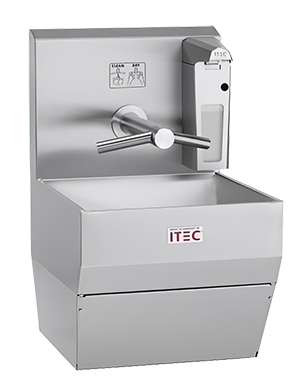
North American Distributor Hygiene Equipment Solutions

Shawpak are the exclusive distributor in North America for Hygiene Solutions with complete parts and service support.

Product Safety

Our experience in the product inspection industry is essential to the success of our quality assurance program, because we can enhance the safety of your products by detecting contaminants, for the removal, before those products reach your consumers.

Protection and Trust

Protecting your customers, shareholders and brand is your ultimate goal. Ensuring that you have the proper equipment to do the job is ours.

Technical Advisors

Shawpak Systems Technical Advisors will guide you through the best practice options available based on your specific application, acting as your Trusted Advisor.

Food Metal Detectors

A food metal detector is an electronic inspection system that identifies ferrous, non-ferrous, and stainless steel contamination in food products before they reach customers. If you run a food processing, meat packing, or manufacturing facility, this equipment protects your brand reputation and meets regulatory requirements that your customers and regulatory bodies expect.

At Shawpak Systems Ltd, we've been helping facilities across North America select and install the right contamination detection equipment since 1984. Based in Oakville, Ontario, we work with food processing plants, pharmaceutical manufacturers, and industrial facilities throughout Canada and the USA to integrate systems that catch problems before they become crises. Whether you're in Oakville or anywhere across the continent, we bring the same level of technical expertise and after-sales support.

Choosing the right system depends on your product type, line speed, and regulatory environment. Let's walk through your options so you can make an informed decision.

Understanding Your Detection Options

Metal detection systems come in several configurations, and each suits different manufacturing situations. The choice isn't about finding the "best" detector-it's about finding the right fit for your operation.

Pipeline detectors are installed inline on liquid or slurry products. They work well if you're running consistent flow rates and your product moves through pipes or hoppers. Because the product path is controlled, these systems deliver reliable readings with minimal false alarms.

Conveyor-belt detectors scan packaged products as they move past the sensor head. These are the most common choice for solid products, pre-packaged goods, and items moving at variable speeds. They're flexible, easy to integrate into existing lines, and allow operators to eject contaminated items quickly.

Hand-held and spot-check detectors let you verify product batches manually or test incoming raw materials. These aren't replacements for inline systems, but they add a layer of confidence for critical control points.

Walk-through or portal detectors screen entire pallets, cases, or bulk bins as they pass through. These work well for final product verification or incoming material inspection, though they typically run slower than inline systems.

Shawpak Systems Ltd helps you evaluate which approach matches your throughput, product characteristics, and contamination risk profile. Our technical advisory service includes on-site assessment so we understand your actual line speed, product density, and handling challenges before recommending equipment.

Comparing Detection Technology and Practical Performance

System Type Best For Speed Range Typical Accuracy Key Advantage
Pipeline Detector Liquids, slurries, pumpable products Continuous flow High (controlled path) Minimal product loss; consistent readings
Conveyor-Belt Detector Packaged solids, baked goods, frozen items 10-400 packages per minute High (proven technology) Versatile; ejects contaminated items in real time
Gravity-Fall Detector Bulk ingredients, powders, granules Steady descent through aperture High (gravity-assisted path) Effective for loose products; low maintenance
Hand-Held Detector Spot checks, raw materials, verification Manual (as needed) Variable (operator dependent) Portable; low capital cost; flexible placement
Portal/Walk-Through Final product batches, pallet-level screening Slower (thorough scan) High (multiple passes possible) Screens entire loads; catches bulk contamination

The table above shows how different approaches trade off speed for thoroughness and versatility. In practice, many facilities use a combination. You might run a conveyor detector on your main production line, use a gravity-fall detector at ingredient intake, and keep a hand-held unit for troubleshooting and raw material batches.

What matters most is sensitivity calibration. All modern detectors can be tuned to catch particles as small as 1.5 millimeters (for ferrous metals) down to 2-3 millimeters (for non-ferrous and stainless), depending on product density and composition. Because denser products block metal signals more effectively, a chicken breast requires different sensitivity than a cookie dough.

This is where technical expertise becomes critical. Shawpak Systems Ltd provides on-site training and operates a Centre of Excellence demonstration facility where you can test equipment with your actual product before committing. That hands-on evaluation prevents costly mistakes and ensures your team understands how to set up, calibrate, and maintain the system correctly.

Making Your Decision: Reliability, Compliance, and Partnership

When you're evaluating options, three questions matter most: Will this system catch the contaminants we're most worried about? Can my team operate and maintain it reliably? And if something goes wrong, is support available?

Detection capability depends on product type. Ferrous metals (iron, steel) are easiest to detect. Non-ferrous metals (aluminum, copper, brass) require higher sensitivity settings. Stainless steel is the trickiest because it's weakly magnetic, so you need fine-tuned equipment and good signal processing to avoid false alarms when detecting small stainless particles in stainless packaging.

Maintenance and reliability are often overlooked. Detectors need regular checks: calibration verification, sensor cleaning, and software updates. If your equipment sits idle or is badly calibrated, it becomes a liability instead of a safeguard. Shawpak Systems Ltd includes certified after-sales support across Canada and the USA, meaning when you need help troubleshooting or scheduling preventive maintenance, there's a partner who understands your equipment and your regulatory environment.

For facilities in Oakville and throughout North America, choosing the right detection approach also means choosing a supplier who stays involved. We don't just sell equipment; we provide parts distribution, ongoing technical advisory, and training so your team stays confident and your system stays effective. Because your product safety and brand protection don't stop after installation, our commitment doesn't either.

If you're evaluating detection solutions for your facility, we'd like to help you think through the options. Contact Shawpak Systems Ltd to discuss your operation, product line, and contamination risks. We can arrange an on-site assessment and walk you through a demonstration so you see real performance before deciding.

Frequently Asked Questions

What size of metal contamination can food metal detectors actually catch?

Modern detectors typically catch ferrous metals as small as 1.5 millimeters and non-ferrous or stainless steel particles in the 2-3 millimeter range. Actual detection depends on product density and composition, so heavier or denser products may require slightly larger particle detection. A reputable supplier will test with your actual product to confirm performance.

How do pipeline detectors differ from conveyor-belt detectors?

Pipeline detectors work inline on liquids and slurries, using a controlled path through a sensor coil for consistent, high-accuracy readings. Conveyor detectors scan packaged solids moving past a sensor head at variable speeds and allow real-time product rejection. Choice depends on whether your product is liquid or solid and how you need to handle contaminated items.

What kind of training and support does Shawpak Systems provide with detection equipment?

Shawpak Systems offers on-site training so your team understands setup, calibration, and maintenance. We also operate a Centre of Excellence demonstration facility in Oakville where you can test equipment with your actual product before purchase. Our certified after-sales support across Canada and the USA includes parts distribution and technical troubleshooting.

Are there food metal detector options available near Oakville?

Yes. Shawpak Systems Ltd, based in Oakville, Ontario, is an exclusive North American distributor for hygiene and detection solutions. We serve manufacturing and food processing facilities throughout Canada and the USA, with on-site support and a local Centre of Excellence demonstration facility where you can evaluate equipment in person.

What should I consider when comparing detection systems for my facility?

Evaluate product type (liquid vs. solid), line speed in items per minute, contamination risk profile, product density, and whether you need real-time rejection or batch-level screening. Then test with your actual product and confirm that the system's sensitivity settings work without creating false alarms. Technical assessment with a qualified supplier prevents costly mistakes.

How often does detection equipment need calibration and maintenance?

Detectors require regular calibration verification, sensor cleaning, and software updates to remain effective. Frequency depends on your line speed, product type, and operating environment. Shawpak Systems can establish a preventive maintenance schedule tailored to your facility so your system stays reliable and continues to meet regulatory requirements.

Can I use a hand-held metal detector instead of an inline system?

Hand-held detectors are useful for spot-checking raw materials, verifying batches, and troubleshooting, but they're not a replacement for inline equipment. Because they depend on operator skill and can only check samples, they don't provide the continuous protection that production lines require. Most facilities use both: hand-held for spot checks and inline for real-time screening.

Products to Suit Your Needs

  • Hygiene Equipment
  • Product Inspection
  • Packaging Equipment
  • Training and Demo Facility
  • Sealing Equipment
  • Custom Conveyors
  • Consultant Service
  • Direct Drive Technology
  • Spare Parts
  • Test Samples

Contact US

For general information or to set up an appointment please complete the form below or give us a call.

GENERAL INQUIRIES

10 – 760 Pacific Road Oakville, ON L6L 6M5

Sales (905) 847 0122 EXT 1
Accounting (905) 847 0122 EXT 4

PARTS & SERVICE CANADA & USA