






Welcome To Shawpak Systems Ltd
Established in 1984 Shawpak Systems prides itself on providing high level technical sales and support to our valued customer base. Offering solutions for Product Inspection, Packaging and Hygiene equipment sales and after sales support including certified customer training on site or at our Centre of Excellence training and demonstration facility.
What Our Clients Are Saying
North American Distributor Hygiene Equipment Solutions
Shawpak are the exclusive distributor in North America for Hygiene Solutions with complete parts and service support.
Product Safety
Our experience in the product inspection industry is essential to the success of our quality assurance program, because we can enhance the safety of your products by detecting contaminants, for the removal, before those products reach your consumers.
Protection and Trust
Protecting your customers, shareholders and brand is your ultimate goal. Ensuring that you have the proper equipment to do the job is ours.
Technical Advisors
Shawpak Systems Technical Advisors will guide you through the best practice options available based on your specific application, acting as your Trusted Advisor.


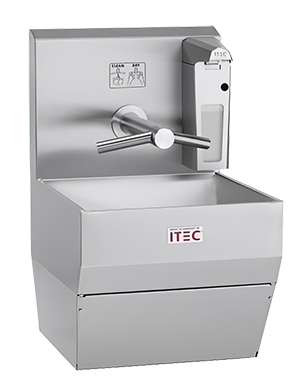
Food Plant Stainless Steel Sink
A stainless steel sink for food processing is a specialized wash station built from corrosion-resistant metal, designed to meet sanitation codes while withstanding heavy daily use in manufacturing environments. Shawpak Systems Ltd helps food plants, meat processors, and pharmaceutical manufacturers across North America select and install the right sink equipment to support their hygiene protocols and worker safety standards.
Whether you operate in Oakville or across Canada and the USA, choosing the correct sink setup requires understanding material specifications, compliance requirements, and integration with your broader hygiene systems. Here are the critical factors every facility manager should evaluate.
1. Material Grade Determines Durability and Compliance
Not all stainless steel is the same. For food processing, you need 304 or 316-grade stainless steel. Grade 304 resists most food acids and cleaning chemicals; grade 316 adds molybdenum for superior corrosion resistance, especially in facilities using salt-based preservation or high-chlorine sanitizers. Because 316-grade costs 15-20% more than 304, many plants start with 304 and upgrade specific stations to 316 based on chemical exposure.
The sink basin itself is only part of the equation. Your drain lines, overflow connections, and faucet bodies must match the same corrosion resistance. Shawpak Systems Ltd evaluates your cleaning chemicals and production environment to recommend the right grade from the outset, preventing costly replacements when rust or pitting appears.
2. NSF Certification Is Non-Negotiable
Any sink installed in a food or pharmaceutical facility must carry NSF (National Sanitation Foundation) certification. This certification confirms the sink meets FDA food contact surface standards and can withstand repeated washing, sanitizing, and inspection. Without NSF approval, your facility fails health inspections and creates liability for contamination claims.
When evaluating sink models, verify the certification number on the manufacturer's documentation and confirm it covers all wetted surfaces. Some sinks are NSF-certified for the bowl but not the faucet or strainer basket. Shawpak Systems Ltd supplies only certified equipment and provides documentation at installation so your compliance records are complete.
3. Drain Design Prevents Bacterial Buildup
The drain is where most contamination problems begin. Flat-bottomed basins with traditional P-traps create dead zones where water pools and bacteria colonize. Modern commercial sinks use sloped basins that drain completely, combined with smooth, welded drain fittings with no crevices or threads where pathogens hide.
Coved or radius corners at every interior joint are essential because bacteria thrive in 90-degree angles. If your facility currently has a sink with sharp internal corners, replacing it with a fully coved design measurably reduces your pathogen load. Shawpak Systems Ltd designs sink layouts with these details specified, and our on-site training ensures your staff understand proper draining and cleaning protocols.
4. Size and Compartmentalization Match Your Workflow
Single-basin sinks work for small hand-washing stations. Multi-compartment sinks (typically two or three sections) are standard in meat processing, produce handling, and utensil washing because they allow a three-step wash, rinse, and sanitize sequence without moving items between stations. The compartment sizes must fit your largest items: if you're washing cutting boards, the basin needs to be at least 18 inches wide and 24 inches long.
Because space is constrained in most Oakville and regional facilities, Shawpak Systems Ltd helps you evaluate your actual workflow before recommending a model. An undersized sink creates bottlenecks and tempts staff to skip steps; an oversized sink wastes floor space and water. We bring product samples to your facility and walk through your cleaning procedures so the sink we recommend genuinely supports your operation.
5. Water Temperature and Flow Rate Control Contamination
Effective sanitization requires hot water, typically 170-180 degrees Fahrenheit for final rinse cycles. Your sink system must maintain this temperature without scalding hands, which means integrated mixing valves and thermostatic controls. Commercial sinks should deliver at least 3.5 gallons per minute at the faucet to flush debris and allow rapid rinsing.
Equally important: the sink must accommodate both hot-water sanitizing cycles and cold-water pre-rinse for certain tasks. A single faucet with separate hot and cold supplies, controlled by a lever or electronic foot pedal, prevents cross-contamination and reduces water waste. Shawpak Systems Ltd installs water-supply systems that balance temperature control with conservation, lowering your operating costs while maintaining hygiene standards.
6. Installation Height and Surrounding Space Affect Safety and Cleaning
Standard commercial sinks sit 36 inches from the floor, but if your team includes shorter staff members or you're washing large items, you may need a lower height. The area surrounding the sink must be sloped to drain away splashes and cleaned easily; no porous caulk, no wood trim, and no tight corners where moisture accumulates. Ideally, the sink is set into a surrounding counter of the same stainless steel so liquid flows away cleanly.
Wall-mounted sinks save floor space and allow equipment underneath, but they require robust support and regular inspection for loose mounting bolts that can develop over time. Floor-mounted units with legs are heavier to install but simpler to service. Shawpak Systems Ltd handles the full installation, including plumbing connections, drainage slope verification, and anchoring so the sink performs reliably for years.
7. Integration With Broader Hygiene Systems Multiplies Effectiveness
A sink does not exist in isolation. Its effectiveness depends on proximity to an industrial boot cleaner for entry stations, accessible sanitizer dispensers, clean-towel racks, and drying facilities. Food plants that combine hand-washing sinks with boot cleaning machines, automated hand sanitization systems, and proper traffic flow see measurably lower contamination rates than those with sinks alone.
Shawpak Systems Ltd brings expertise in designing complete hygiene zones. We are the exclusive North American distributor for Hygiene Solutions equipment and have established a Centre of Excellence demonstration facility where you can see hand sanitization systems, boot cleaners, and sink stations working together. This integrated approach is what separates facilities meeting basic codes from those achieving industry-leading safety records. Our technical advisory service helps you plan the entire hygiene layout so your investment in one component supports your investment in the next.
If you are ready to upgrade your facility's hygiene infrastructure, Shawpak Systems Ltd is ready to help. Contact us to discuss your facility's specific needs and schedule a consultation with one of our technical advisors.
Frequently Asked Questions
What is the difference between 304 and 316 stainless steel for food processing sinks?
304-grade stainless steel resists most food acids and standard cleaning chemicals, making it suitable for general food processing. 316-grade adds molybdenum for superior corrosion resistance in high-chlorine or salt-heavy environments, such as meat curing or brine processing. 316 costs 15-20% more but lasts longer in aggressive chemical conditions. Shawpak Systems Ltd evaluates your specific chemicals and processes to recommend the right grade for your facility.
Is NSF certification required for commercial food plant sinks?
Yes. NSF certification is mandatory for any sink used in food or pharmaceutical manufacturing. It confirms the sink meets FDA food contact surface standards and can withstand repeated sanitizing cycles. Health inspectors verify NSF certification numbers, and without it your facility fails compliance audits. Always confirm the certification covers all wetted surfaces, including the faucet and strainer basket.
How often should a commercial stainless steel sink be replaced?
A properly maintained 304-grade sink typically lasts 10-15 years; 316-grade often exceeds 15 years. Replacement becomes necessary if corrosion pitting develops, drains leak persistently, or welded joints crack. Proper cleaning technique, regular inspections, and prompt repair of small issues extend the life significantly. Shawpak Systems Ltd provides after-sales support and parts distribution to help maximize the lifespan of your equipment.
Are there stainless steel sink manufacturers near Oakville that specialize in food processing?
Oakville-area fabricators can customize sinks, but for food processing you need NSF-certified models that meet specific FDA standards. Shawpak Systems Ltd, based in Oakville, sources certified equipment from established manufacturers and handles full installation, plumbing integration, and compliance verification so you do not have to navigate certifications yourself. We serve food plants and manufacturers across Ontario and North America.
Can a stainless steel sink be integrated with other hygiene equipment like boot cleaners?
Yes. The most effective facilities combine hand-washing sinks with boot cleaning stations, hand sanitizer dispensers, and proper drainage to create contamination-free traffic zones. Shawpak Systems Ltd designs integrated hygiene layouts that connect sinks, industrial boot cleaners, and sanitization systems so each component reinforces the others. We can demonstrate these setups at our Centre of Excellence facility.



Products to Suit Your Needs
- Hygiene Equipment
- Product Inspection
- Packaging Equipment
- Training and Demo Facility
- Sealing Equipment
- Custom Conveyors
- Consultant Service
- Direct Drive Technology
- Spare Parts
- Test Samples
Contact US
For general information or to set up an appointment please complete the form below or give us a call.
GENERAL INQUIRIES
Sales (905) 847 0122 EXT 1
Accounting (905) 847 0122 EXT 4