






Welcome To Shawpak Systems Ltd
Established in 1984 Shawpak Systems prides itself on providing high level technical sales and support to our valued customer base. Offering solutions for Product Inspection, Packaging and Hygiene equipment sales and after sales support including certified customer training on site or at our Centre of Excellence training and demonstration facility.
What Our Clients Are Saying
North American Distributor Hygiene Equipment Solutions
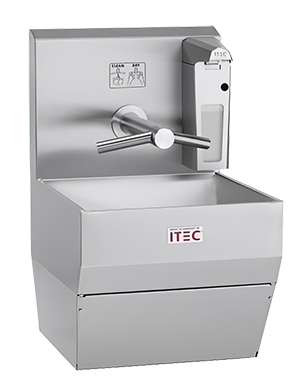
Shawpak are the exclusive distributor in North America for Hygiene Solutions with complete parts and service support.
Product Safety
Our experience in the product inspection industry is essential to the success of our quality assurance program, because we can enhance the safety of your products by detecting contaminants, for the removal, before those products reach your consumers.
Protection and Trust
Protecting your customers, shareholders and brand is your ultimate goal. Ensuring that you have the proper equipment to do the job is ours.
Technical Advisors
Shawpak Systems Technical Advisors will guide you through the best practice options available based on your specific application, acting as your Trusted Advisor.


Horizontal Packaging Machine
A horizontal packaging machine is an automated system that wraps products in film by feeding them horizontally through a sealing chamber, commonly used in food processing, pharmaceuticals, and manufacturing to protect items and extend shelf life. Shawpak Systems Ltd, based in Oakville, Ontario, supplies and supports these machines across North America, helping facilities in Oakville and beyond automate their packaging operations with precision equipment and expert technical guidance.
This guide walks you through the essential steps to configure, calibrate, and operate a horizontal packaging system safely and effectively. Whether you are replacing aging equipment or introducing automation to your facility for the first time, understanding the setup and operational sequence ensures consistent output, minimizes film waste, and reduces downtime. By the end, you will have a working knowledge of the key adjustment points, safety checks, and troubleshooting approaches that keep your line running reliably.
Step 1: Inspect Equipment and Verify Specifications Before Installation
Before powering on your new machine, conduct a thorough physical inspection to confirm the unit matches your purchase order and that no shipping damage has occurred. Check the film roll holder diameter, the sealing bar length, and the overall footprint against your facility layout in Oakville or your location. Verify that your electrical supply matches the machine nameplate rating, typically ranging from 3 to 15 kilowatts depending on model size and sealing speed. Document the serial number, voltage, and phase configuration in your maintenance log.
Examine the film guide rollers, pressure belts, and heat sealing elements for any obvious defects or debris. Confirm that all moving parts rotate freely when manually turned (with power disconnected). Review the technical documentation provided by Shawpak Systems Ltd to understand your specific model's safety interlocks, emergency stop locations, and guarding requirements. This foundational step prevents costly errors once production begins and ensures compliance with your facility's safety protocols.
Step 2: Configure Film Roll Setup and Tension Adjustment
Load your product film onto the roll holder, ensuring the roll spins freely and the film edge aligns with the guide rails. The film typically feeds from the bottom of the roll and travels upward through the seal chamber. Adjust the film tension using the brake mechanism on the roll holder; tension should be firm enough to prevent wrinkles and slack, but not so tight that it stresses the film and causes tearing. Most operators find that a tension range of 2 to 5 kilograms provides stable feeding without material waste.
Thread the film through the top guide rollers and down through the heat sealing jaws, ensuring it sits flat and centered. The film width must match your product dimensions with a margin of approximately 10 to 15 millimetres on each side for overlap and sealing. As you increase speed, monitor film tracking on the rollers; a drift of more than 5 millimetres from center indicates misalignment that must be corrected before production. Shawpak Systems Ltd technicians can provide on-site training to refine this critical setup and ensure your team masters film handling for your specific product range.
Step 3: Calibrate Heat Sealing Temperature and Dwell Time
The heat sealing jaws are the core of any packaging operation, and their temperature and contact duration determine seal quality. Set the jaw temperature to the film manufacturer's specification, which for polyethylene and polypropylene typically ranges from 120 to 160 degrees Celsius. Start at the lower end of the range and increase in 5-degree increments while running test cycles. A good seal appears continuous, with no visible film separation or leakage when bent sharply.
Dwell time, the duration the jaws remain closed on the film, directly affects seal strength. For most applications, dwell time ranges from 0.5 to 2 seconds; faster speeds demand shorter dwell times that still achieve sufficient melting. Use a test strip of your actual product film and measure seal strength by hand-pulling the sealed edge until it separates. If the seal tears cleanly without delaminating, temperature and dwell are properly balanced. Record your successful settings for reproducibility and include them in your standard operating procedures so that operators across your facility can maintain consistency.
Step 4: Set Product Infeed System and Positioning Accuracy
The infeed conveyor or pusher mechanism determines how products enter the sealing chamber and at what spacing. Adjust the pusher timing so that products are spaced evenly along the film and feed into the jaws at a steady, predictable rate. Most machines allow you to set pusher delay and pusher stroke independently; pusher delay controls the interval between products, and pusher stroke determines how far each item travels into the seal area. For a facility in Oakville packaging food items or pharmaceuticals, precision timing is essential to prevent jams and ensure seal placement is consistent product to product.
Run a series of test cycles at low speed with your target products to verify that the spacing, orientation, and positioning are correct before committing to full production speed. Mark a reference point on the film above the product so you can visually confirm that each item sits in the same position relative to the seal line. If products are shifting or entering at inconsistent angles, adjust the side guides or pusher alignment. This step prevents expensive scrap and rework once your line ramps to operational speed.
Step 5: Perform Safety Checks and Run Full-Speed Trial Cycles
Verify that all interlocks function correctly by attempting to open guards while the machine is in cycle; the machine must halt immediately. Test the emergency stop button from multiple locations on the machine and confirm it cuts power to moving parts within one second. Inspect all pinch points, hot surfaces, and rotating components to ensure they are properly guarded and that warning labels are visible and legible. A facility in Oakville or anywhere else in North America must meet local electrical and machine safety codes, and Shawpak Systems Ltd includes compliance guidance as part of their after-sales support.
Run your first full-speed trial with scrap material or low-cost products while your entire operating team observes the cycle. Listen for unusual noise, monitor film tracking and seal appearance, and watch for any hesitation or unexpected delays. Collect the first 20 sealed packages and measure their dimensions, weight, and seal integrity to establish a baseline for normal operation. Document any adjustments you make during this trial phase and communicate them clearly to all operators. Once you and your team are confident in the setup, you are ready to transition to regular production while maintaining periodic quality checks to confirm that seal strength, film tracking, and product positioning remain within specification.
Frequently Asked Questions
What film thickness and material types work best with horizontal packaging machines?
Most horizontal machines accommodate film gauges between 25 and 75 microns; common materials include low-density polyethylene (LDPE), high-density polyethylene (HDPE), and polypropylene (PP). Heavier gauges provide durability but may require higher sealing temperatures and longer dwell times. Always consult your film supplier's technical sheet and run test seals before committing to production volume.
Where can I find technical support for horizontal packaging equipment in Oakville?
Shawpak Systems Ltd, based in Oakville, provides on-site training, parts distribution, and certified after-sales support for packaging machinery across Canada and the USA. They operate a Centre of Excellence demonstration facility where you can test equipment and receive hands-on consultation before and after purchase.
How often should sealing jaws and film guide rollers be inspected?
Inspect sealing jaws visually every 40 to 60 hours of operation for film residue, scoring, or uneven wear. Clean them gently with a soft brush and, if residue persists, use a specialized jaw cleaner recommended by the manufacturer. Replace guide rollers if they show flat spots, cracks, or significant wear; this typically occurs every 6 to 12 months depending on production volume and film type.
What causes horizontal packaging machine seal failures and how do I troubleshoot them?
Seal failures most often result from incorrect temperature, insufficient dwell time, worn jaws, or contaminated film edges. Start by increasing temperature by 5 degrees and running a test seal. If the problem persists, inspect jaw surfaces for pitting or debris, and ensure film is clean and dry. If seals still fail after these adjustments, contact Shawpak Systems Ltd for diagnostic support and potential jaw replacement.




Products to Suit Your Needs
- Hygiene Equipment
- Product Inspection
- Packaging Equipment
- Training and Demo Facility
- Sealing Equipment
- Custom Conveyors
- Consultant Service
- Direct Drive Technology
- Spare Parts
- Test Samples
Contact US
For general information or to set up an appointment please complete the form below or give us a call.
GENERAL INQUIRIES
Sales (905) 847 0122 EXT 1
Accounting (905) 847 0122 EXT 4