






Welcome To Shawpak Systems Ltd
Established in 1984 Shawpak Systems prides itself on providing high level technical sales and support to our valued customer base. Offering solutions for Product Inspection, Packaging and Hygiene equipment sales and after sales support including certified customer training on site or at our Centre of Excellence training and demonstration facility.
What Our Clients Are Saying
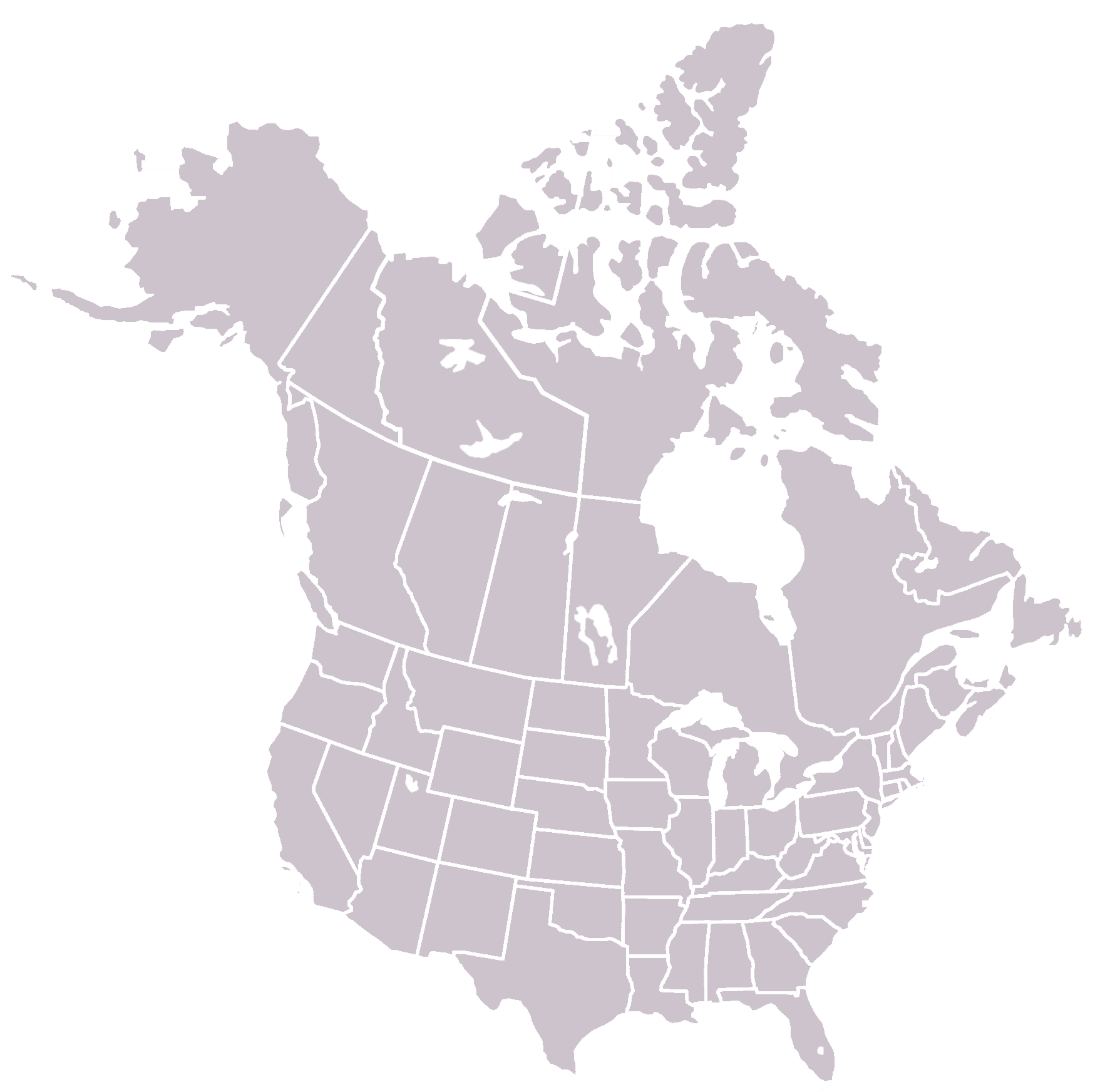
North American Distributor Hygiene Equipment Solutions
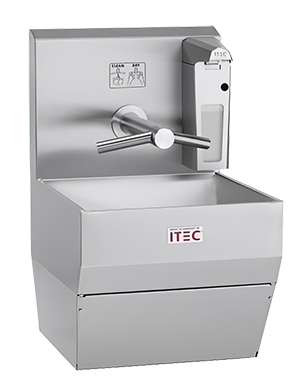
Shawpak are the exclusive distributor in North America for Hygiene Solutions with complete parts and service support.
Product Safety
Our experience in the product inspection industry is essential to the success of our quality assurance program, because we can enhance the safety of your products by detecting contaminants, for the removal, before those products reach your consumers.
Protection and Trust
Protecting your customers, shareholders and brand is your ultimate goal. Ensuring that you have the proper equipment to do the job is ours.
Technical Advisors
Shawpak Systems Technical Advisors will guide you through the best practice options available based on your specific application, acting as your Trusted Advisor.

Manufacturing Boot Cleaner
A manufacturing boot cleaner is a stationary or semi-portable hygiene station designed to remove contamination from worker footwear before entry into controlled production areas. Shawpak Systems Ltd, based in Oakville, Ontario, supplies and installs industrial boot cleaning equipment across North America to help food processing, pharmaceutical, and manufacturing facilities meet contamination control standards and worker safety requirements.
Step 1: Assess Your Facility's Contamination Risk Level
Begin by documenting the specific contamination hazards present in your operation. Food processing plants face microbial risk; meat processing operations deal with blood and tissue residue; pharmaceutical manufacturing requires particle control; general manufacturing may have heavy oils, solvents, or metal shavings. Walk the entry points where workers transition from outdoor or non-controlled areas into your production zone, and identify what materials workers bring in on their boots on a typical shift.
Shawpak Systems Ltd works with facility managers across Canada and the USA to classify risk levels-low (dry dust environments), medium (wet or greasy conditions), or high (biological or chemical hazards)-because the risk level directly determines equipment specifications. A low-risk facility may use a simple brush and scraper station, while high-risk operations require pressure wash systems with heated water and drainage infrastructure.
Step 2: Determine Traffic Volume and Space Constraints
Count the average number of workers entering controlled areas per shift and the peak entry times (typically shift changes). This traffic volume determines whether you need a single station or multiple units deployed at different entry points. A facility with 50 workers per shift entering at staggered times requires different throughput than one with 300 workers arriving within 15 minutes.
Measure the physical space available at each entry point-ceiling height, floor dimensions, proximity to drains, and electrical access. Oakville-based Shawpak Systems Ltd evaluates these constraints during site consultation because equipment must fit operational workflows without creating bottlenecks. A 6-foot by 8-foot footprint is typical for a standard industrial boot cleaning station, but compact designs exist for space-limited facilities.
Step 3: Select Equipment Type and Cleaning Method
Industrial boot cleaners use four primary methods: brush rotation (mechanical friction against boot soles), pressure washing (high-force water removal), immersion trays (submersion in sanitizing solutions), or combination systems. Brush systems suit dry contamination; pressure washers handle caked-on material; immersion systems deliver chemical sanitization for pathogen control. High-contamination environments often combine methods-brush first, then pressure wash, then sanitize.
Shawpak Systems Ltd stocks equipment ranging from manual stations to fully automated systems with foot sensors and programmable cycles. Automated units reduce operator dependency and ensure consistent application, particularly valuable in facilities with high turnover or where compliance documentation is required. Your technical advisory team evaluates trade-offs: manual systems cost less upfront but require discipline in use; automated systems demand higher capital investment but deliver repeatable results and reduce labour.
Step 4: Plan Installation, Drainage, and Utilities
Once equipment type is selected, identify water supply, drainage requirements, and electrical needs. Pressure-wash systems require 60-80 PSI water pressure and a dedicated drain line to prevent water pooling, which creates slip hazards and cross-contamination. Heated water systems need either a boiler connection or on-unit heating, which increases electrical demand. Sanitizing immersion stations need plumbing to refill reservoirs and drain spent solution.
Shawpak Systems Ltd manages on-site installation across North America, ensuring proper slope of drainage areas, connection to facility water systems, and electrical safety compliance. The company's technical team verifies that drainage does not back up into production zones and that chemical sanitizers (where used) are disposed of safely. Installation typically takes 1-3 days depending on complexity, and the company provides on-site training so your team operates equipment correctly from day one.
Step 5: Establish Maintenance and Performance Monitoring
After deployment, schedule weekly inspections to check brush wear, verify water pressure remains adequate, confirm sanitizer concentration (if applicable), and monitor for blockages in drain lines. Replace brushes every 4-8 weeks depending on traffic; worn brushes lose cleaning effectiveness and staff may bypass the station if it feels ineffective. Document usage logs and cleaning outcomes to demonstrate compliance during audits and to identify trends in equipment performance.
Shawpak Systems Ltd provides after-sales support including parts distribution, preventive maintenance guidance, and remote troubleshooting across Canada and the USA. The company's Centre of Excellence demonstration facility in Oakville allows you to observe equipment operation before purchase and to train supervisors on expected performance standards. Certified support staff respond to equipment failures quickly, because downtime in a manufacturing boot cleaner directly impacts your entry control and production continuity.
If your facility in Oakville, across Ontario, or anywhere in North America is evaluating boot cleaning solutions, contact Shawpak Systems Ltd to discuss your contamination control challenges and explore equipment options tailored to your operations. The company's 40-year track record in industrial hygiene means your facility gains not just equipment, but consultative partnership in maintaining safe and compliant production environments.
Frequently Asked Questions
What is the difference between a boot cleaning station and an industrial boot cleaner?
A boot cleaning station is typically a manual or semi-automatic fixture with brushes or spray nozzles that workers operate themselves. An industrial boot cleaner is a fully integrated system-often automated with sensors, programmable cycles, and drainage infrastructure-designed for high-volume, high-contamination environments where consistency and compliance documentation are essential. Shawpak Systems Ltd supplies both types depending on facility risk level and traffic volume.
How much does a manufacturing boot cleaner cost to install in Oakville?
Equipment cost varies based on automation level, cleaning method, and installation complexity. Manual brush stations start lower; pressure-wash systems and heated water units command higher investment. Installation costs depend on whether your facility already has drainage and water connections at the entry point. Contact Shawpak Systems Ltd for a site consultation-the company provides cost estimates after assessing your specific constraints and requirements.
How often do industrial boot cleaners need maintenance?
Weekly inspection of brushes, water pressure, and drain function is recommended. Replace brush elements every 4-8 weeks depending on traffic and contamination type. Sanitizer concentration should be checked twice weekly if using chemical immersion. Shawpak Systems Ltd provides maintenance schedules and parts distribution to keep equipment performing reliably.
Can a boot cleaning station prevent foodborne pathogen contamination?
A properly designed station using sanitizing chemicals, pressure washing, and automated cycles reduces pathogen load significantly, but does not guarantee elimination. Effectiveness depends on cleaning method, chemical concentration, contact time, and worker compliance. Shawpak Systems Ltd works with food processing facilities to integrate boot cleaning into a layered contamination control strategy that includes facility design, entry protocols, and staff training.
What type of boot cleaner is best for a meat processing facility?
Meat processing operations typically benefit from combination systems: automated brush removal followed by pressure washing with heated water, then optional chemical sanitization. High throughput and biological contamination require robust drainage and frequent cycle completion. Shawpak Systems Ltd recommends on-site demonstration and technical consultation for meat processing clients to ensure equipment matches facility layout and staffing capacity.

Products to Suit Your Needs
- Hygiene Equipment
- Product Inspection
- Packaging Equipment
- Training and Demo Facility
- Sealing Equipment
- Custom Conveyors
- Consultant Service
- Direct Drive Technology
- Spare Parts
- Test Samples
Contact US
For general information or to set up an appointment please complete the form below or give us a call.
GENERAL INQUIRIES
Sales (905) 847 0122 EXT 1
Accounting (905) 847 0122 EXT 4