






Welcome To Shawpak Systems Ltd
Established in 1984 Shawpak Systems prides itself on providing high level technical sales and support to our valued customer base. Offering solutions for Product Inspection, Packaging and Hygiene equipment sales and after sales support including certified customer training on site or at our Centre of Excellence training and demonstration facility.
What Our Clients Are Saying
North American Distributor Hygiene Equipment Solutions
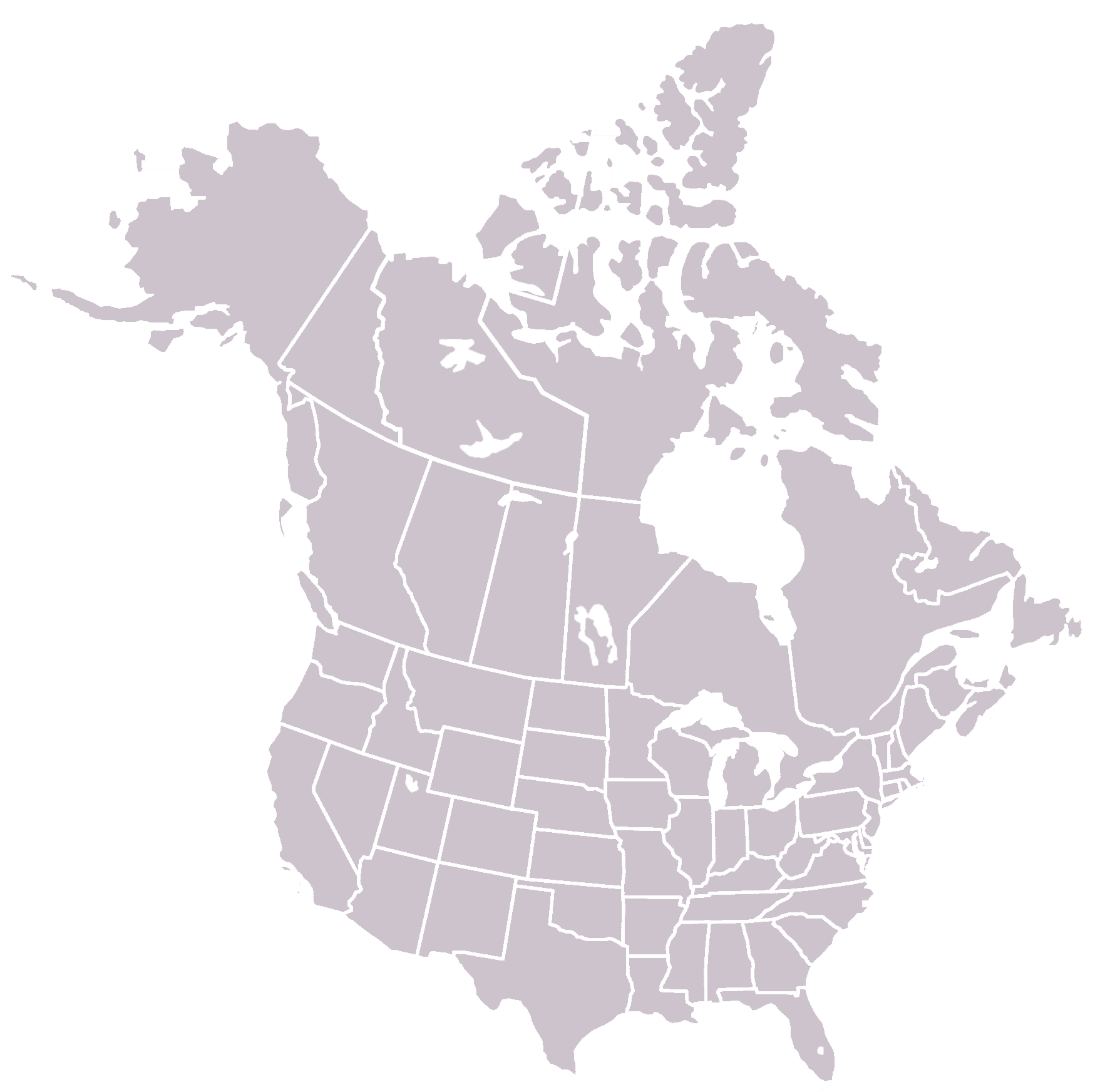
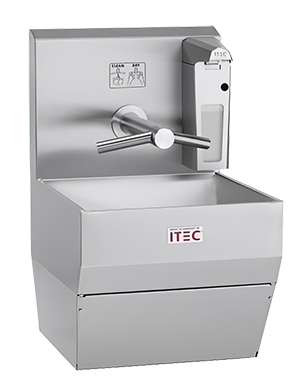
Shawpak are the exclusive distributor in North America for Hygiene Solutions with complete parts and service support.
Product Safety
Our experience in the product inspection industry is essential to the success of our quality assurance program, because we can enhance the safety of your products by detecting contaminants, for the removal, before those products reach your consumers.
Protection and Trust
Protecting your customers, shareholders and brand is your ultimate goal. Ensuring that you have the proper equipment to do the job is ours.
Technical Advisors
Shawpak Systems Technical Advisors will guide you through the best practice options available based on your specific application, acting as your Trusted Advisor.

Mesh Glove Cleaning
Mesh glove cleaning is the process of removing food particles, bacteria, and contaminants from protective mesh gloves used in food processing and manufacturing without damaging the glove material. It sounds straightforward until you're standing on a production floor watching your team either hand-wash gloves ineffectively or discard them after a single shift, burning through inventory and labor time.
At Shawpak Systems Ltd, we've worked with food processing facilities, pharmaceutical manufacturers, and meat processing operations across Oakville and throughout North America long enough to know that how you clean protective gloves directly impacts your compliance standards, production uptime, and operating costs. The wrong approach can mean cross-contamination risks, accelerated glove wear, or bottlenecks in your hygiene protocols. This comparison covers the main methods facilities choose, their real trade-offs, and what works best for different production environments.
Manual Hand Washing Versus Automated Cleaning Systems
Manual hand washing of mesh gloves involves staff removing gloves and washing them under running water with soap or sanitizer, then air-drying before reuse. It is low in upfront cost but high in labor time and inconsistent in results. Operators may not remove all contaminants, cross-contamination can occur between wash stations, and drying times delay glove reuse.
Automated industrial hygiene equipment-the systems Shawpak Systems Ltd supplies to manufacturing facilities in Oakville and across Canada and the USA-uses pressurized jets, heated cycles, and controlled drying to clean gloves systematically. Because the process is mechanical and repeatable, you get uniform cleanliness, faster turnaround, and no guesswork. The trade-off is higher equipment cost and space requirements. For operations running multiple shifts or handling high-contamination products, the cost per glove cleaned typically falls below manual methods within months.
Mesh Glove Cleaning Equipment Options
Three main equipment categories address this need:
- Spray-wash stations: Enclosed units with multiple nozzles that spray water and sanitizer at controlled pressure. Fast cycle times (two to five minutes), suitable for gloves and small equipment. Good for facilities with moderate throughput and space constraints.
- Immersion wash systems: Tanks that submerge gloves in heated sanitizing solution, agitate, and drain. Removes heavy soil and biofilm effectively. Longer cycle times mean they work better for facilities willing to maintain multiple glove sets in rotation.
- Tunnel or conveyor washers: Continuous-feed systems where gloves move through wash, rinse, and dry stages. Highest throughput, ideal for large meat processing or food manufacturing plants operating at scale. Significant capital investment and floor space required.
Shawpak Systems Ltd works with your plant layout and volume requirements to match the right equipment. Our technical advisory team visits facilities in Oakville and across North America to assess your actual contamination profile, shift patterns, and glove inventory before recommending a system, not just guessing based on production numbers.
Comparing Hygiene Effectiveness and Compliance
| Method | Soil Removal | Bacterial Reduction | Drying Time | Best For |
|---|---|---|---|---|
| Manual hand wash | Variable | 60-75% | 20-40 minutes air dry | Low-volume, low-risk tasks |
| Spray-wash station | Good | 85-95% | 5-10 minutes heated | Mixed production, moderate throughput |
| Immersion wash | Excellent | 92-98% | 10-15 minutes | Heavy contamination, regulatory audits |
| Tunnel conveyor | Excellent | 94-99% | Continuous discharge | High-volume food processing |
Because food processing facilities and pharmaceutical manufacturers must document hygiene procedures, automated systems provide a traceable record. Shawpak Systems supplies equipment with monitoring capabilities that log wash cycles, temperatures, and sanitizer concentrations-evidence your compliance team can show auditors. Manual washing leaves no record and creates liability if contamination occurs.
Cost, Space, and Integration Considerations
Equipment cost ranges from under five thousand dollars for a basic spray station to fifty thousand or more for conveyor systems. However, labor savings compound quickly. A facility using spray-wash systems reduces glove preparation time by sixty to seventy percent compared to manual washing, translating to one or two staff hours saved per shift. Over a year, that recovery often covers equipment cost entirely.
Space is another real constraint. Spray stations and immersion systems fit into most existing hygiene zones with minor layout changes. Tunnel systems require dedicated floor space and utility connections-something Shawpak Systems Ltd handles during your equipment selection consultation. We work with plant managers and operations directors in Oakville and throughout North America to ensure the system fits your facility, not the other way around.
Integration with your existing workflows matters too. If your glove changing stations are spread across multiple production areas, centralized equipment becomes a bottleneck unless you buy multiple units or maintain a large clean glove inventory in rotation. Our technical team factors these details into recommendations.
Our Recommendation for Most Facilities
For food processing plants, meat processing operations, and manufacturing facilities of any meaningful scale, a mid-range spray-wash station or immersion system strikes the best balance. It delivers hygiene compliance, cuts labor time by half or more, and fits into most facility footprints without major renovation. If your operation handles high-contamination products-raw meat, biological materials, heavy soil-invest in immersion capability or heated spray cycles to reach the bacterial reduction rates auditors expect.
Manual washing should be viewed as supplementary only, appropriate for occasional use or low-risk tasks, not your primary cleaning method. The liability and labor cost do not justify the upfront savings, especially in regulated industries.
Shawpak Systems Ltd has guided manufacturers and processing facilities across Canada and the USA through this decision. We supply the equipment, provide on-site training so your team uses it correctly, and stand behind it with certified after-sales support. If you're operating in Oakville or elsewhere in North America and want to move beyond hand-washing gloves, contact us. We'll walk through your operation, explain what equipment makes sense for your contamination profile and throughput, and help you implement it properly.
Frequently Asked Questions
What is the fastest way to clean mesh gloves in a production environment?
Automated spray-wash stations clean gloves in two to five minutes with heated drying, compared to twenty to forty minutes for manual air-drying. Tunnel or conveyor systems offer continuous throughput for high-volume operations. Shawpak Systems supplies systems matched to your facility's actual production speed.
How much do industrial glove cleaning systems cost?
Spray-wash stations start around five thousand dollars, while immersion systems range from ten to twenty-five thousand. Tunnel conveyors cost fifty thousand or more. Labor savings typically recover equipment cost within twelve months for facilities running multiple shifts.
Is there a glove cleaning equipment supplier near Oakville?
Shawpak Systems Ltd, based in Oakville, Ontario, supplies and installs industrial hygiene equipment including mesh glove cleaning systems across North America. We also provide on-site training and certified after-sales support throughout Canada and the USA.
Will automated glove cleaning damage protective mesh?
No, when properly calibrated. Spray-wash and immersion systems use controlled pressure and temperature to avoid damage. Shawpak Systems' equipment is engineered for food-grade protective gloves and includes heated drying to preserve mesh integrity across repeated wash cycles.
What bacterial reduction rate do automated glove cleaning systems achieve?
Spray-wash stations reduce bacterial contamination by eighty-five to ninety-five percent, while immersion systems and tunnel conveyors achieve ninety-two to ninety-nine percent reduction. Documentation of these cycles helps food processing and pharmaceutical facilities meet regulatory compliance requirements.

Products to Suit Your Needs
- Hygiene Equipment
- Product Inspection
- Packaging Equipment
- Training and Demo Facility
- Sealing Equipment
- Custom Conveyors
- Consultant Service
- Direct Drive Technology
- Spare Parts
- Test Samples
Contact US
For general information or to set up an appointment please complete the form below or give us a call.
GENERAL INQUIRIES
Sales (905) 847 0122 EXT 1
Accounting (905) 847 0122 EXT 4