






Welcome To Shawpak Systems Ltd
Established in 1984 Shawpak Systems prides itself on providing high level technical sales and support to our valued customer base. Offering solutions for Product Inspection, Packaging and Hygiene equipment sales and after sales support including certified customer training on site or at our Centre of Excellence training and demonstration facility.
What Our Clients Are Saying
North American Distributor Hygiene Equipment Solutions
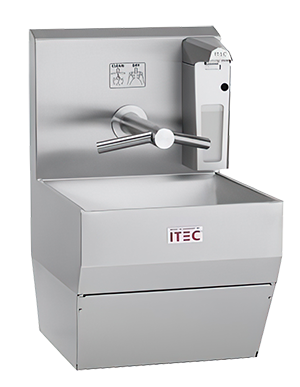
Shawpak are the exclusive distributor in North America for Hygiene Solutions with complete parts and service support.
Product Safety
Our experience in the product inspection industry is essential to the success of our quality assurance program, because we can enhance the safety of your products by detecting contaminants, for the removal, before those products reach your consumers.
Protection and Trust
Protecting your customers, shareholders and brand is your ultimate goal. Ensuring that you have the proper equipment to do the job is ours.
Technical Advisors
Shawpak Systems Technical Advisors will guide you through the best practice options available based on your specific application, acting as your Trusted Advisor.


Personal Care Inspection Machine
A personal care inspection machine is an automated system that detects contamination, foreign objects, and hygiene compliance issues on workers, equipment, or products before they enter production areas. Shawpak Systems Ltd, based in Oakville, Ontario, supplies and distributes these critical systems to food processing facilities, pharmaceutical manufacturers, and industrial plants across North America, helping operations maintain safety standards and prevent costly product recalls.
1. Inspection Machines Detect Multiple Contamination Types Simultaneously
Modern inspection systems do not rely on a single detection method. They combine optical scanning, metal detection, and sometimes thermal imaging to identify contaminants in real time. This matters because a piece of broken glass, metal fragments, or hair can each cause different types of product failure-and a single detection method will miss at least one.
For food processing operations in Oakville and across Canada, the ability to catch multiple hazard types in one pass reduces the need for redundant equipment and manual inspection checkpoints. Shawpak Systems Ltd works with facility managers to specify inspection equipment that matches the specific contamination risks in their process-whether that is detecting metal in packaged meat, foreign objects in prepared foods, or hygiene compliance failures at entry points.
2. Throughput and Line Speed Are Critical Specification Factors
Inspection machines must keep pace with production lines, not slow them down. Systems are rated by packages per minute or items per hour. A slow inspection system creates a bottleneck that forces either line shutdown or the skipping of inspections-both outcomes defeat the purpose of having the equipment.
Typical industrial inspection machines range from 60 to 300+ packages per minute depending on product size, material, and detection complexity. When Shawpak Systems Ltd advises manufacturers and food processing plants, line speed matching is one of the first variables considered. An undersized system saves money upfront but will cost more in lost production time and potential compliance failures. Conversely, oversized capacity creates unnecessary expense. The right choice depends on your actual output volume and growth projections.
3. Integration With Existing Production Systems Requires Planning
A personal care inspection machine does not stand alone. It must connect to conveyor systems, reject mechanisms, data logging platforms, and sometimes facility management networks. Integration complexity is often underestimated and can extend installation timelines significantly.
Shawpak Systems Ltd provides technical advisory services during the equipment selection phase to identify integration points before purchase. This includes assessing whether your current conveyor can support the inspection unit's weight and speed, whether your control systems can accept the machine's output signals, and whether your facility's electrical and compressed air infrastructure can supply the new equipment. Proper planning at this stage prevents expensive retrofitting and production delays after installation. On-site training and demonstration at Shawpak's Centre of Excellence in Oakville allows operations teams to see integration scenarios before committing to purchase.
4. Reject Rates and False Positive Handling Shape Operational Cost
Inspection machines are tuned for sensitivity, but tuning is a trade-off. A more sensitive machine catches smaller contaminants but also generates more false positives-good products flagged and rejected unnecessarily. Over-rejection costs money and creates product loss; under-rejection risks recalls and regulatory action.
Because of this sensitivity, inspection machines are typically calibrated during setup and then monitored continuously. Shawpak Systems Ltd includes parts distribution and after-sales support across Canada and the USA, meaning consumable components like detector lenses, calibration standards, and wear parts are available when they need replacement. Regular maintenance and periodic recalibration keep false positive rates within acceptable ranges while maintaining detection reliability. Many facilities find that a modest false positive rate is preferable to the risk of missing actual contamination, but the exact threshold depends on your product type and tolerance for waste.
5. Regulatory Compliance and Documentation Requirements Are Non-Negotiable
Food processing, pharmaceutical manufacturing, and meat processing operations face strict hygiene and safety regulations. Inspection machines must not only detect contaminants but also maintain audit trails proving that inspections occurred and what was detected. This documentation is essential for regulatory compliance and product liability defense.
Most modern systems log detection events, rejection reasons, and timestamp information automatically. Some integrate with facility management software to flag anomalies or trigger alerts when reject rates exceed thresholds. Shawpak Systems Ltd works with plants to ensure that the inspection equipment they supply generates the data format and documentation your regulatory framework requires. Whether you are subject to FDA, CFIA, or other food safety standards, equipment selection should prioritize compliance capability from the start. Certified after-sales support helps ensure that your system continues to meet documentation standards over its operational life.
If your facility in Oakville or anywhere across North America is evaluating inspection equipment for worker safety, product protection, or hygiene compliance, Shawpak Systems Ltd can help you assess your needs and select the right system. Contact the team to discuss your specific requirements and learn how inspection technology works in operations like yours.
Frequently Asked Questions
What is the difference between optical and metal detection in inspection machines?
Optical detection uses cameras and lighting to identify visible contaminants such as glass, hair, or packaging defects. Metal detection uses electromagnetic fields to find ferrous and non-ferrous metal fragments. Most modern systems combine both methods to catch multiple hazard types in a single pass. The choice between them depends on your contamination risks.
How often do inspection machines need calibration?
Calibration frequency depends on production volume, product type, and environmental conditions. Most facilities calibrate quarterly or semi-annually, and always after maintenance or component replacement. Shawpak Systems Ltd includes guidance on calibration intervals as part of their after-sales support.
Can a personal care inspection machine be retrofitted into an existing production line in Oakville?
Yes, but retrofitting requires assessment of conveyor compatibility, electrical capacity, and control system integration. Shawpak Systems Ltd provides technical consultation to evaluate your line before installation and can coordinate on-site setup to minimize production downtime.
What data do inspection machines record for compliance purposes?
Most systems record timestamps, detection type, rejection reason, and product identification. This data is stored locally or transmitted to facility management software for regulatory reporting. The specific data format required depends on your industry and local food safety or manufacturing standards.
How does reject rate affect the cost of running an inspection machine?
Higher reject rates mean more product is wasted, increasing material cost and reducing yield. False positives are minimized through proper calibration and maintenance. Shawpak Systems Ltd's parts distribution and training programs help keep reject rates within acceptable ranges and ensure your system operates cost-effectively over time.

Products to Suit Your Needs
- Hygiene Equipment
- Product Inspection
- Packaging Equipment
- Training and Demo Facility
- Sealing Equipment
- Custom Conveyors
- Consultant Service
- Direct Drive Technology
- Spare Parts
- Test Samples
Contact US
For general information or to set up an appointment please complete the form below or give us a call.
GENERAL INQUIRIES
Sales (905) 847 0122 EXT 1
Accounting (905) 847 0122 EXT 4