






Welcome To Shawpak Systems Ltd
Established in 1984 Shawpak Systems prides itself on providing high level technical sales and support to our valued customer base. Offering solutions for Product Inspection, Packaging and Hygiene equipment sales and after sales support including certified customer training on site or at our Centre of Excellence training and demonstration facility.
What Our Clients Are Saying
North American Distributor Hygiene Equipment Solutions
Shawpak are the exclusive distributor in North America for Hygiene Solutions with complete parts and service support.
Product Safety
Our experience in the product inspection industry is essential to the success of our quality assurance program, because we can enhance the safety of your products by detecting contaminants, for the removal, before those products reach your consumers.
Protection and Trust
Protecting your customers, shareholders and brand is your ultimate goal. Ensuring that you have the proper equipment to do the job is ours.
Technical Advisors
Shawpak Systems Technical Advisors will guide you through the best practice options available based on your specific application, acting as your Trusted Advisor.


Pipeline Metal Detectors
A pipeline metal detector is an inline inspection system that identifies ferrous, non-ferrous, and stainless steel contaminants as product flows through a processing line, stopping production automatically when metal is detected. Shawpak Systems Ltd supplies and supports pipeline metal detection equipment across North America, helping food processing facilities, pharmaceutical manufacturers, and meat processing operations in Oakville and beyond maintain contamination-free production.
This guide walks you through the essential steps to select, install, and operate a pipeline metal detector system in your facility. By following these steps, you will establish a robust contamination prevention protocol that meets industry standards, protects your brand reputation, and keeps your production line efficient.
Step 1: Assess Your Product Specifications and Line Requirements
Before selecting equipment, document the physical and chemical properties of the product moving through your pipeline. Record the product's density, moisture content, temperature during processing, and whether it contains any conductive ingredients such as salt or spices that can interfere with detection sensitivity. These factors directly determine which metal detector technology and aperture size will work in your line.
Next, measure your pipeline diameter and flow rate. Metal detectors come in standard aperture sizes ranging from 25 mm to 100 mm or larger for high-volume applications. Your flow velocity and product consistency will determine whether you need a single-frequency or multi-frequency system. Shawpak Systems Ltd provides technical advisory services to help you map these specifications accurately, ensuring the equipment you choose performs reliably under your exact operating conditions.
Step 2: Select the Appropriate Metal Detector Technology
Pipeline metal detectors operate using either balanced coil or ferrous-in-product (FIP) technology. Balanced coil systems detect all three metal types-ferrous, non-ferrous, and stainless steel-with equal sensitivity and work well in most food and pharmaceutical applications. FIP technology enhances ferrous detection in high-salt or high-mineral products where conductive background noise would otherwise mask smaller ferrous particles. Choose balanced coil if product contamination risk is unpredictable; choose FIP if your greatest risk is ferrous contamination from machinery wear.
Sensitivity settings are critical. Most food processing facilities require detection of ferrous spheres as small as 1.5 mm to 2.0 mm diameter, non-ferrous particles at 2.5 to 3.0 mm, and stainless steel at 3.0 to 4.0 mm. Shawpak Systems' Centre of Excellence demonstration facility in Oakville allows you to test equipment with samples of your actual product before purchase, eliminating guesswork and confirming detection performance under real-world conditions.
Industry standard: Most regulatory frameworks require detection capability down to 2.0 mm ferrous and 3.0 mm non-ferrous spheres to meet product safety and recall prevention requirements.
Step 3: Plan Installation Location and Pipeline Modifications
Install the metal detector on a vertical section of pipeline whenever possible, as gravity helps ensure consistent product contact with the detection coil and prevents settling of metallic particles. If your layout requires horizontal installation, include a gentle slope (at least 10 degrees) in the downstream direction. Avoid locations where product backup or pooling can occur, as stagnant product reduces detection reliability.
Measure the space available and confirm that your pipeline diameter matches the detector aperture. Shawpak Systems Ltd technicians can advise whether your existing pipeline configuration permits direct installation or whether you need sanitary tees, reducers, or custom flanging. For facilities in Oakville and throughout Ontario, on-site technical consultation ensures your installation plan complies with your facility's sanitation standards and production layout before any equipment arrives.
Step 4: Install Rejection and Bypass Systems
A metal detector without automatic rejection capability creates liability rather than protection. Configure an automated rejection system-either a pneumatic gate valve or mechanical diverter-downstream of the detector. When metal is detected, the system must divert contaminated product away from finished goods within 0.5 to 2 seconds depending on your line speed. Size the rejection vessel or bypass line to accommodate the volume of product in the pipeline during rejection events.
Include a manual bypass valve for maintenance and startup procedures, and install isolation valves on both sides of the detector to permit safe cleaning and servicing without shutting down the entire line. Pressure relief valves protect the system if product backs up during rejection. Shawpak Systems provides installation guidance and trained technicians who can verify your rejection system functions correctly before production begins.
Step 5: Calibrate Sensitivity and Establish Reference Standards
Once installed, calibrate the detector using reference test spheres of known materials and sizes. Run a ferrous sphere (typically 2.0 mm), non-ferrous sphere (3.0 mm), and stainless steel sphere (3.5 mm) through the detector at operating temperature and flow rate. Record the signal response for each metal type. Adjust sensitivity so that all three reference spheres trigger rejection consistently, with margin above the detection threshold to account for normal signal variation.
Document your calibration results and establish a weekly verification protocol using the same reference spheres. Create a simple log sheet showing the date, time, operator, and pass/fail outcome for each test sphere. This record demonstrates compliance during audits and helps you identify detector drift before it becomes a production risk. Shawpak Systems' after-sales support includes calibration verification and recalibration services across Canada and the USA if your in-house team requires additional expertise.
Step 6: Integrate with Your Production Management System
Modern pipeline metal detectors output alarm signals-either dry relay contacts, analog 4-20 mA signals, or networked digital signals-that interface with your production control system. Decide how you want to respond: stop the entire line, divert product to a holding area, or log the event for review. Configure your programmable logic controller (PLC) or production monitoring system to receive the detector signal and execute your chosen response automatically.
Set alarm thresholds for sensitivity drift. If your detector's baseline signal starts drifting beyond plus or minus 10 percent over successive weeks, that is often an early warning of coil fouling or electronic drift. Configure your system to alert operators so that cleaning or maintenance can be scheduled before detection capability degrades. Train your production team on interpreting these signals and performing emergency response procedures.
Step 7: Conduct On-Site Training and Establish Maintenance Protocols
Schedule formal on-site training with your operations team, plant managers, and maintenance supervisors before the system goes live. Cover normal operation, weekly verification procedures, common alarm conditions and troubleshooting, how to safely bypass the detector during maintenance, and when to contact technical support. Shawpak Systems Ltd includes comprehensive on-site training as part of equipment installation, and your team will understand not just how to run the system, but how to diagnose problems quickly.
Establish a maintenance schedule that includes monthly sensitivity verification, quarterly coil inspection for product residue or scaling, and annual professional recalibration. Keep spare parts inventory for high-wear components such as gaskets, seals, and air solenoids so rejection system failures do not halt production. Document all service in a logbook tied to your equipment records, creating an audit trail that demonstrates consistent contamination prevention effort.
Shawpak Systems Ltd is here to partner with you beyond the sale. Whether you are located in Oakville, serve facilities across Ontario, or operate plants throughout North America, our certified technical team provides parts distribution, troubleshooting support, and preventive maintenance guidance to keep your pipeline metal detection system performing reliably. If you would like to discuss your facility's contamination prevention requirements or schedule a demonstration with your actual product, contact us for a consultation with one of our technical advisors.
Frequently Asked Questions
What size metal particles does a pipeline detector need to catch for food safety compliance?
Most regulatory standards and customer requirements mandate detection of ferrous particles at 2.0 mm diameter or smaller, non-ferrous at 3.0 mm, and stainless steel at 3.5 to 4.0 mm. Your specific threshold depends on your product type, customer contracts, and risk assessment. Shawpak Systems can help you determine the appropriate detection threshold for your operation.
Can I install a pipeline metal detector on a horizontal pipeline in Oakville?
Yes, but it is not ideal. Metal detectors work best on vertical pipelines where gravity assists consistent product contact with the detection coil. If horizontal installation is necessary, include at least a 10-degree slope and ensure product does not pool or settle. Shawpak Systems' on-site technical team can evaluate your facility layout and recommend the best mounting configuration.
How often should I test my pipeline metal detector to ensure it is working?
Run a weekly verification using reference test spheres of known materials and sizes-ferrous, non-ferrous, and stainless steel. Monthly sensitivity checks and quarterly coil inspections are also recommended. Annual professional recalibration by a qualified technician ensures long-term accuracy. Shawpak Systems provides calibration services and support to help you maintain a reliable testing schedule.
What happens when metal is detected-does the whole production line shut down?
No. A properly installed system diverts contaminated product to a holding area or bypass vessel within 0.5 to 2 seconds while allowing clean product to continue to finished goods. This minimizes production loss while protecting your customers. Your response can be fully automated through integration with your PLC or production control system. Shawpak Systems can configure both the rejection hardware and the control system logic to match your facility's requirements.



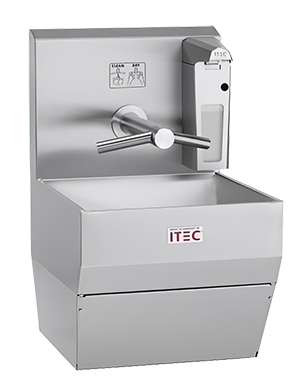
Products to Suit Your Needs
- Hygiene Equipment
- Product Inspection
- Packaging Equipment
- Training and Demo Facility
- Sealing Equipment
- Custom Conveyors
- Consultant Service
- Direct Drive Technology
- Spare Parts
- Test Samples
Contact US
For general information or to set up an appointment please complete the form below or give us a call.
GENERAL INQUIRIES
Sales (905) 847 0122 EXT 1
Accounting (905) 847 0122 EXT 4