






Welcome To Shawpak Systems Ltd
Established in 1984 Shawpak Systems prides itself on providing high level technical sales and support to our valued customer base. Offering solutions for Product Inspection, Packaging and Hygiene equipment sales and after sales support including certified customer training on site or at our Centre of Excellence training and demonstration facility.
What Our Clients Are Saying
North American Distributor Hygiene Equipment Solutions
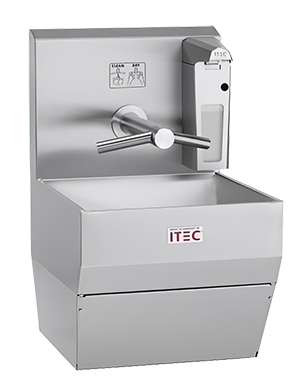
Shawpak are the exclusive distributor in North America for Hygiene Solutions with complete parts and service support.
Product Safety
Our experience in the product inspection industry is essential to the success of our quality assurance program, because we can enhance the safety of your products by detecting contaminants, for the removal, before those products reach your consumers.
Protection and Trust
Protecting your customers, shareholders and brand is your ultimate goal. Ensuring that you have the proper equipment to do the job is ours.
Technical Advisors
Shawpak Systems Technical Advisors will guide you through the best practice options available based on your specific application, acting as your Trusted Advisor.


Powder Metal Detectors
A powder metal detector is a specialized inspection system designed to identify ferrous, non-ferrous, and stainless steel contamination in dry ingredients, powders, and granular products before they reach packaging or consumers. If you work in food processing, pharmaceuticals, or manufacturing in Oakville or across North America, understanding how to properly deploy and maintain this equipment is essential to protecting your product quality and meeting regulatory standards.
Shawpak Systems Ltd, based in Oakville, Ontario, has spent decades helping facilities across Canada and the USA select, install, and operate contamination detection systems tailored to their specific production lines. This guide walks you through the process step by step, so you can make an informed decision and implement the right solution for your operation.
Step 1: Assess Your Product Type and Production Line Requirements
Start by understanding exactly what you need to protect. Powder and dry goods vary widely in density, moisture content, and particle size, and each characteristic affects how a metal detection system will perform. Walk your production line with a clear eye: Where does contamination most commonly enter? At what stage are ingredients most vulnerable? For food processing facilities in Oakville and beyond, this is often between raw ingredient arrival and the packaging stage.
Document your typical batch size, throughput speed (how many kilograms or pounds per minute move through your line), and the specific metals you need to catch. Iron filings, aluminum shavings, and stainless steel fragments each require different detection sensitivity. Shawpak Systems Ltd works with you to map these details before recommending equipment, because a system that works perfectly for one facility may underperform at another.
Step 2: Choose the Right Detection Method and Sensitivity Level
Metal detection technology comes in several configurations. The most common approach for powders involves a fall-through chute or inline pipeline system where product passes through an electromagnetic field. The field strength and frequency determine what size and type of metal fragments the system can reliably catch. For pharmaceutical and food processing operations, you typically need to detect fragments as small as 2.0 to 3.0 millimeters, though some applications demand sensitivity down to 1.0 millimeter.
Your choice of sensitivity level affects both the system's cost and its reliability. Higher sensitivity catches smaller contaminants but can also increase false reject rates if your product itself has naturally conductive properties. This is where technical advisory support makes a real difference. Shawpak Systems Ltd operates a Centre of Excellence demonstration facility where you can test candidate systems with your actual product before purchase, removing the guesswork from the decision.
Step 3: Plan Installation and Integration with Your Existing Line
Once you have selected your equipment, installation must be planned carefully. The detector needs to be positioned so that every bit of product passes through the detection zone without bypass routes. For powder systems, this often means mounting the unit at a slight angle to maintain consistent product flow, or integrating it into your existing conveyor or chute infrastructure.
Consider how rejected product will be handled. Most systems include an automatic divert gate or chute that separates contaminated batches from good product. You will also need to account for regular calibration checks and maintenance access. Shawpak Systems Ltd provides on-site installation and training across Canada and the USA, ensuring your system is positioned correctly and your team understands daily operation before you begin full production.
Step 4: Establish a Calibration and Testing Schedule
Metal detectors drift over time due to temperature changes, vibration, and normal wear. Once your system is live, you must run test fragments-small pieces of iron, aluminum, and stainless steel of known size-through the detector at least daily or at the start of each production shift. This confirms the system is still functioning at its target sensitivity.
Keep a log of every test run and any adjustments made. Many regulatory frameworks for food processing and pharmaceuticals now require documented proof that contamination detection is working. Shawpak Systems Ltd includes comprehensive after-sales support and parts distribution, so when your system needs recalibration or a component replacement, certified technicians are available across North America to keep your operation running without unplanned downtime.
Step 5: Train Your Team and Document Procedures
Your operators need to know how to run the system, recognize alarm conditions, and respond when contamination is detected. Create clear, written procedures for daily startup, testing, and shutdown. Include troubleshooting steps so that staff can quickly identify whether an alarm is a genuine contamination event or a system fault.
Shawpak Systems Ltd delivers on-site training as part of its service commitment. Your team will learn not only how to operate the equipment but also how to interpret results and maintain it properly. Well-trained staff catch problems early and reduce the risk of contaminated product reaching the market.
If you operate a food processing, pharmaceutical, manufacturing, or meat processing facility anywhere in Canada or the USA, and you need a trusted partner to help you select, install, and maintain contamination detection equipment, Shawpak Systems Ltd is ready to help. Reach out to discuss your specific requirements and how their technical expertise and demonstration facilities can give you confidence in your contamination control strategy.
Frequently Asked Questions
What size metal contamination can a powder metal detector reliably catch?
Most industrial-grade systems detect metal fragments as small as 2.0 to 3.0 millimeters, with high-sensitivity configurations capable of catching fragments down to 1.0 millimeter or smaller. The actual detection limit depends on the type of metal, the density and moisture of your product, and the system's operating frequency. Shawpak Systems Ltd can test your specific product during a demonstration to confirm the detection threshold your operation will achieve.
How often do powder metal detectors need calibration and testing in Oakville facilities?
Daily testing with known metal test fragments is the industry standard, typically performed at the start of each shift or production batch. Monthly or quarterly professional calibration by a certified technician helps maintain long-term accuracy and compliance with food safety regulations. Shawpak Systems Ltd provides after-sales support and certified technicians across Canada and the USA to keep your system operating at peak sensitivity.
Can a metal detector slow down my production line?
No, when properly sized and installed, a contamination detection system operates at your line speed with minimal slowdown. Modern systems are designed to handle throughput rates of hundreds to thousands of kilograms per hour. However, the system must be matched to your actual production volume; undersized equipment can become a bottleneck. Shawpak Systems Ltd assesses your throughput requirements during the selection process to ensure the system keeps pace with your operation.
What happens when a powder metal detector finds contamination?
The system triggers an alarm and automatically diverts the contaminated batch into a separate chute or holding bin using a solenoid-controlled gate. Your operators are alerted through visual and audible signals so they can stop production, investigate the source of contamination, and quarantine the affected product. Clear procedures and staff training ensure consistent response and prevent contaminated goods from reaching customers.




Products to Suit Your Needs
- Hygiene Equipment
- Product Inspection
- Packaging Equipment
- Training and Demo Facility
- Sealing Equipment
- Custom Conveyors
- Consultant Service
- Direct Drive Technology
- Spare Parts
- Test Samples
Contact US
For general information or to set up an appointment please complete the form below or give us a call.
GENERAL INQUIRIES
Sales (905) 847 0122 EXT 1
Accounting (905) 847 0122 EXT 4