






Welcome To Shawpak Systems Ltd
Established in 1984 Shawpak Systems prides itself on providing high level technical sales and support to our valued customer base. Offering solutions for Product Inspection, Packaging and Hygiene equipment sales and after sales support including certified customer training on site or at our Centre of Excellence training and demonstration facility.
What Our Clients Are Saying
North American Distributor Hygiene Equipment Solutions
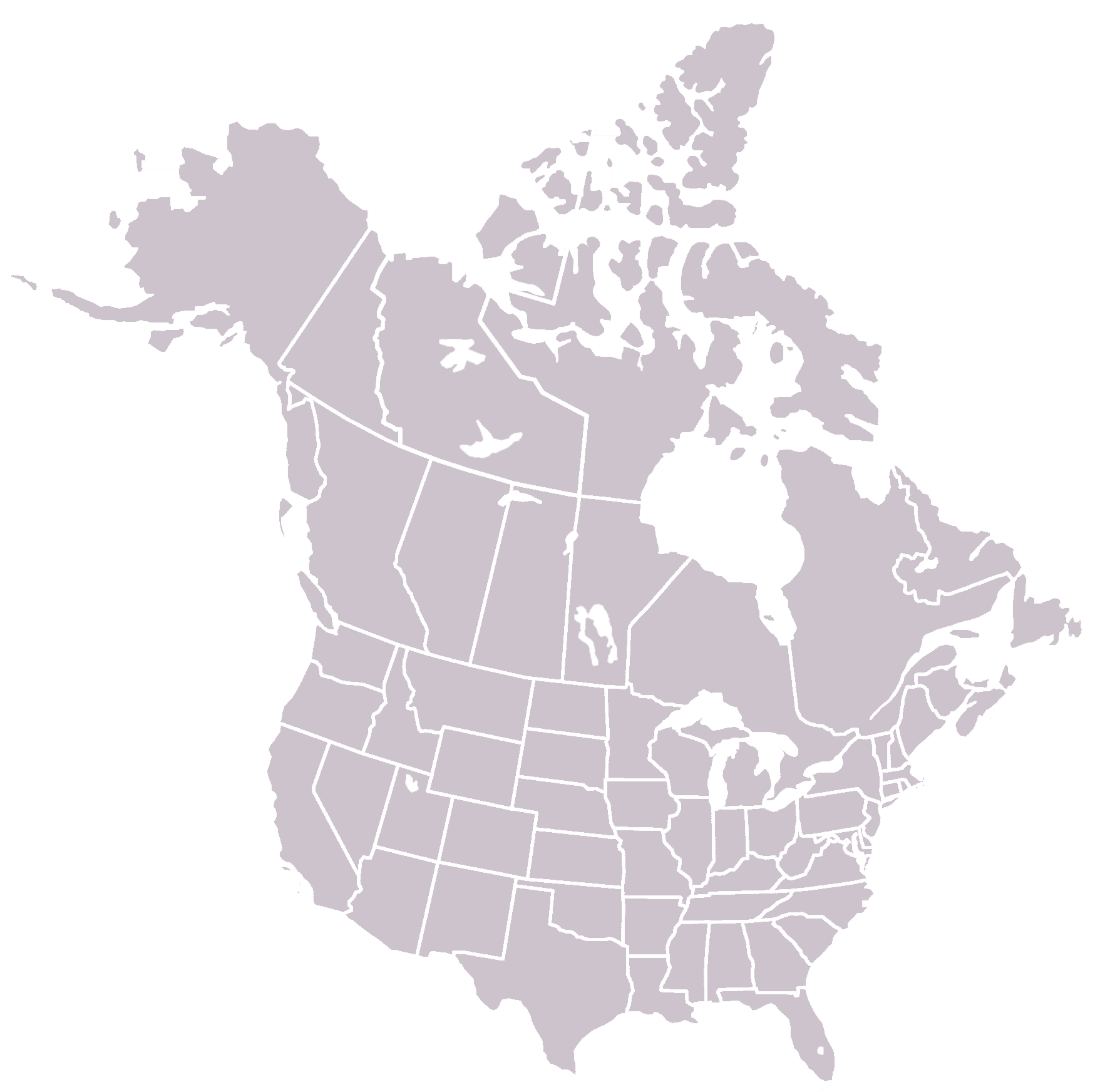
Shawpak are the exclusive distributor in North America for Hygiene Solutions with complete parts and service support.
Product Safety
Our experience in the product inspection industry is essential to the success of our quality assurance program, because we can enhance the safety of your products by detecting contaminants, for the removal, before those products reach your consumers.
Protection and Trust
Protecting your customers, shareholders and brand is your ultimate goal. Ensuring that you have the proper equipment to do the job is ours.
Technical Advisors
Shawpak Systems Technical Advisors will guide you through the best practice options available based on your specific application, acting as your Trusted Advisor.

Shrink Packaging Machine
A shrink packaging machine is an automated system that wraps products in heat-shrink film and applies controlled heat to create a tight, protective seal. Shawpak Systems Ltd has supplied these machines to food processing facilities, pharmaceutical manufacturers, and industrial operations across North America since 1984, helping production teams achieve faster throughput, consistent package quality, and reduced material waste.
Whether you operate a meat processing facility in Oakville, a beverage manufacturer across Ontario, or a pharmaceutical operation anywhere in the continental United States, the right shrink wrapping equipment directly impacts your production efficiency, product presentation, and shelf-life protection. This guide explains the technology, the selection process, and how to integrate these systems into your facility.
How Shrink Wrapping Equipment Functions
Modern shrink packaging systems operate through a standardized three-stage process: film application, sealing, and heat shrinkage. Understanding each phase helps you evaluate equipment specifications and predict performance in your own facility.
The film application stage positions pre-formed or rolled shrink film around your product. Depending on your product dimensions and production speed, this can occur through L-bar sealing (where the film is cut and formed around the item in a vertical orientation) or sleeve wrapping (where the product passes through a pre-formed film tube). L-bar machines excel at accommodating variable product sizes and are common in food processing and meat operations. Sleeve systems deliver higher speeds-often 60 to 100 packages per minute-and work best for uniform products like pharmaceutical boxes or standardized consumer packages.
The sealing stage creates an airtight closure. Heat-sealing bars melt the overlapping film edges together, typically reaching temperatures between 200 and 280 degrees Celsius. The sealing width and dwell time (how long the bars hold the film together) determine seal strength. Inconsistent sealing causes package failure, product exposure, and customer complaints; this is why equipment calibration and operator training matter.
Heat shrinkage occurs in a dedicated tunnel or chamber where infrared elements or forced hot air (typically 120 to 180 degrees Celsius) cause the film to contract tightly around the product. The shrinkage ratio of the film itself-usually between 50 and 60 percent in both directions-determines how aggressively the material tightens. Food products and pharmaceuticals often require aggressive shrinkage to prevent tampering and contamination; fragile items may need gentler settings to avoid compression damage.
Production speed, product vulnerability, and your facility's space constraints determine which configuration serves you best. Shawpak Systems Ltd works with manufacturers throughout Oakville and across North America to match machine specifications to your actual output targets and product characteristics.
Selection Criteria and Integration Planning
Choosing the correct shrink wrapping solution requires you to assess four key variables: throughput demand, product dimensions and fragility, film type compatibility, and long-term maintenance accessibility.
Throughput and line speed directly govern machine selection. If your facility in Oakville or elsewhere must process 40 units per minute, a semi-automatic L-bar sealer at 15 to 20 cycles per minute will create bottlenecks. A fully automatic sleeve system delivering 80+ packages per minute may be overkill if your current demand is modest but will support growth. Oversizing is costly; undersizing delays production and frustrates your team. Shawpak Systems helps you model realistic speeds based on your current volume, seasonal peaks, and planned expansion.
Product characteristics dictate the film gauge (thickness) and shrinkage aggressiveness. Delicate baked goods, fresh meat, and pharmaceuticals tolerate only gentle heat; heavy metal components or dense food products can withstand aggressive shrinkage without damage. The film itself comes in polyethylene (PE, most common for food), polyvinyl chloride (PVC, clear and durable for pharmaceutical and retail items), or specialty blends. Each has different shrink rates, clarity, and seal-strength properties. Selecting the wrong film for your product leads to failed seals, visible product damage, or excessive material cost.
Installation footprint and utility integration are practical realities. A fully automatic shrink wrapping system requires 240-volt three-phase electrical supply, adequate ventilation to expel heat from the shrinkage chamber, and floor space-typically 3 to 4 meters long and 1 to 2 meters wide depending on the model. Facilities in Oakville with existing conveyor lines can integrate new equipment inline; standalone operations need stand-alone tables or modest conveyor feeds. Poor ventilation causes inconsistent shrinkage and raises ambient temperature, affecting worker comfort and product stability.
After-sales support and spare parts availability determine your equipment's true cost of ownership. Sealing bars wear out, heating elements fail, and film drive motors require maintenance. Shawpak Systems maintains a dedicated parts distribution network and certified technicians across Canada and the United States, ensuring your equipment stays productive rather than sitting idle waiting for service.
Practical Recommendations for Implementation
- Request a demonstration at your facility or at Shawpak Systems' Centre of Excellence before purchase. Seeing your actual products shrink-wrapped under controlled conditions eliminates guesswork about heat settings, film selection, and cycle timing.
- Budget for operator training. Even reliable equipment produces defects if your team does not understand film threading, temperature calibration, and troubleshooting. Shawpak Systems provides on-site training to ensure your staff can maximize uptime and detect early signs of wear.
- Start with a trial film from your selected supplier. Small variations in film composition-even from different production batches-can affect shrink rates and seal strength. Confirming compatibility before full-scale deployment prevents costly production surprises.
- Establish a preventive maintenance schedule. Cleaning the heat tunnel monthly, replacing sealing bar covers every 6 to 12 months, and checking belt tension quarterly extends equipment life and reduces emergency repairs. Document all service to track patterns and predict component failure.
- Monitor shrinkage consistency by retaining sample packages from each shift. Visual and tactile inspection catches seal failures and heat setting drift before they affect your entire batch.
Shrink wrapping equipment represents a significant capital investment, but the return comes through faster production cycles, dramatically reduced packaging labor, and professional-grade protection that strengthens your market position. Whether you operate in Oakville, across Ontario, or anywhere in North America, the technology is straightforward once you understand your specific needs and match them to proven equipment.
Shawpak Systems has guided hundreds of manufacturers and food processors through this selection and integration process. If you are evaluating shrink packaging machinery for your facility, our technical team is ready to discuss your production requirements, review your product specifications, and recommend the right solution. Contact Shawpak Systems to schedule a consultation or visit our Centre of Excellence demonstration facility.
Frequently Asked Questions
What is the difference between L-bar and sleeve shrink wrapping systems?
L-bar systems seal and cut film around each product individually, making them flexible for variable product sizes and slower production runs (15-30 packages per minute). Sleeve systems feed products through pre-formed film tubes and deliver higher speeds (60-100+ packages per minute) but require uniform product dimensions. L-bar suits custom or small-batch operations; sleeve suits high-volume standardized production.
Which shrink film material is best for food products?
Polyethylene (PE) is the industry standard for food packaging because it withstands moisture, offers excellent seal strength, and is cost-effective. Polyvinyl chloride (PVC) provides superior clarity and durability for premium retail presentation but is less common in food-processing environments due to regulatory considerations in some jurisdictions. Your equipment supplier should confirm compatibility with your specific product category.
How do I know if a shrink packaging machine will fit in my Oakville facility?
Most fully automatic systems require 3 to 4 meters of floor length and 1 to 2 meters of width, plus space for incoming product and outgoing boxed goods. Shawpak Systems conducts site assessments to measure your available space, evaluate electrical supply and ventilation, and recommend equipment that integrates with your existing layout without major facility modifications.
What maintenance does a shrink wrapping system require?
Monthly cleaning of the heat tunnel, replacement of sealing bar covers every 6 to 12 months, and quarterly belt tension checks are standard. Shawpak Systems provides parts distribution and certified after-sales support across North America to keep your equipment running reliably and to train your team on preventive care.
How long does it take to see a return on investment for shrink packaging equipment?
Most facilities reduce packaging labor by 60 to 80 percent and increase throughput by 40 to 200 percent, depending on current methods and production scale. The payback timeline varies with your volume and labor costs, but many operations achieve full ROI within 18 to 36 months. Shawpak Systems can model projections for your specific scenario during consultation.
Can shrink wrapping equipment handle fragile products without damage?
Yes, by adjusting heat intensity and shrinkage aggressiveness. Delicate baked goods, fresh produce, and pharmaceuticals require lower chamber temperatures (120-140 degrees Celsius) and gentler film selections. Demonstration and trial runs with your actual products determine the right settings before production deployment.
Where can I see shrink packaging machines in operation near me?
Shawpak Systems operates a Centre of Excellence demonstration facility where you can observe equipment running your product samples under controlled conditions. This hands-on evaluation eliminates uncertainty about heat settings, film compatibility, and cycle timing before you commit to purchase. Contact Shawpak to arrange a visit.


Products to Suit Your Needs
- Hygiene Equipment
- Product Inspection
- Packaging Equipment
- Training and Demo Facility
- Sealing Equipment
- Custom Conveyors
- Consultant Service
- Direct Drive Technology
- Spare Parts
- Test Samples
Contact US
For general information or to set up an appointment please complete the form below or give us a call.
GENERAL INQUIRIES
Sales (905) 847 0122 EXT 1
Accounting (905) 847 0122 EXT 4