






Welcome To Shawpak Systems Ltd
Established in 1984 Shawpak Systems prides itself on providing high level technical sales and support to our valued customer base. Offering solutions for Product Inspection, Packaging and Hygiene equipment sales and after sales support including certified customer training on site or at our Centre of Excellence training and demonstration facility.
What Our Clients Are Saying
North American Distributor Hygiene Equipment Solutions
Shawpak are the exclusive distributor in North America for Hygiene Solutions with complete parts and service support.
Product Safety
Our experience in the product inspection industry is essential to the success of our quality assurance program, because we can enhance the safety of your products by detecting contaminants, for the removal, before those products reach your consumers.
Protection and Trust
Protecting your customers, shareholders and brand is your ultimate goal. Ensuring that you have the proper equipment to do the job is ours.
Technical Advisors
Shawpak Systems Technical Advisors will guide you through the best practice options available based on your specific application, acting as your Trusted Advisor.


Soap Packaging Machine
A soap packaging machine is an automated or semi-automated system designed to portion, wrap, seal, and label soap products for retail or industrial distribution. Shawpak Systems Ltd supplies and supports these machines across North America, helping manufacturers in Oakville, throughout Ontario, and across Canada optimize their packaging operations while maintaining hygiene standards and production efficiency.
This guide walks you through the essential steps to operate packaging equipment effectively, from initial setup through troubleshooting. Whether you are managing a small manufacturing facility or a larger production operation, understanding the mechanics and procedures ensures consistent output, reduces product damage, and maximizes your equipment investment.
Step 1: Inspect and Prepare the Equipment Before Startup
Begin by conducting a visual inspection of all components. Check that the conveyor belt is clean, free of debris, and properly tensioned. Verify that all moving parts operate smoothly by manually rotating the drive wheels and inspecting for obstructions. Confirm that electrical connections are secure and the control panel displays no error codes at rest.
Next, verify that all consumables are in place: film rolls or wrapping material should be loaded into their designated feeders, sealing bars should be clean and aligned, and any labeling adhesive or ink reservoirs should be filled to the marked line. Shawpak Systems provides on-site training to familiarize your team with your specific machine's layout and safety requirements, ensuring you understand what to check before each production run.
Step 2: Configure the Soap Packaging Machine Settings for Your Product Specifications
Access the control panel and input your product parameters: length and width dimensions, weight per unit, desired wrapping material thickness, and sealing temperature. These settings determine how the machine meters product onto the conveyor, applies wrapping material, and executes heat sealing. Consult your equipment manual or the calibration charts provided by Shawpak Systems to ensure values fall within the manufacturer's recommended range.
Set the conveyor speed in units per minute based on your production target. A slower speed (typically 10-20 units per minute for smaller soap bars) allows more precision; faster speeds (30-60+ units per minute) suit high-volume facilities. Once entered, run a test cycle with no product to observe the machine's motion, verify that material advances correctly, and confirm that sealing occurs at the intended location.
Step 3: Load Product and Run a Test Batch
Feed a small quantity of soap bars into the hopper or input station. The machine's metering system should portion each unit onto the conveyor belt at your configured interval. Watch the first 5-10 units pass through the wrapping, sealing, and labeling stations without intervention to identify any misalignment or material feeding issues before full production.
Inspect the first wrapped units for seal integrity, label placement, and overall finish. If the seal appears weak or the label is offset, stop the machine, adjust the relevant parameter slightly, and test again. This iterative approach prevents waste and ensures every unit meets your quality standard. Shawpak Systems' technical support team is available to assist if adjustments do not resolve the issue.
Step 4: Monitor Production and Perform Routine Maintenance During Shifts
During full production, observe the machine at regular intervals-at minimum every 30 minutes for high-speed operations. Check that material is feeding smoothly, product is advancing without jams, and wrapped units are stacking or being conveyed to the next station correctly. Keep a production log noting the start time, units produced per hour, any stoppages, and their duration.
Perform routine maintenance between batches: wipe sealing bars with a lint-free cloth to remove any adhesive or film residue, verify that the conveyor remains clean and properly tensioned, and inspect heat sealing elements for signs of wear. A well-maintained machine delivers consistent output and reduces unexpected downtime. Shawpak Systems provides parts distribution and certified after-sales support across Canada and the USA, so replacement components and expert guidance are accessible when needed.
Step 5: Troubleshoot Common Issues and Document Resolution
Weak seals, misaligned wrapping, or product jams are the most frequent operational problems. For weak seals, increase sealing temperature by 5-10 degrees Fahrenheit and retest; if the issue persists, the sealing bar may require replacement. For wrapping misalignment, verify that material is threaded correctly through all guides and that the conveyor speed has not drifted from your target setting.
If the machine stops unexpectedly, check the emergency stop button, clear any product obstructing the conveyor, and examine the control panel for error messages. Document what caused each stoppage and how long it took to resume production; this information helps identify patterns and guides preventive maintenance decisions. When complex issues arise, Shawpak Systems' technical advisory team can review your operation remotely or arrange on-site support to restore full productivity quickly.
Operating packaging equipment effectively requires attention to setup, configuration, monitoring, and maintenance. By following these steps and partnering with a supplier who understands your facility's needs, you achieve reliable, high-quality output while minimizing downtime. If you would like to discuss equipment selection, training, or ongoing support for your Oakville or North American operation, Shawpak Systems welcomes the opportunity to learn about your production goals and recommend a solution tailored to your business.
Frequently Asked Questions
What is the typical production speed of a soap packaging machine?
Production speed varies by machine model and product size. Small soap bars typically run at 20-50 units per minute, while larger formats may run at 10-30 units per minute. High-speed industrial systems can exceed 60 units per minute. Shawpak Systems helps you select equipment matched to your target output and provides technical guidance to optimize speed without sacrificing seal quality.
Are there packaging equipment suppliers serving Oakville with technical training?
Yes, Shawpak Systems Ltd is based in Oakville, Ontario and operates a Centre of Excellence demonstration facility where you can see equipment in operation and receive on-site training. Their technical team serves manufacturing and food processing facilities throughout Oakville and across North America with equipment selection, setup, and certified after-sales support.
What should I do if my packaging equipment keeps jamming?
First, stop the machine and clear any trapped product or material fragments from the conveyor and feed mechanisms. Verify that product dimensions match your configured settings and that the conveyor speed is not set too high. Check that wrapping material is threaded correctly and that there are no tears in the film. If jams continue, contact Shawpak Systems' technical support team to inspect sealing bars, verify belt tension, or diagnose mechanical wear.



Products to Suit Your Needs
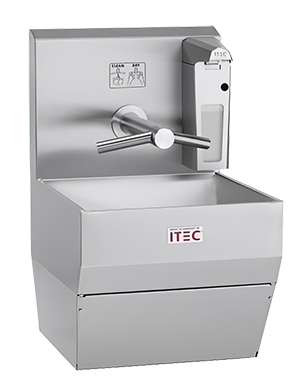
- Hygiene Equipment
- Product Inspection
- Packaging Equipment
- Training and Demo Facility
- Sealing Equipment
- Custom Conveyors
- Consultant Service
- Direct Drive Technology
- Spare Parts
- Test Samples
Contact US
For general information or to set up an appointment please complete the form below or give us a call.
GENERAL INQUIRIES
Sales (905) 847 0122 EXT 1
Accounting (905) 847 0122 EXT 4