






Welcome To Shawpak Systems Ltd
Established in 1984 Shawpak Systems prides itself on providing high level technical sales and support to our valued customer base. Offering solutions for Product Inspection, Packaging and Hygiene equipment sales and after sales support including certified customer training on site or at our Centre of Excellence training and demonstration facility.
What Our Clients Are Saying
North American Distributor Hygiene Equipment Solutions
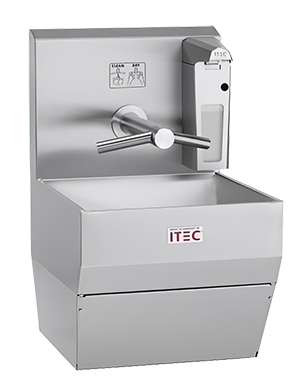
Shawpak are the exclusive distributor in North America for Hygiene Solutions with complete parts and service support.
Product Safety
Our experience in the product inspection industry is essential to the success of our quality assurance program, because we can enhance the safety of your products by detecting contaminants, for the removal, before those products reach your consumers.
Protection and Trust
Protecting your customers, shareholders and brand is your ultimate goal. Ensuring that you have the proper equipment to do the job is ours.
Technical Advisors
Shawpak Systems Technical Advisors will guide you through the best practice options available based on your specific application, acting as your Trusted Advisor.


Tablet Metal Detectors
A tablet metal detector is a specialized screening system designed to identify ferrous and non-ferrous metal contamination in solid products, tablets, capsules, and compressed items before they reach consumers or downstream processes. At Shawpak Systems Ltd, we understand that metal contamination in pharmaceutical, nutraceutical, and food manufacturing represents both a safety liability and a regulatory compliance challenge-which is why we have made contamination detection equipment and technical expertise core to what we do across North America.
1. How Detection Systems Work in Modern Production Lines
These systems operate by passing products through an electromagnetic field. When a metal particle passes through the detection zone, it disrupts the field balance and triggers an alarm or product rejection mechanism. The sensitivity is adjustable, allowing you to tune detection thresholds based on product size, density, and the specific metals you need to catch. Different products require different calibration-a small pharmaceutical tablet demands higher sensitivity than a larger capsule.
Shawpak Systems' role is not simply to supply the equipment; we provide technical advisory to help you understand what sensitivity levels your operation actually needs. Overtuning creates false rejections and production waste. Undertuning leaves you exposed. Our on-site consultation helps you find that balance before installation.
2. Ferrous vs. Non-Ferrous Detection Capability
Not all detection systems catch the same metals. Ferrous detectors identify iron and steel contamination-the most common type from machinery wear or tool breakage. Non-ferrous systems detect aluminium, copper, brass, and other non-magnetic metals. The most robust installations use both technologies running in parallel, or a combined system capable of detecting across the full spectrum.
Your choice depends on your facility's contamination risk profile. A tablet compression operation with steel tooling faces higher ferrous risk. A facility packaging products in aluminium foil or handling copper piping faces non-ferrous exposure. Shawpak Systems helps you audit your process and recommend the right detection configuration rather than selling you equipment you do not need.
3. Product Type and Detection Accuracy Requirements
Tablet metal detectors are purpose-built for solid, discrete products. They work efficiently on tablets, capsules, compressed powders, and similar items moving along a conveyor. Accuracy depends on consistent product presentation-tablets should move through in single file, and product density should remain relatively uniform. If your tablets vary significantly in size or composition, detection becomes less reliable because the system cannot distinguish between density variation and actual metal presence.
Liquid or paste products require different detection technologies altogether. Pharmaceutical manufacturers in particular need to be clear about product state before selecting equipment. Shawpak Systems supplies detection systems matched to what you actually produce, and we will tell you honestly if a tablet detector is not the right fit for your product line.
4. False Rejection Rate and Production Efficiency
False positives are a real operational cost. Every time a good product is ejected because the system mistakes a density variation for metal, you lose saleable product and create downstream waste handling. Modern systems are tuned to keep false rejection rates below 2 percent, but this depends entirely on proper calibration and product consistency.
The systems we source and install at Shawpak Systems include software that learns your product signature over time, reducing false positives through pattern recognition. Our on-site training ensures your team knows how to monitor performance and adjust sensitivity without stopping production. That capability prevents the frustration of overly aggressive detection that costs more in lost product than it saves in contamination prevention.
5. Integration with Existing Conveyor and Automation Systems
Detection systems do not work in isolation. They must integrate seamlessly with your existing conveyor line, reject mechanisms, and control logic. If your system triggers an alarm, the reject gate has to function reliably, and your PLC or control system has to log the event accurately for traceability and recall management.
This is where technical expertise becomes critical. Shawpak Systems does not simply drop equipment on your dock. We assess your current line architecture, design integration points, coordinate electrical and mechanical connections, and test the complete system under production conditions before handoff. Our certified after-sales support across Canada and the USA means you have technical help if issues arise during or after commissioning. On-site training ensures your maintenance team understands the integration, not just the detector itself.
6. Regulatory Compliance and Documentation Requirements
Food safety regulations, pharmaceutical GMP standards, and SQF/FSSC compliance frameworks all mandate metal detection or equivalent contamination controls. The equipment itself is part of the solution, but documentation is equally important: calibration records, sensitivity verification, false reject logs, and maintenance schedules must be maintained for audit and recall traceability.
Shawpak Systems provides systems that generate the audit trail your regulators expect. We supply documentation templates and work with you to establish a calibration and verification schedule that keeps you compliant. Our Centre of Excellence demonstration facility allows plant managers and quality directors to see how detection fits into your specific operation before you commit to installation, reducing the risk of compliance gaps later.
7. Total Cost of Ownership Beyond Equipment Purchase
The initial capital cost of detection equipment is only part of the picture. Long-term cost includes spare parts availability, calibration service, software updates, and technical support. Equipment sourced through a distributor with established parts distribution and certified after-sales support protects your investment over years of operation.
When Shawpak Systems installs a detection system, we maintain parts inventory across our North American network. If a sensor fails or a component wears, we can source replacements and coordinate installation without extended downtime. We also track your equipment maintenance history, allowing us to predict parts wear before failure occurs. This proactive approach reduces unplanned production interruptions and extends equipment life-both critical in food processing and pharmaceutical environments where downtime is expensive and quality is non-negotiable.
Tablet metal detectors are an investment in consumer safety, regulatory compliance, and operational reliability. The choice of partner matters as much as the choice of equipment. Shawpak Systems has provided hygiene solutions and packaging automation equipment to manufacturing and food processing facilities since 1984. We bring technical depth, proven integration capability, and ongoing support that extends well beyond the initial purchase. If you operate a food processing facility, pharmaceutical manufacturing plant, meat processing operation, or other industrial facility where product contamination risk is real, we invite you to discuss your detection needs with us. Contact Shawpak Systems to schedule a consultation or arrange a demonstration at our Centre of Excellence.
Frequently Asked Questions
How often should tablet metal detectors be calibrated?
Calibration should occur at minimum weekly or before each production shift change, using calibration standards provided by the equipment manufacturer. Shawpak Systems recommends additional verification checks if product type changes or after any maintenance. Full annual recertification by a qualified technician ensures sensitivity drift does not occur undetected.
Can tablet metal detectors catch all types of metal contamination?
Ferrous detectors catch iron and steel reliably. Non-ferrous systems detect aluminium, copper, brass, and similar metals. Most comprehensive operations use both technologies in parallel. Very small metal particles-under 2.0 mm-may not trigger alarms depending on metal type and system sensitivity, so risk assessment should inform your detection strategy.
What is the typical rejection rate for false positives?
Well-calibrated systems using modern learning algorithms typically reject fewer than 2 percent of good product due to false positives. This rate depends on product consistency, conveyor speed, and sensitivity settings. Shawpak Systems tunes systems during commissioning to balance contamination detection against acceptable false reject rates for your specific operation.
Are tablet metal detectors required by food safety regulations in Oakville and across Canada?
Metal detection or equivalent hazard controls are mandated under CFIA guidelines, SQF, FSSC, and provincial food safety frameworks for products at risk of metal contamination. Regulatory requirements depend on your product category and facility classification. Shawpak Systems can advise whether detection is required for your specific operation and help design a compliant system.
How quickly can Shawpak Systems install and commission a tablet metal detector?
Installation and commissioning timelines depend on line integration complexity and facility readiness. A straightforward conveyor integration typically takes 2 to 4 weeks from order placement through full production handoff. Shawpak Systems coordinates all electrical, mechanical, and software work and includes on-site training to ensure your team is ready to operate and maintain the system independently.
What support does Shawpak Systems provide after equipment installation?
Shawpak Systems provides certified after-sales support across Canada and the USA, including spare parts distribution, calibration service, technical troubleshooting, and preventative maintenance planning. Our network allows rapid response to equipment issues, and we maintain documented maintenance records to support your compliance and recall management requirements.




Products to Suit Your Needs
- Hygiene Equipment
- Product Inspection
- Packaging Equipment
- Training and Demo Facility
- Sealing Equipment
- Custom Conveyors
- Consultant Service
- Direct Drive Technology
- Spare Parts
- Test Samples
Contact US
For general information or to set up an appointment please complete the form below or give us a call.
GENERAL INQUIRIES
Sales (905) 847 0122 EXT 1
Accounting (905) 847 0122 EXT 4