






Welcome To Shawpak Systems Ltd
Established in 1984 Shawpak Systems prides itself on providing high level technical sales and support to our valued customer base. Offering solutions for Product Inspection, Packaging and Hygiene equipment sales and after sales support including certified customer training on site or at our Centre of Excellence training and demonstration facility.
What Our Clients Are Saying
North American Distributor Hygiene Equipment Solutions
Shawpak are the exclusive distributor in North America for Hygiene Solutions with complete parts and service support.
Product Safety
Our experience in the product inspection industry is essential to the success of our quality assurance program, because we can enhance the safety of your products by detecting contaminants, for the removal, before those products reach your consumers.
Protection and Trust
Protecting your customers, shareholders and brand is your ultimate goal. Ensuring that you have the proper equipment to do the job is ours.
Technical Advisors
Shawpak Systems Technical Advisors will guide you through the best practice options available based on your specific application, acting as your Trusted Advisor.


Turnstile Sanitizer Dispenser
A turnstile sanitizer dispenser is a controlled-access hygiene station that combines entry management with hands-free or card-activated sanitization, designed to ensure every person passing through a critical facility zone receives standardized pathogen reduction before proceeding. Shawpak Systems Ltd supplies, installs, and supports these systems across North America, serving food processing facilities, pharmaceutical manufacturers, meat processing operations, and industrial plants in Oakville, Ontario and throughout Canada and the USA.
The fundamental purpose of this equipment is regulatory compliance and contamination prevention. In food processing and pharmaceutical environments, worker hygiene is not optional-it directly affects product safety and facility certification status. A turnstile sanitizer dispenser automates this requirement by making hand hygiene a physical gate rather than a voluntary step, reducing human error and creating an auditable record of sanitization events.
How Turnstile Sanitizer Systems Work
Turnstile sanitizer equipment operates on a simple mechanical principle: entry is restricted until sanitization occurs. The system typically includes a motorized gate arm, a sanitizer dispenser, an activation sensor, and an electronic control unit. When a person approaches, they trigger the sensor by presenting a proximity card, using a push button, or standing in the detection zone. The dispenser releases a measured dose of hand sanitizer-typically 0.5 to 1.5 milliliters-while the gate arm remains locked. Once the infrared or capacitive sensor detects that the person's hands have passed through the sanitizer chamber, the turnstile unlocks and allows forward passage.
The control logic can be adjusted for facility-specific needs. Some operations require a 3-5 second dwell time to ensure adequate product contact; others use card reader turnstile systems tied to personnel databases for role-based access. Integration with facility management software enables real-time monitoring of sanitization compliance, failed gate events, and chemical usage for inventory management. Because the gate does not unlock until sanitization is detected, there is no bypass-compliance becomes structural rather than behavioral.
Shawpak Systems' technical team configures these systems to match your facility's traffic flow, shift patterns, and sanitizer type. They assess entry points, estimate daily throughput, and recommend hardware specifications-gate speed, sensor sensitivity, and dispenser capacity-that prevent bottlenecks while maintaining rigorous hygiene control.
Key Technical Specifications and Installation Considerations
Turnstile sanitizer dispensers vary in throughput capacity, construction material, and integration depth. Standard units process 20-40 people per minute with a 2-3 second cycle time per person; high-traffic models reach 60+ passages per minute. stainless steel construction is essential in food processing environments because standard powder-coated steel corrodes under repeated sanitizer splash and moisture exposure, particularly in cooler areas.
Power requirements are modest-most units run on 110V single-phase with a 5-10 amp draw. However, they must be installed away from direct spray from cleaning systems and positioned where regular hand traffic can naturally maintain sensor calibration. The sanitizer reservoir capacity ranges from 4 to 20 liters depending on facility size; a 500-person plant processing 15-20 entries per day per person may require a 10-liter tank refilled twice weekly.
Installation height is critical. The dispenser nozzle should be positioned 36-42 inches from the floor to accommodate both standing adults and seated workers; the gate arm should clear hands at 48 inches when extended. In Oakville and across North America, Shawpak Systems conducts on-site assessments to measure doorway width, evaluate electrical access, and identify drainage needs-sanitizer residue and hand-washing runoff must route to floor drains or collection trays. Building code compliance varies by jurisdiction; their technical team verifies local accessibility standards, emergency egress requirements, and electrical codes before installation.
The sanitizer itself must be food-contact safe and compatible with plastic and elastomer seals in the dispenser mechanism. Most facilities use ethanol-based or quaternary ammonium compound (QAC) solutions; Shawpak Systems provides guidance on product selection and supplies approved refills that won't corrode dispensing components or leave harmful residues on hands.
Regulatory Compliance and Audit Documentation
Food safety schemes including HACCP, SQF, and BRC require documented evidence that personnel entering processing areas have undergone hand hygiene. A turnstile sanitizer dispenser creates that evidence automatically. Every passage generates a timestamp and personnel identifier (if card reader integration is enabled), which can be exported to compliance logs and presented to auditors. This removes reliance on manual sign-off sheets, which are frequently incomplete and often challenged during third-party audits.
The system also addresses a critical vulnerability in hygiene protocol: the person who skips sanitization at shift change or because they believe they are "already clean." By making gate passage conditional on actual sanitizer contact, you eliminate discretion. Auditors recognize this as a control mechanism rather than an honor system, which significantly strengthens your food safety certification position.
Shawpak Systems' after-sales support includes quarterly calibration and sensor verification to ensure the system continues to detect proper hand placement and sanitizer contact. They also provide staff training on sensor troubleshooting, dispenser refilling, and how to explain the equipment to external auditors-knowledge that protects your certification status during inspection.
Practical Selection and Implementation Tips
Before specifying a turnstile sanitizer system, conduct a traffic study at your entry point. Count the number of people passing through during your busiest 15-minute period; if you see 30+ people, you need a high-throughput unit or multiple stations. A single slow unit in a high-traffic area creates a queue that staff will avoid by using alternate routes-defeating the entire purpose.
Second, verify the sanitizer type your team currently uses or prefers. Some staff have skin sensitivities; switching to a new product without consultation breeds resistance and workaround behavior. Confirm the new system is compatible with your preferred sanitizer formulation before purchase. Shawpak Systems tests and approves sanitizers for each model they install, so compatibility is not a guess.
Third, plan for sensor maintenance. Infrared sensors accumulate dust and require monthly cleaning; capacitive sensors are more forgiving but drift slightly over time. Budget 15 minutes per month for preventive cleaning and include sensor recalibration in your quarterly maintenance schedule. Shawpak Systems provides those tools and training as part of their support package across Canada and the USA.
Finally, communicate the purpose to staff before installation. Workers who understand that the system protects their health and the company's compliance status accept it more readily than those who perceive it as surveillance. Frame it as a safety feature like a guard rail, not a control measure.
If you operate a food processing facility, pharmaceutical plant, or manufacturing operation in Oakville or elsewhere across North America and need to strengthen your entry hygiene controls, Shawpak Systems Ltd can help you assess your facility, specify the right equipment, and install a system that becomes part of your daily operations. Reach out to discuss your specific requirements and how a turnstile sanitizer solution fits your compliance and operational goals.
Frequently Asked Questions
What is the difference between a turnstile sanitizer dispenser and a standard hand sanitizer station?
A standard station allows voluntary use; people can skip it or dispense incorrectly. A turnstile sanitizer dispenser physically restricts passage until sanitization is confirmed by sensor detection, making compliance automatic and auditable. This structural enforcement is why food safety auditors recognize it as a control mechanism rather than a voluntary practice.
How much sanitizer does a turnstile dispenser use per person?
Most systems dispense 0.5 to 1.5 milliliters per activation, which is consistent with healthcare and food safety guidelines. A 10-liter reservoir serving 500 people per day (assuming 2-3 entries per person) typically lasts 5-10 days before refill, depending on your facility's specific traffic pattern and shift structure.
Can a turnstile sanitizer dispenser be integrated with my existing access control system?
Yes. Most modern systems support card reader integration, allowing passage data to link with your existing personnel database. This creates an audit trail showing who passed through, when, and whether sanitization occurred. Shawpak Systems configures this integration during installation and ensures compatibility with your current control infrastructure.
Is there a turnstile sanitizer dispenser supplier in Oakville?
Yes. Shawpak Systems Ltd, based in Oakville, Ontario, is an exclusive North American distributor of industrial hygiene solutions including turnstile sanitizer systems. They provide equipment selection, installation, on-site training, and certified after-sales support across Canada and the USA.
How long does installation typically take?
A single-unit installation usually takes 4-6 hours including site preparation, electrical connections, sensor calibration, and staff training. Multiple units or complex integration with existing access control systems may require 1-2 days. Shawpak Systems schedules installation to minimize disruption to your operations.
What happens if the sensor fails and the gate becomes stuck?
All commercial turnstile sanitizer systems include a manual override button and mechanical release lever for emergency egress. Staff are trained on emergency procedures during installation. Shawpak Systems provides quarterly maintenance visits to identify and prevent sensor drift before failure occurs, reducing unplanned downtime.







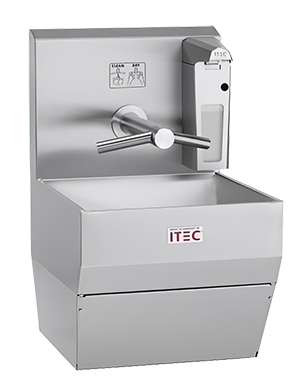
Products to Suit Your Needs
- Hygiene Equipment
- Product Inspection
- Packaging Equipment
- Training and Demo Facility
- Sealing Equipment
- Custom Conveyors
- Consultant Service
- Direct Drive Technology
- Spare Parts
- Test Samples
Contact US
For general information or to set up an appointment please complete the form below or give us a call.
GENERAL INQUIRIES
Sales (905) 847 0122 EXT 1
Accounting (905) 847 0122 EXT 4