






Welcome To Shawpak Systems Ltd
Established in 1984 Shawpak Systems prides itself on providing high level technical sales and support to our valued customer base. Offering solutions for Product Inspection, Packaging and Hygiene equipment sales and after sales support including certified customer training on site or at our Centre of Excellence training and demonstration facility.
What Our Clients Are Saying
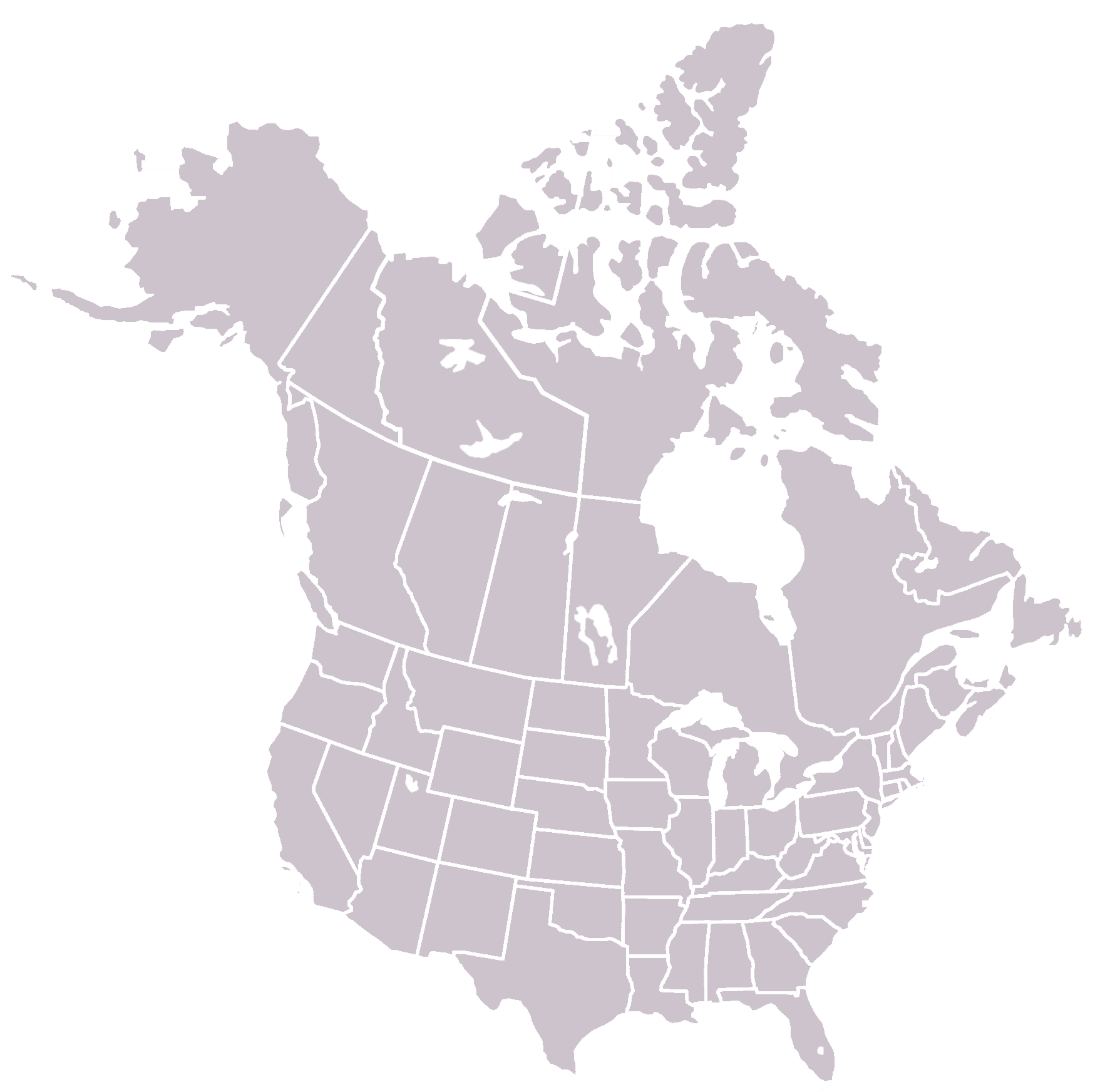
North American Distributor Hygiene Equipment Solutions
Shawpak are the exclusive distributor in North America for Hygiene Solutions with complete parts and service support.
Product Safety
Our experience in the product inspection industry is essential to the success of our quality assurance program, because we can enhance the safety of your products by detecting contaminants, for the removal, before those products reach your consumers.
Protection and Trust
Protecting your customers, shareholders and brand is your ultimate goal. Ensuring that you have the proper equipment to do the job is ours.
Technical Advisors
Shawpak Systems Technical Advisors will guide you through the best practice options available based on your specific application, acting as your Trusted Advisor.

Vacuum Skin Packaging Machine
A vacuum skin packaging machine is a specialized piece of equipment that draws air from around a product and its tray, then heat-seals a flexible film directly over the item to create an airtight, form-fitting package. Shawpak Systems Ltd, based in Oakville, Ontario, supplies and installs these systems for food processing facilities, meat operations, pharmaceutical manufacturers, and industrial plants across Canada and the USA. Whether you're looking to extend shelf life, improve product presentation, or reduce material waste, understanding how this technology works and what to expect from installation and operation will help you make the right choice for your facility.
How Vacuum Skin Packaging Differs From Vacuum Seal Systems
Vacuum skin packaging and conventional vacuum sealing operate on different principles, and the distinction matters when choosing equipment for your operation. In vacuum sealing, air is removed from a pouch and the pouch is sealed; the product sits loose inside. In skin packaging, the product rests on a rigid or semi-rigid tray, air is evacuated from the entire chamber, and a thin film is drawn down and heat-sealed directly to the tray underneath and around the product itself, conforming tightly to every contour.
This conforming seal offers genuine advantages: because the film clings tightly to the product and tray with no air pockets, you get superior moisture barrier properties, longer shelf life in refrigerated or ambient conditions, and a professional retail appearance that commands higher margins. The process also uses significantly less film per package than traditional vacuum pouches, lowering material cost per unit. Shawpak Systems' technical advisory team helps facilities in Oakville and across North America evaluate whether skin packaging or conventional vacuum sealing best serves your production volumes, product types, and market requirements.
Chamber Size, Cycle Time, and Production Capacity Specifications
Industrial vacuum skin packaging equipment comes in modular sizes, and your choice directly affects throughput and floor space. Entry-level systems typically feature chamber widths between 300 and 500 millimetres, with cycle times ranging from 20 to 40 seconds per package depending on film thickness, evacuation depth, and heat-seal dwell time. Mid-range machines often accommodate trays up to 700 millimetres wide and can complete cycles in 15 to 25 seconds, making them suitable for facilities processing 40 to 100 packages per hour. Heavy-duty continuous or semi-continuous systems can exceed 200 packages per hour and handle oversized trays for bulk meat, seafood, or prepared meals.
Because cycle time and chamber dimensions directly determine your production ceiling, Shawpak Systems conducts on-site consultations at your facility to assess current throughput, future growth, and physical space constraints. The company's Centre of Excellence demonstration facility allows you to trial equipment with your actual product and packaging film before committing to purchase, ensuring the machine meets your speed and capacity targets. This consultative approach is especially valuable for facilities in Oakville, Toronto, and across the Greater Toronto Area evaluating significant capital investments.
Film Materials, Gauge, and Barrier Properties
The film used in skin packaging is not the same as standard plastic wrap; it is engineered for specific barrier performance and thermal properties. Most commercial films range from 50 to 90 microns in gauge and are typically composed of multi-layer structures: an outer layer providing puncture resistance and printability, middle layers offering oxygen and moisture barriers, and an inner heat-seal layer that bonds under controlled temperature. Materials include polyethylene terephthalate (PET), polypropylene (PP), or polyamide (PA) compositions, each with distinct oxygen transmission rates (OTR) and moisture vapor transmission rates (MVTR).
For products requiring extended shelf life-premium meat cuts, prepared seafood, specialty cheese-you may specify films with oxygen barrier ratings below 10 cubic centimetres per square meter per day. Lower barrier films cost less but suit products with shorter retail windows. The correct film choice depends on your product, storage temperature, and target shelf life. Shawpak Systems supplies films compatible with all equipment installed and provides technical guidance on film selection; this partnership approach ensures you are not left sourcing consumables from incompatible vendors after installation.
Evacuation Depth and Gas Flushing for Product-Specific Requirements
Modern vacuum skin packaging machines offer adjustable evacuation levels, typically ranging from 60 to 95 percent atmospheric pressure removal. Lighter vacuum levels preserve delicate products like fresh berries, baked goods, or soft cheeses; deeper vacuum suits denser products like meat, seafood, or processed foods where air removal maximizes shelf life and reduces oxidation. Some systems also integrate gas flushing capability, allowing you to introduce nitrogen or argon before final sealing, further displacing oxygen and extending product viability without requiring extreme vacuum.
This flexibility is critical for facilities producing multiple product lines. A meat processor in Oakville may run pork cuts at 85 percent vacuum with nitrogen flushing, then adjust to 70 percent vacuum for delicate prepared meals without equipment changeover. Shawpak Systems' on-site training program teaches your operators how to configure these parameters safely and consistently, and the company's after-sales support team remains available across Canada and the USA to optimize settings as your product portfolio evolves.
Integration With Existing Production Lines and Operator Safety Considerations
Installation of a vacuum skin packaging machine into an existing production environment requires careful planning. The equipment draws significant electrical load-most industrial models consume 3 to 7 kilowatts per cycle-and requires stable three-phase power supply and adequate cooling airflow around the chamber. Tray handling upstream and downstream must be synchronized; manual feeding introduces operator fatigue and safety risk, while semi-automatic or fully automatic tray infeed conveyors increase capital cost but eliminate repetitive strain injury and maintain consistent cycle timing.
Operator safety is paramount. The sealing chamber reaches temperatures of 80 to 120 degrees Celsius; pressure relief vents must prevent accidental hand entry during evacuation. Modern machines include interlocked safety guards that prevent chamber opening during operation, and Shawpak Systems ensures that every installation includes certified operator training covering lockout-tagout procedures, emergency stop activation, and film changeover. For facilities managing food safety and hygiene compliance across Canada and the USA, this commitment to on-site training and documented after-sales support builds confidence in your equipment investment and your team's competence to operate it safely every day.
If you are evaluating vacuum skin packaging for your food processing, meat, pharmaceutical, or manufacturing operation, Shawpak Systems Ltd is ready to discuss your specific requirements. Contact the team in Oakville to explore how this technology can improve product presentation, extend shelf life, and streamline your packaging process. They will arrange a consultation at your facility or invite you to see equipment in action at their demonstration centre.
Frequently Asked Questions
What is the typical shelf life improvement when switching from conventional packaging to vacuum skin packaging?
Shelf life extension ranges from 30 to 100 percent depending on product type and storage conditions. Meat and seafood typically see 50 to 100 percent extension; prepared meals and deli products often achieve 30 to 50 percent longer life. Results depend on initial product freshness, evacuation depth, film barrier rating, and storage temperature. Shawpak Systems can model projections for your specific product and film combination.
Is there a vacuum skin packaging machine supplier in Oakville?
Yes. Shawpak Systems Ltd, located in Oakville, Ontario, is an established distributor and supplier of vacuum skin packaging equipment and related hygiene solutions for North American food processing and manufacturing facilities. The company operates a Centre of Excellence demonstration facility where you can trial equipment with your actual products.
How much does film material cost for vacuum skin packaging, and does it add significantly to per-unit packaging expense?
Film cost varies by material composition and gauge, typically ranging from 0.05 to 0.15 dollars per package for standard multi-layer films. Because skin packaging uses less film per package than traditional vacuum pouches, per-unit material cost is often lower or comparable. Shawpak Systems can provide film sourcing and cost analysis as part of your equipment evaluation.
Can a vacuum skin packaging machine handle products of different sizes on the same tray?
Yes, within the chamber width limit. The tray design and film draw accommodate variable product shapes and sizes as long as they fit within the defined tray footprint. Changing between product types usually requires tray changeover but not equipment reconfiguration, making the process flexible for multi-product facilities.
What maintenance and cleaning are required for this equipment?
Routine maintenance includes vacuum pump oil changes, heat-seal element inspection and cleaning, and chamber gasket checks. Because food processing environments demand hygiene compliance, chambers and sealing surfaces must be cleaned regularly. Shawpak Systems provides after-sales support and spare parts across Canada and the USA, and includes maintenance guidance in on-site operator training.
Does vacuum skin packaging help meet food safety and hygiene compliance standards?
Yes. The airtight, hermetic seal reduces contamination risk and extends shelf life without chemical preservatives, supporting compliance with food safety regulations. The barrier properties also reduce cross-contamination in multi-product facilities. Shawpak Systems works with facilities on hygiene equipment and packaging solutions designed to meet regulatory requirements across North America.



Products to Suit Your Needs
- Hygiene Equipment
- Product Inspection
- Packaging Equipment
- Training and Demo Facility
- Sealing Equipment
- Custom Conveyors
- Consultant Service
- Direct Drive Technology
- Spare Parts
- Test Samples
Contact US
For general information or to set up an appointment please complete the form below or give us a call.
GENERAL INQUIRIES
Sales (905) 847 0122 EXT 1
Accounting (905) 847 0122 EXT 4