
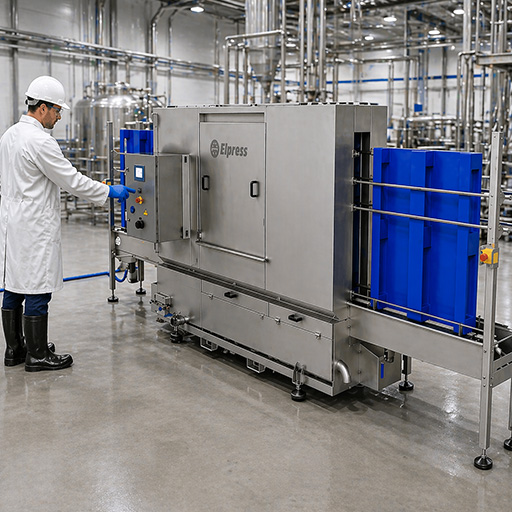
In today’s ever-evolving industrial landscape, maintaining a high standard of cleanliness is not just about compliance, but also about efficiency, safety, and sustainability. Oakville, ON, businesses are increasingly turning towards automated solutions to ensure their hygiene processes are not only thorough but also cost-effective and reliable. Let’s explore how automation is transforming hygiene practices in industrial settings.
The Shift to Automation
Traditionally, hygiene processes in industries like manufacturing, food processing, and pharmaceuticals involved significant manual labor. This not only led to variability in standards and potential for human error but also increased operational costs and safety risks. Automation introduces a systematic, standardized approach to cleanliness that can significantly mitigate these issues by:
- Enhancing consistency: Automated systems do not suffer from the fatigue or variability that human workers do, ensuring that hygiene processes are performed the same way every time.
- Improving safety: By reducing human contact with potentially hazardous materials or environments, automated systems help lower the risk of accidents and exposure to harmful substances.
- Increasing efficiency: Machines can often complete cleaning and sanitization tasks faster than human crews, allowing for more frequent cleaning cycles without disrupting production schedules.
Technological Innovations Driving Change
The recent advancements in robotics, artificial intelligence, and machine learning have greatly enhanced the capabilities of automated systems in industrial hygiene. Robots equipped with sensors and AI can now detect levels of cleanliness and contamination that are imperceptible to the human eye, adjusting their cleaning protocols dynamically to address the specific needs of each situation.
Customized Solutions for Diverse Industries
One size does not fit all when it comes to industrial hygiene. The specific requirements can vary greatly depending on the type of industry and the substances involved. Customized automated systems can be designed to meet these varied needs, whether it involves handling hazardous chemicals safely in a chemical plant or ensuring sterile environments in a food processing facility. These systems can include features like:
- High-temperature washes for sterilization
- Chemical dispensers that accurately measure and distribute cleaning agents
- Ultrasonic cleaners for precision cleaning tasks
Integration with Existing Operations
Integrating new automated systems into existing operations is a major concern for many businesses. However, today’s automation technology is highly adaptable and can be tailored to fit into current workflows with minimal disruption. Moreover, the long-term benefits, such as lower labor costs, enhanced compliance with regulatory standards, and improved worker safety, often outweigh the initial setup costs and learning curve associated with these systems.
If you’re ready to take your industrial hygiene processes to the next level with automation, our team in Oakville, ON is here to help. We offer a range of automated cleaning and sanitization equipment tailored to meet the unique needs of your industry. Call us today at (905) 847-0122 to find out how we can assist you in making your operations safer, more efficient, and compliant with industry standards.