






Welcome To Shawpak Systems Ltd
Established in 1984 Shawpak Systems prides itself on providing high level technical sales and support to our valued customer base. Offering solutions for Product Inspection, Packaging and Hygiene equipment sales and after sales support including certified customer training on site or at our Centre of Excellence training and demonstration facility.
What Our Clients Are Saying
North American Distributor Hygiene Equipment Solutions
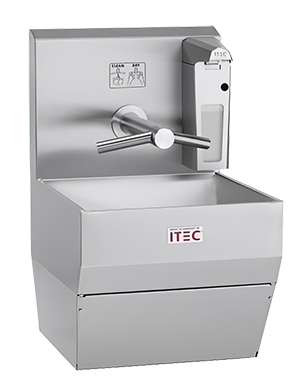
Shawpak are the exclusive distributor in North America for Hygiene Solutions with complete parts and service support.
Product Safety
Our experience in the product inspection industry is essential to the success of our quality assurance program, because we can enhance the safety of your products by detecting contaminants, for the removal, before those products reach your consumers.
Protection and Trust
Protecting your customers, shareholders and brand is your ultimate goal. Ensuring that you have the proper equipment to do the job is ours.
Technical Advisors
Shawpak Systems Technical Advisors will guide you through the best practice options available based on your specific application, acting as your Trusted Advisor.


Automatic Hand Disinfection Dispenser
An automatic hand disinfection dispenser is a wall-mounted or pedestal-based device that delivers controlled doses of sanitizing solution to worker hands without requiring manual operation, reducing cross-contamination in controlled environments.
Hand hygiene is non-negotiable in food processing, pharmaceutical manufacturing, and meat handling operations. Workers moving between production zones, cold storage, and packaging areas are vectors for pathogenic contamination if their hands are not consistently and effectively sanitized. Shawpak Systems Ltd has spent four decades helping industrial facilities across North America implement hygiene solutions that integrate seamlessly into production workflows, and automatic hand disinfection systems are now a standard component of our consulting approach for clients in Oakville and across Canada and the USA.
The decision to install these systems goes beyond compliance-it directly protects product integrity, reduces contamination incidents, and signals to workers and auditors alike that your facility takes contamination prevention seriously. Below are seven critical factors you should understand before selecting and deploying this technology in your operation.
1. Touchless Activation Eliminates Re-contamination at the Point of Use
The primary advantage of automatic systems over manual dispensers is that they require no contact to operate. Workers approach, hands trigger the sensor, and solution dispenses automatically. Because the dispenser itself is never touched, the risk of re-contaminating hands immediately after sanitization is eliminated entirely.
In a meat processing facility or pharmaceutical environment, this difference is profound. Manual pumps and push-buttons accumulate bacteria and viruses from thousands of hand contacts per shift. Operators cleaning these touch points manually add labor cost and still leave residual contamination. Touchless systems eliminate this problem by design. Shawpak Systems Ltd recommends infrared or motion sensor models for high-traffic zones and facilities with heavy glove usage, because these sensors detect motion reliably even when operators are wearing thick nitrile or latex gloves.
2. Solution Type and Concentration Must Match Your Production Environment
Not all disinfection solutions are appropriate for all industrial settings. Your choice of sanitizer-whether alcohol-based, quaternary ammonium, chlorine-based, or hydrogen peroxide-depends on your product, regulatory requirements, surface sensitivity, and worker safety protocols.
Food processing facilities often require food-contact surface approved solutions that leave no toxic residue. Pharmaceutical operations may need higher-concentration antimicrobials or solutions that meet specific pharmacopoeia standards. Meat processing plants frequently use solutions that break down blood and protein residue while sanitizing. Shawpak Systems Ltd provides technical advisory services to help you select the right formulation and concentration for your specific line of work. We also manage parts distribution and refill supply, so you are never without solution when your system is operational. Installing equipment without securing a reliable supply chain for consumables is a common mistake that leaves facilities vulnerable to downtime.
3. Installation Location and Accessibility Drive Adoption Rates
Automatic hand disinfection systems only work if workers actually use them. Placement matters enormously. These devices should be positioned at every transition point where contamination risk is highest: between raw and cooked product zones, before entering packaging areas, after handling returnable crates, and before donning fresh gloves.
In Oakville-based facilities and across our service territory, we have seen adoption rates drop sharply when systems are placed too far from workflow. If operators must walk ten feet out of their way, many will skip the step, particularly during peak production periods. Height should accommodate both standing workers and seated operations; dispensing height between 36 and 48 inches works for most industrial settings. Shawpak Systems Ltd conducts on-site facility walkthroughs as part of our consultation process, mapping the actual movement patterns of your workforce to determine optimal placement for maximum compliance and minimum workflow disruption.
4. Sensor Sensitivity Must Be Calibrated for Your Work Environment
Sensor range and response speed vary significantly between models, and the right choice depends on your facility's conditions. In a cold storage environment where workers wear heavy insulated gloves, a sensor with extended range and high sensitivity is essential-a sluggish sensor may not detect a gloved hand at standard distance. In high-traffic areas with fast-moving lines, sensors must respond in under one second to avoid bottlenecks.
Environmental factors also affect performance. Humidity in meat processing facilities, water spray from cleaning operations, and ambient lighting all influence infrared and motion sensor reliability. A system that performs flawlessly in a climate-controlled office will fail in a cold room or spray-down zone without proper calibration. Shawpak Systems Ltd provides on-site training and demonstration at our Centre of Excellence facility so you can observe performance in realistic conditions before committing to a large installation. This hands-on approach has prevented countless costly mistakes in equipment selection.
5. Tank Capacity and Refill Frequency Impact Operational Continuity
Automatic dispensers use solution more efficiently than manual systems because they deliver precisely calibrated doses, but capacity still determines how often refilling is required. A single-shift operation in a small facility may need refilling weekly, while a multi-shift food processing plant may require daily or twice-daily maintenance.
Calculate actual usage by considering the number of workers, transition points requiring sanitization, and sanitization frequency per worker per shift. Most food processing and pharmaceutical facilities see 100 to 500 hand sanitizations per dispenser per day. A 5-liter tank in heavy-use conditions might last only 2 to 3 days. Shawpak Systems Ltd recommends installing multiple smaller units rather than fewer large units in high-throughput facilities, because it reduces the logistical burden of refilling and ensures that no single point of failure leaves a critical zone unprotected. We also supply replacement cartridges and manage the supply chain so that refilling becomes routine maintenance, not an emergency.
6. Integration with Existing Hygiene Protocols Requires Planning
Hand disinfection systems work best as part of a comprehensive hygiene strategy, not as standalone equipment. A facility that deploys automatic hand sanitizers but lacks adequate boot cleaning stations, glove-change protocols, or crate cleaning procedures will still see elevated contamination because hands represent only one contamination vector.
Shawpak Systems Ltd views hygiene as an integrated system. We supply industrial boot cleaners, hand sanitization systems, and shrink wrapping equipment, but more importantly, we consult on how these components work together. If you are installing hand disinfection systems, you should simultaneously assess your entry-point hygiene (do workers clean boots and change outer garments?), your tool and equipment cleaning (are knives, cutting boards, and crates sanitized between tasks?), and your worker education (do staff understand why these steps matter?). Our certified after-sales support includes training programs that ensure staff use equipment correctly and understand the contamination prevention logic behind each step.
7. Maintenance and Sensor Calibration Must Be Scheduled and Documented
Automatic systems require more attention than passive equipment because sensors can drift, nozzles can clog, and electrical connections can corrode in humid environments. Facilities that treat these systems as "install and forget" typically see failures within 18 to 24 months.
A basic maintenance schedule includes monthly sensor testing (manually wave your hand to confirm activation), quarterly nozzle cleaning and solution inspection, and annual full system inspection by a qualified technician. In harsh environments like meat processing facilities, more frequent inspection is warranted. Shawpak Systems Ltd provides certified after-sales support across Canada and the USA, including preventive maintenance contracts and emergency service calls. We also supply replacement parts directly, so you do not rely on generic distributors who may stock incorrect components or provide misguided installation advice.
If you operate a food processing facility, pharmaceutical manufacturing plant, or meat processing operation and are ready to evaluate automatic hand disinfection solutions for your specific workflow, Shawpak Systems Ltd is prepared to help. Contact us to discuss your facility's needs, arrange an on-site consultation, or visit our Centre of Excellence demonstration facility to see these systems in operation before making your investment.
Frequently Asked Questions
How often do automatic hand disinfection dispensers need refilling in a busy food processing plant?
Refill frequency depends on facility size and worker count, but most food processing plants require refilling every 2 to 5 days per dispenser. A facility with 50+ workers using each station 10+ times per shift may need daily refilling at high-traffic zones. Shawpak Systems Ltd recommends calculating usage by tracking daily hand sanitizations and designing your supply chain accordingly.
Can automatic hand disinfection systems work in cold storage and freezer environments?
Yes, but with important caveats. Solution viscosity increases in cold conditions, requiring heated dispensers or thinner formulations. Sensors require calibration for heavy gloves and insulated work gear. Shawpak Systems Ltd supplies equipment specifically rated for cold environments and provides technical advisory to ensure sensor and nozzle performance in your facility's actual temperature range.
What is the difference between infrared sensors and motion sensors in hand sanitizers?
Infrared sensors detect warmth and typically have shorter range (6-12 inches), working well indoors but sometimes failing with thick gloves. Motion sensors detect movement and work reliably with any glove type and in varied lighting, though they may trigger accidentally. Shawpak Systems Ltd recommends motion sensors for most industrial facilities because they tolerate heavy gloves and outdoor conditions better.
Are there automatic hand disinfection dispensers available in Oakville, or do I need to order from elsewhere?
Shawpak Systems Ltd is based in Oakville, Ontario, and is the exclusive North American distributor for Hygiene Solutions equipment, including automatic hand disinfection systems. We maintain inventory locally and provide on-site training and after-sales support throughout Canada and the USA, so you do not need to rely on distant suppliers.
How much does installation and setup typically cost for multiple units across a facility?
Installation cost varies based on facility size, electrical requirements, plumbing integration, and the number of units. Shawpak Systems Ltd provides free on-site consultations to assess your facility and provide accurate pricing tailored to your specific needs and workflow.
What happens if the automatic dispenser sensor fails during production?
A failed sensor typically means the dispenser stops functioning and becomes unusable. This is why Shawpak Systems Ltd recommends preventive maintenance contracts and redundant placement of sanitizers in critical zones. We also stock replacement sensors and provide emergency service calls to minimize downtime.




Products to Suit Your Needs
- Hygiene Equipment
- Product Inspection
- Packaging Equipment
- Training and Demo Facility
- Sealing Equipment
- Custom Conveyors
- Consultant Service
- Direct Drive Technology
- Spare Parts
- Test Samples
Contact US
For general information or to set up an appointment please complete the form below or give us a call.
GENERAL INQUIRIES
Sales (905) 847 0122 EXT 1
Accounting (905) 847 0122 EXT 4