






Welcome To Shawpak Systems Ltd
Established in 1984 Shawpak Systems prides itself on providing high level technical sales and support to our valued customer base. Offering solutions for Product Inspection, Packaging and Hygiene equipment sales and after sales support including certified customer training on site or at our Centre of Excellence training and demonstration facility.
What Our Clients Are Saying
North American Distributor Hygiene Equipment Solutions
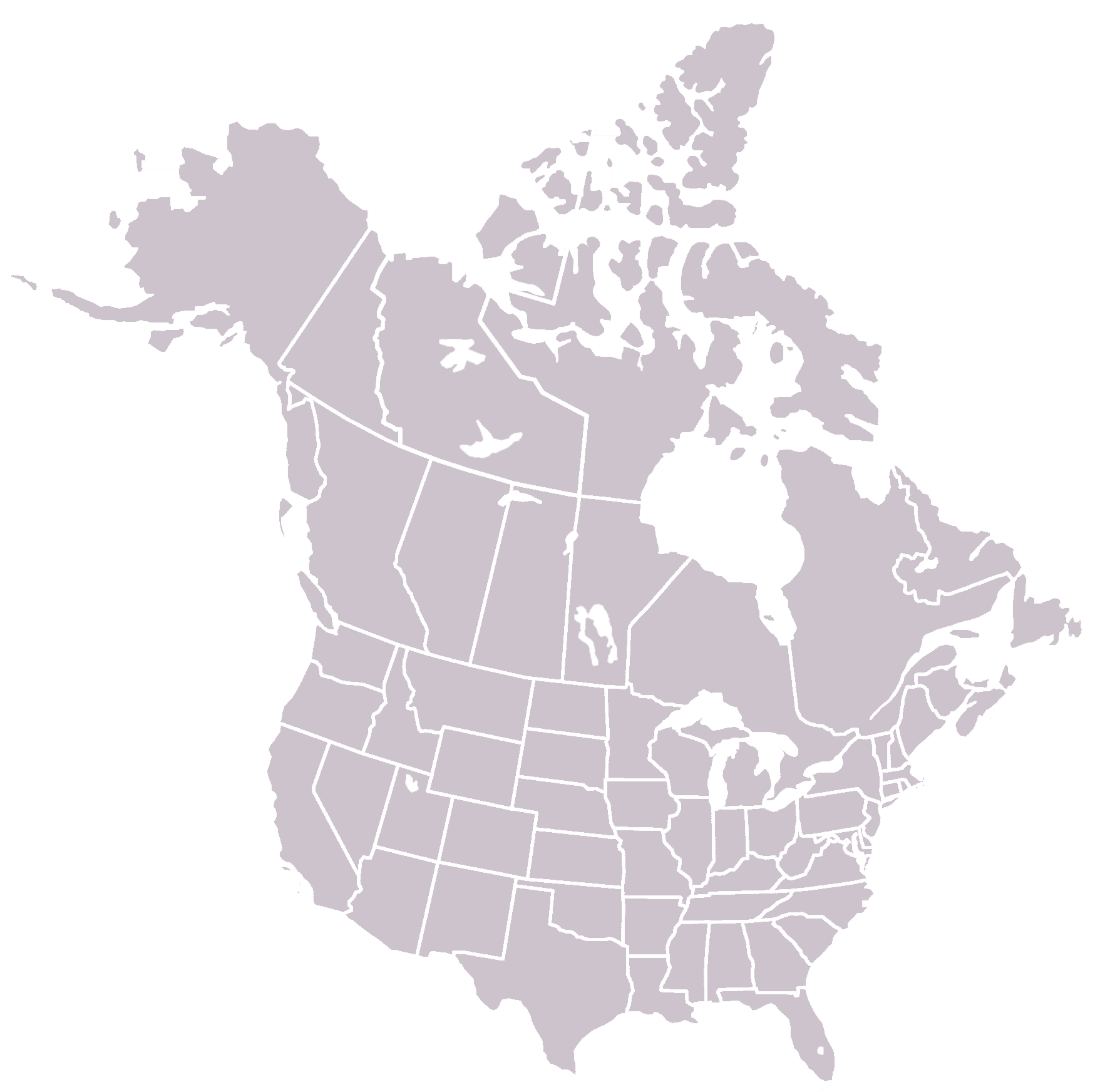
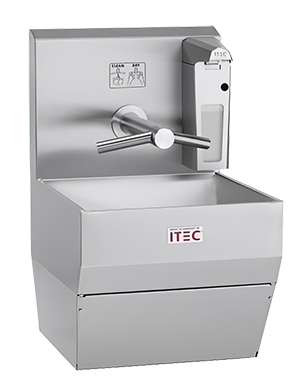
Shawpak are the exclusive distributor in North America for Hygiene Solutions with complete parts and service support.
Product Safety
Our experience in the product inspection industry is essential to the success of our quality assurance program, because we can enhance the safety of your products by detecting contaminants, for the removal, before those products reach your consumers.
Protection and Trust
Protecting your customers, shareholders and brand is your ultimate goal. Ensuring that you have the proper equipment to do the job is ours.
Technical Advisors
Shawpak Systems Technical Advisors will guide you through the best practice options available based on your specific application, acting as your Trusted Advisor.

Industrial Shoe Cleaning
Industrial shoe cleaning is the systematic removal of contaminants from work footwear in manufacturing, food processing, and pharmaceutical environments where hygiene compliance is non-negotiable. Shawpak Systems Ltd, based in Oakville, Ontario, has spent four decades helping North American facilities protect their operations through proper sanitation protocols and equipment. This guide walks you through the essential steps to implement effective shoe cleaning practices that reduce contamination risk, extend equipment life, and keep your facility compliant with health standards.
Whether you manage a meat processing plant, pharmaceutical facility, or food manufacturing operation, clean footwear is your first line of defense against cross-contamination. The process is straightforward when you understand each stage and have the right equipment in place.
Step 1: Establish a Designated Cleaning Station
Create a dedicated area near facility entrances where shoe cleaning happens before workers enter production zones. This physical separation prevents dirty footwear from tracking contaminants into sensitive areas. The location should have adequate drainage, water access, and be positioned so traffic naturally flows through it. Think of this as a checkpoint: every shoe passes through the same controlled process rather than relying on worker initiative.
Shawpak Systems Ltd supplies industrial boot cleaner units specifically designed for high-traffic facility environments. These machines combine mechanical scrubbing with water pressure to remove soil, organic matter, and surface pathogens efficiently. Position your cleaning station so it becomes part of the natural workflow, not an inconvenience workers bypass. The goal is making compliance automatic rather than optional.
Step 2: Remove Loose Debris Before Wet Cleaning
Before any water or cleaning solution touches the shoe, remove loose dirt, mud, and organic material. Workers should stomp their feet on a dry grate or use a stiff brush to dislodge debris. This step prevents your cleaning equipment from becoming clogged and ensures the actual cleaning process works effectively on the shoe surface itself.
Many facilities overlook this stage and force their boot cleaning machines to work harder than necessary. By removing loose material first, you reduce equipment wear, lower water consumption, and improve overall cleaning quality. Assign one staff member to monitor this pre-cleaning step during high-traffic periods, particularly in meat processing or food manufacturing operations where heavy soil loads are common.
Step 3: Run Shoes Through Your Industrial Boot Cleaner
Feed footwear into your automated cleaning unit, which typically combines rotating brushes, high-pressure water jets, and heated water to break down contaminants. The machine works from sole to upper, ensuring complete coverage. Water temperature matters: warmer water lifts oils and organic residue more effectively than cold water, which is why Shawpak's equipment includes temperature controls.
Depending on soil level, shoes typically spend 30 to 60 seconds in the cleaning cycle. Industrial environments in Oakville and across North America use these units 50 to 100 times per shift in high-traffic facilities. The machines are designed for continuous operation, so downtime is minimal and throughput is high enough to keep your workforce moving.
Step 4: Apply Sanitizing Solution When Required
After mechanical cleaning removes visible contamination, some facilities require an additional sanitizing step, particularly in pharmaceutical manufacturing or meat processing. A diluted sanitizing solution applied to clean shoes kills residual microorganisms. Check your facility's specific regulatory requirements, as different industries have different standards. Many industrial boot cleaner units include integrated sanitizing dispensers that apply the solution automatically as shoes pass through.
The timing matters: sanitizer works best on clean surfaces where contaminants have already been removed. Applying sanitizer to visibly dirty shoes wastes both product and effort. Always follow your solution manufacturer's contact time requirements-typically 30 seconds to 2 minutes-to ensure effectiveness.
Step 5: Dry and Inspect
Wet footwear creates slipping hazards and allows moisture to promote bacterial regrowth. Modern industrial cleaning systems include forced-air drying that removes most surface moisture. Workers should briefly inspect their shoes before entering production areas, checking that the sole and heel are clean and dry. Any visible soil means running the shoe through the cycle again.
Drying typically takes 15 to 30 seconds with proper equipment. Some facilities use a boot drying rack in a holding area so shoes have time to fully dry while workers complete other prep tasks. This small addition prevents wet footprints on production floors and ensures longer-lasting hygiene.
Shawpak Systems Ltd provides complete guidance on selecting, installing, and maintaining the right cleaning equipment for your specific operation. Our team understands the hygiene demands of food processing, pharmaceutical manufacturing, and industrial facilities across North America. If you are ready to upgrade your contamination control protocols or need help choosing the right solution for your facility, reach out to discuss how our equipment and expertise can serve your operation.
Frequently Asked Questions
How often should industrial shoes be cleaned during a shift?
In high-contamination environments like meat processing and food manufacturing, shoes should be cleaned at the start of each shift and whenever visible soil accumulates. Many facilities implement cleaning every 2 to 4 hours during extended shifts. The frequency depends on your specific production process, soil levels, and regulatory requirements.
What is the difference between cleaning and sanitizing shoes?
Cleaning removes visible dirt, debris, and organic matter through mechanical action and water pressure. Sanitizing kills microorganisms on a clean surface using chemical solutions. Both steps are often necessary in food processing and pharmaceutical environments, but sanitizing is only effective after cleaning removes the contaminants that would shield bacteria from the sanitizer.
Is there industrial shoe cleaning equipment available in Oakville?
Yes. Shawpak Systems Ltd, headquartered in Oakville, Ontario, supplies and distributes industrial boot cleaner units across North America. We also operate a Centre of Excellence demonstration facility where you can see equipment in action and receive technical consultation before purchasing.
What types of footwear can be cleaned in industrial machines?
Industrial boot cleaner units are designed for work boots, safety shoes, and slip-resistant footwear commonly used in manufacturing and food processing. Delicate shoes or those with non-waterproof materials should be hand-cleaned or removed from the cycle. Always verify your shoe manufacturer's water exposure limits before running specialized footwear through automated systems.

Products to Suit Your Needs
- Hygiene Equipment
- Product Inspection
- Packaging Equipment
- Training and Demo Facility
- Sealing Equipment
- Custom Conveyors
- Consultant Service
- Direct Drive Technology
- Spare Parts
- Test Samples
Contact US
For general information or to set up an appointment please complete the form below or give us a call.
GENERAL INQUIRIES
Sales (905) 847 0122 EXT 1
Accounting (905) 847 0122 EXT 4