






Welcome To Shawpak Systems Ltd
Established in 1984 Shawpak Systems prides itself on providing high level technical sales and support to our valued customer base. Offering solutions for Product Inspection, Packaging and Hygiene equipment sales and after sales support including certified customer training on site or at our Centre of Excellence training and demonstration facility.
What Our Clients Are Saying
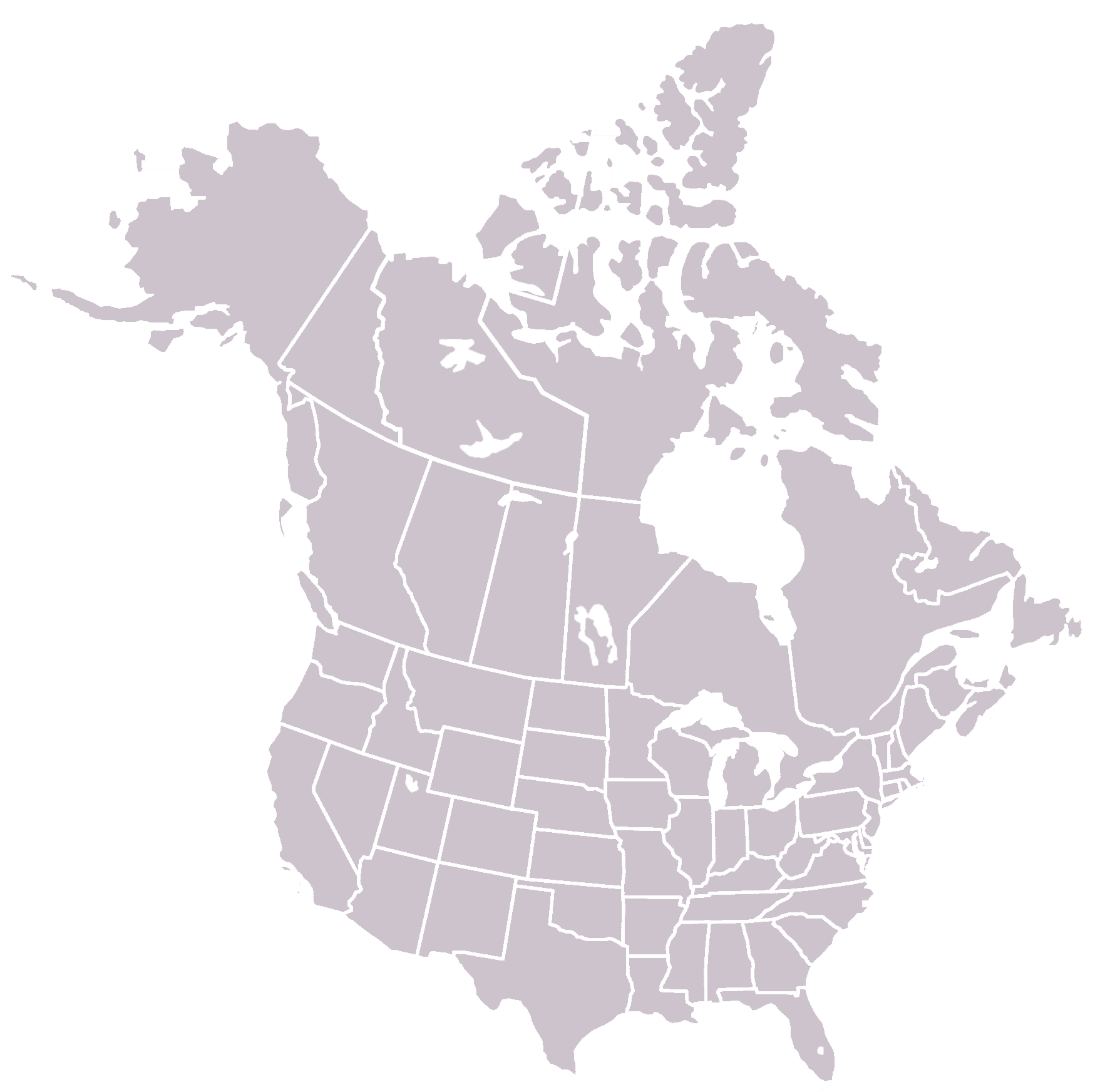
North American Distributor Hygiene Equipment Solutions
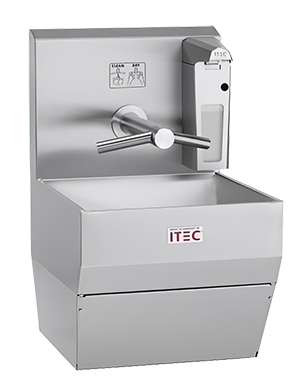
Shawpak are the exclusive distributor in North America for Hygiene Solutions with complete parts and service support.
Product Safety
Our experience in the product inspection industry is essential to the success of our quality assurance program, because we can enhance the safety of your products by detecting contaminants, for the removal, before those products reach your consumers.
Protection and Trust
Protecting your customers, shareholders and brand is your ultimate goal. Ensuring that you have the proper equipment to do the job is ours.
Technical Advisors
Shawpak Systems Technical Advisors will guide you through the best practice options available based on your specific application, acting as your Trusted Advisor.

Machine Vision Inspection
Machine vision inspection is an automated system that uses cameras and image processing software to detect defects, contamination, and quality issues in products moving through production lines. Shawpak Systems Ltd helps food processing facilities, manufacturing plants, and pharmaceutical operations in Oakville and across North America implement these systems to reduce manual inspection labor, catch defects before shipment, and maintain compliance with safety standards.
This guide walks you through the process of evaluating, selecting, and deploying vision inspection equipment for your facility. By the end, you will understand how to assess your production environment, choose appropriate hardware and software, and establish protocols that integrate this technology into your existing workflow.
Step 1: Assess Your Production Line and Defect Profile
Before selecting any equipment, document what your current inspection process looks like and where it falls short. Walk your production line and identify which defects matter most: missing components, surface damage, incorrect labeling, foreign material contamination, or packaging seal integrity. Record the speed of your line in units per minute, the size range of products being inspected, and the lighting conditions at each potential inspection station.
Work with your operations team to quantify the cost of defects that slip through today. A meat processing operation in Oakville might lose significant revenue to mislabeled packages reaching retail. A pharmaceutical manufacturer may face regulatory penalties if particulate contamination goes undetected. This analysis drives your business case and helps Shawpak Systems Ltd recommend the right system configuration for your specific production challenge.
Step 2: Define System Requirements and Camera Specifications
Vision systems vary widely in resolution, speed, and complexity. High-speed lines in food processing facilities require cameras capable of 100+ frames per second. Slower assembly operations may work with standard industrial cameras at 30 frames per second. Determine the minimum pixel resolution needed to detect your smallest defect reliably. A 2-megapixel camera suits most packaging inspection; pharmaceutical operations may require 5+ megapixels to spot hairline cracks or particle contamination.
Consider lighting setup carefully. Backlighting works well for detecting missing components or seal integrity. Coaxial lighting reveals surface defects and discoloration. Shawpak Systems Ltd's technical advisory team evaluates your product, line speed, and environment to specify the correct lighting and camera combination, because the wrong choice will result in false positives that halt production or false negatives that miss defects entirely.
Vision systems deployed without proper lighting and camera calibration fail within weeks. The equipment is sound, but the application was never properly matched to the production environment.
Step 3: Configure Software and Train Your Operators
Vision inspection software learns what acceptable products look like and flags anything outside that range. During setup, your team captures images of known good and known bad products, teaching the system to distinguish between normal variation and actual defects. This training phase typically takes one to two weeks and is critical to minimizing false rejects that waste product or halt your line unnecessarily.
Once trained, the system runs continuously, but operators must understand how to adjust sensitivity, respond to alerts, and interpret results. Shawpak Systems Ltd includes on-site training with every deployment, ensuring your staff in Oakville and across your North American operations can troubleshoot common issues without waiting for remote support. Your maintenance team also needs access to parts distribution and certified after-sales support when components require replacement.
Step 4: Integrate into Your Workflow and Establish Performance Metrics
Determine where the inspection station sits in your line. Most operations place it after primary packaging but before final case packing, catching issues before they leave your facility. Connect your vision system to your production control system so rejected products are automatically diverted, counted, and logged. This data becomes valuable for root cause analysis and process improvement.
Track key metrics from day one: defect detection rate, false positive rate, system uptime, and line speed impact. Manufacturing plants and food processing facilities near Oakville that implement vision inspection typically see defect detection rates increase from 85-90% manual inspection accuracy to 99%+, but only when the system is properly calibrated and operators are trained. Review performance monthly with your team and Shawpak Systems Ltd to ensure the system continues to meet your production and quality goals.
If your facility is evaluating this technology, contact Shawpak Systems Ltd to discuss your production environment, defect profile, and quality goals. Our technical team can recommend equipment, conduct a demonstration at our Centre of Excellence, and outline the training and support structure that will work for your operation across North America.
Frequently Asked Questions
What types of defects can vision inspection systems reliably detect?
Vision systems excel at detecting missing components, incorrect positioning, surface damage, discoloration, seal integrity issues, and foreign material contamination. Performance depends on proper lighting, camera resolution, and software training. Common defect detection rates range from 95-99% when the system is properly configured for your specific product and line speed.
How fast do vision inspection systems need to run to keep up with our line?
System speed depends on your production rate. High-speed food processing lines may run 100-300 units per minute and require cameras capable of 100+ frames per second. Slower operations processing 10-50 units per minute work with standard industrial cameras. Shawpak Systems Ltd evaluates your line speed during consultation to recommend equipment that keeps pace without slowing production.
Is there a vision inspection system provider near Oakville that handles installation and training?
Shawpak Systems Ltd, based in Oakville, Ontario, provides technical advisory, equipment selection, on-site training, and certified after-sales support for vision inspection systems across North America. We also offer demonstrations at our Centre of Excellence facility to help you evaluate the technology before deployment.
What happens when the system flags a defect?
Flagged products are typically diverted automatically from the main line to a reject chute or collection area. The system logs the defect type, location, and timestamp in your production database for traceability and root cause analysis. Your operators are alerted visually or audibly so they can investigate and adjust the process if needed.
How long does it take to train a vision system to recognize good and bad products?
Initial training typically takes one to two weeks. Your team captures and labels images of acceptable products and known defects, teaching the software to distinguish between normal variation and actual quality issues. Shawpak Systems Ltd provides on-site training during this phase and remains available for adjustment as your production processes change.

Products to Suit Your Needs
- Hygiene Equipment
- Product Inspection
- Packaging Equipment
- Training and Demo Facility
- Sealing Equipment
- Custom Conveyors
- Consultant Service
- Direct Drive Technology
- Spare Parts
- Test Samples
Contact US
For general information or to set up an appointment please complete the form below or give us a call.
GENERAL INQUIRIES
Sales (905) 847 0122 EXT 1
Accounting (905) 847 0122 EXT 4