






Welcome To Shawpak Systems Ltd
Established in 1984 Shawpak Systems prides itself on providing high level technical sales and support to our valued customer base. Offering solutions for Product Inspection, Packaging and Hygiene equipment sales and after sales support including certified customer training on site or at our Centre of Excellence training and demonstration facility.
What Our Clients Are Saying
North American Distributor Hygiene Equipment Solutions
Shawpak are the exclusive distributor in North America for Hygiene Solutions with complete parts and service support.
Product Safety
Our experience in the product inspection industry is essential to the success of our quality assurance program, because we can enhance the safety of your products by detecting contaminants, for the removal, before those products reach your consumers.
Protection and Trust
Protecting your customers, shareholders and brand is your ultimate goal. Ensuring that you have the proper equipment to do the job is ours.
Technical Advisors
Shawpak Systems Technical Advisors will guide you through the best practice options available based on your specific application, acting as your Trusted Advisor.


Packaging Machine
A packaging machine is an automated or semi-automated system that wraps, seals, or prepares products for shipment and storage, protecting them from contamination and damage while maintaining consistent presentation across production runs. For food processors, manufacturers, and pharmaceutical operations, selecting and maintaining the right equipment directly affects throughput, waste reduction, and regulatory compliance.
Shawpak Systems Ltd, based in Oakville, Ontario, has specialized in packaging and shrink wrapping solutions since 1984, serving food processing facilities, meat operations, and manufacturing plants across Canada and the USA. The company combines equipment distribution with technical consultation, on-site training, and certified after-sales support-addressing the operational reality that a machine is only as valuable as the expertise and parts availability backing it.
Why Equipment Selection Matters More Than Price Alone
Plant managers and operations directors often prioritize upfront cost, but this approach underestimates true cost of ownership. A lower-priced unit that requires frequent repairs, consumes excessive film, or cannot handle your product mix generates hidden costs through downtime and material waste. Because equipment runs 8-16 hours daily in most production environments, reliability and compatibility with your existing workflow determine whether you realize return on investment within the first year or struggle through chronic underperformance.
Shawpak Systems addresses this through a consultative process: technicians evaluate your current production line, product specifications, throughput targets, and facility layout before recommending specific models. This diagnostic approach prevents oversizing (unnecessary capital expense) and undersizing (production bottlenecks). The company's exclusive North American distribution partnership with Hygiene Solutions gives access to machinery engineered for high-volume food and pharmaceutical environments, where contamination control and traceability are non-negotiable.
Core Functions of Modern Shrink Wrapping Equipment
Shrink wrapping and packaging machinery performs three essential functions: product containment (holding items in a bundle or on a tray), heat application (using steam or electric coils to shrink polymer film around the product), and cutting or sealing (creating clean separation between packages). The integration of these functions determines production speed, measured in units per minute, and film waste, measured as a percentage of material input.
Entry-level semi-automatic systems require an operator to load products and initiate the cycle; the machine then heats and seals automatically. Fully automatic systems use conveyor integration, allowing continuous product feed without operator intervention between cycles. For facilities running 24-hour production or processing high-volume orders, automatic systems reduce labor dependency and improve consistency, though they require more substantial floor space and higher capital investment.
The choice between these options depends on your facility's current staffing model, production volume, and space constraints. A 50,000-unit annual operation can often justify semi-automatic equipment; a 500,000-unit operation typically requires automatic machinery to avoid production constraints. Shawpak Systems' Centre of Excellence demonstration facility in Oakville allows prospects to operate machinery hands-on before purchase, reducing uncertainty about whether a given system will integrate smoothly into your workflow.
Integration with Hygiene and Contamination Control
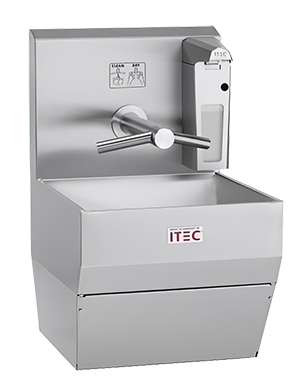
In food processing and pharmaceutical manufacturing, packaging equipment is not standalone; it works within a broader contamination-control strategy. Worker footwear contamination, for example, can transfer pathogens directly onto product surfaces if an industrial boot cleaner or boot cleaning station is not positioned at the entry to the packaging area. Similarly, hand sanitization systems must be accessible to personnel handling finished goods immediately before the sealing process.
Shawpak Systems distributes hygiene equipment alongside packaging machinery, recognizing that these systems operate as a single ecosystem. A facility upgrading to new shrink wrapping equipment should evaluate boot cleaning machines, hand sanitization stations, and crate cleaning systems as complementary investments. This integrated approach, supported by on-site training from Shawpak technicians, ensures that new equipment achieves its intended contamination-prevention benefits rather than becoming isolated capital purchase disconnected from operational protocols.
Support, Training, and Long-Term Reliability
Equipment fails, and failure during production is expensive. A packaging machine down for four hours on a peak production day can cost thousands in lost throughput and overtime labor. Response time, parts availability, and technician expertise separate vendors who support long-term success from those who complete a sale and recede from the relationship.
Shawpak Systems maintains a parts distribution network across Canada and the USA, ensuring that wear components-film rollers, heating elements, seals-are available without multi-week delays. The company also provides certified after-sales support and on-site training, meaning that when your team operates new equipment, they understand both routine maintenance and troubleshooting basic issues before a service call is necessary. This hands-on knowledge transfer reduces both emergency downtime and unnecessary service visits.
When you are evaluating packaging equipment suppliers, ask about parts lead times, technician availability in your region, and whether training is included as standard or charged separately. These details reveal whether a vendor is positioned for a single transaction or a partnership. Shawpak Systems' long presence in the market-serving North American facilities for decades-reflects a business model built on customer retention through reliability and support.
If your facility is planning to upgrade packaging equipment, evaluate your current production constraints, contamination-control gaps, and staffing capacity together before purchasing. Shawpak Systems offers technical consultation at no cost to help identify the right machinery and complementary hygiene solutions for your operation. Contact the company directly to discuss your facility's requirements and arrange a visit to the Centre of Excellence to see equipment in operation.
Frequently Asked Questions
What is the difference between semi-automatic and fully automatic packaging equipment?
Semi-automatic equipment requires an operator to load products and initiate each cycle, while the machine heats and seals automatically; this suits lower-volume operations and reduces upfront capital cost. Fully automatic systems integrate with conveyors and run continuously without operator intervention between cycles, increasing speed and consistency but requiring more space and higher investment. Choose based on your annual production volume and available labor.
How does packaging equipment integrate with hygiene compliance in food processing?
Packaging machinery works as part of a contamination-control strategy that includes boot cleaning machines, hand sanitization systems, and crate cleaning equipment positioned throughout the facility. Without hygiene equipment at critical points, such as entry to the packaging area, new machinery cannot prevent contamination from worker footwear or surfaces. Shawpak Systems supplies both packaging and hygiene equipment to ensure integrated protection.
What should I look for when choosing a packaging equipment supplier?
Evaluate parts availability, technician response time in your region, whether training is included, and the vendor's history serving similar facilities. A supplier who consults on equipment selection rather than immediately recommending the highest-priced model, and who maintains a local parts network, supports long-term success rather than a single transaction.
Is there a packaging equipment supplier near Oakville?
Shawpak Systems Ltd is based in Oakville, Ontario, and serves North American facilities including food processors, manufacturers, and pharmaceutical operations across Canada and the USA. The company maintains a Centre of Excellence demonstration facility in Oakville where you can operate equipment before purchase.
How much downtime should I expect when packaging equipment fails?
Response time depends on your supplier's parts availability and local technician network. With a reliable supplier maintaining a regional parts distribution system, routine failures can often be resolved within 4-8 hours. Emergency calls outside business hours may extend this; discuss availability terms with your vendor before purchasing.
What is the typical cost of packaging equipment?
Semi-automatic systems range widely based on throughput capacity and features; fully automatic systems cost significantly more but justify the investment at higher production volumes. Rather than a price list, consult with a supplier who evaluates your specific production volume and facility layout to recommend the right equipment tier and total cost of ownership.
How do I know if my current packaging equipment is undersized?
Signs include consistent bottlenecks in the packaging stage, operators waiting between cycles, inability to meet order deadlines without overtime, or excessive reject rates due to sealing inconsistency. A technical consultant can audit your current workflow and recommend whether increased capacity or equipment reliability is the limiting factor.

Products to Suit Your Needs
- Hygiene Equipment
- Product Inspection
- Packaging Equipment
- Training and Demo Facility
- Sealing Equipment
- Custom Conveyors
- Consultant Service
- Direct Drive Technology
- Spare Parts
- Test Samples
Contact US
For general information or to set up an appointment please complete the form below or give us a call.
GENERAL INQUIRIES
Sales (905) 847 0122 EXT 1
Accounting (905) 847 0122 EXT 4