






Welcome To Shawpak Systems Ltd
Established in 1984 Shawpak Systems prides itself on providing high level technical sales and support to our valued customer base. Offering solutions for Product Inspection, Packaging and Hygiene equipment sales and after sales support including certified customer training on site or at our Centre of Excellence training and demonstration facility.
What Our Clients Are Saying
North American Distributor Hygiene Equipment Solutions
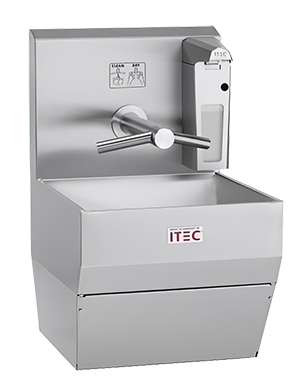
Shawpak are the exclusive distributor in North America for Hygiene Solutions with complete parts and service support.
Product Safety
Our experience in the product inspection industry is essential to the success of our quality assurance program, because we can enhance the safety of your products by detecting contaminants, for the removal, before those products reach your consumers.
Protection and Trust
Protecting your customers, shareholders and brand is your ultimate goal. Ensuring that you have the proper equipment to do the job is ours.
Technical Advisors
Shawpak Systems Technical Advisors will guide you through the best practice options available based on your specific application, acting as your Trusted Advisor.


Sugar Packaging Machine
A sugar packaging machine is a mechanical or automated system designed to portion, bag, and seal granulated sugar or other dry bulk materials into consumer or industrial-sized packages at controlled speeds and weights. Shawpak Systems Ltd supplies and supports these systems across Canada and the United States, serving food processing facilities, manufacturing plants, and distribution centers that require reliable, compliant packaging automation.
This guide walks you through the essential steps to properly operate packaging equipment for sugar and similar dry goods. By following these procedures, you will achieve consistent package weights, reduce material waste, minimize downtime, and maintain product quality that meets both internal standards and regulatory requirements. Whether you are setting up a new system or refining your current operation, understanding each stage of the process ensures your facility runs safely and efficiently.
Step 1: Review Equipment Specifications and Safety Documentation
Before operating any packaging machinery, consult the manufacturer's manual and all safety documentation provided with your equipment. Shawpak Systems Ltd includes comprehensive technical documentation with every installation and conducts on-site training to familiarize your team with the specific model you have purchased. Pay particular attention to maximum operating speeds, weight capacity, electrical requirements, and emergency stop locations.
Ensure that all personnel who will operate or maintain the equipment have completed required safety training. In jurisdictions across Canada and the United States, regulatory bodies expect operators to understand both the equipment and the hazards it presents. Post safety signage near the machine, confirm that all guards and protective devices are in place, and verify that your facility has a clear protocol for reporting equipment malfunctions. This foundational step prevents accidents and establishes accountability.
Step 2: Install, Calibrate, and Test the Weighing System
Accurate weight control is central to successful sugar packaging. Most modern systems use load cells or weight sensors that feed data to a programmable controller. Shawpak Systems Ltd ensures that calibration is performed during installation and provides guidance on periodic recalibration, typically required every three to six months depending on usage intensity and environmental conditions.
To calibrate, use certified calibration weights that match the target package weight range. Place the weights on the hopper or collection platform while the system is in setup mode, and allow the controller to record the sensor readings. Run at least ten test cycles without product to verify that the system reads zero when empty and returns consistent results. Document all calibration data and retain records for audit purposes. Accurate calibration reduces giveaway, improves customer satisfaction, and strengthens compliance documentation that food processors and manufacturers in Oakville and across North America must maintain.
Step 3: Load Material, Set Portion Parameters, and Configure Bag Specifications
Once calibration is confirmed, fill the hopper with sugar or your target material. Check that the material flows freely without bridging or clumping. If the product tends to clump, ensure that humidity levels in your facility are controlled and that hoppers are fitted with appropriate agitation or vibration devices. Shawpak Systems Ltd provides technical advice on material handling challenges specific to your product and facility layout.
Next, input the portion weight and packaging parameters into the control panel. Enter the target weight (for example, 1 kilogram, 2.5 kilograms, or 5-pound packages), bag dimensions, seal temperature if heat-sealing is used, and production speed. Start with a conservative speed-perhaps 20 to 30 packages per minute-and run a series of test packages. Weigh each test package on a calibrated scale and record the results. Adjust the portion weight upward or downward in small increments (typically 5 to 10 grams) until 95 percent or more of packages fall within your acceptable range, normally plus or minus one percent of the target weight. This disciplined approach ensures that your equipment meets industry standards and your customers receive consistent product.
Step 4: Operate the System, Monitor Output, and Perform Maintenance
Once parameters are set and test runs are successful, begin production. Assign a dedicated operator to monitor the equipment during runs. Check the first package every 30 minutes and randomly sample packages throughout the shift to catch any drift in weight or seal quality. Modern systems often include data logging features that record weight data electronically, allowing you to review trends and identify problems before they become significant.
Establish a daily maintenance routine: inspect the hopper for residual material or contamination, clean the weighing platform, check that all moving parts move freely, and verify that heat-sealing elements (if applicable) are functioning. Weekly, perform a deeper clean of the filling mechanism and inspect belts or conveyor surfaces for wear. Because packaging equipment sees constant use in food processing and manufacturing environments, preventative maintenance reduces unexpected downtime. Shawpak Systems Ltd provides parts distribution and after-sales support across Canada and the USA, ensuring that replacement components and technical assistance are available when you need them. Keep a maintenance log documenting all service performed, any adjustments made, and any issues reported, so your team can identify patterns and plan upgrades or replacements with confidence.
| Maintenance Task | Frequency | Purpose |
|---|---|---|
| Weight verification and sampling | Every 30 to 60 minutes during operation | Detect weight drift early and maintain consistency |
| Hopper inspection and cleaning | Daily | Prevent material bridging and cross-contamination |
| Moving parts lubrication and inspection | Weekly | Reduce wear and prevent mechanical failure |
| Heat sealer or seal mechanism check | Weekly | Ensure package integrity and food safety |
| Calibration verification with certified weights | Every 3 to 6 months | Maintain accuracy and regulatory compliance |
When issues arise-whether a weight reading that drifts, a conveyor belt that slips, or a seal that fails to close-document the symptom, stop the machine, and contact your equipment supplier. Shawpak Systems Ltd maintains a technical support team ready to troubleshoot problems and deploy service technicians to manufacturing plants, food processing facilities, and distribution centers in Oakville and throughout North America. Having a trusted partner for support means less guesswork, faster resolution, and less lost production time.
If you operate a facility in Oakville, Ontario, or anywhere across Canada and the United States, and your operation requires reliable packaging machinery and professional technical support, reach out to Shawpak Systems Ltd to discuss your specific needs. They offer equipment selection consultation, on-site demonstration at their Centre of Excellence facility, and certified after-sales support that helps you select and maintain the right system for your operation.
Frequently Asked Questions
What is the typical accuracy range for a modern packaging machine for sugar?
Most industrial packaging systems maintain accuracy within plus or minus 0.5 to 1.5 percent of the target weight when properly calibrated and maintained. Achieving this range requires regular calibration, controlled environmental conditions, and routine operator monitoring. Shawpak Systems Ltd supports calibration and troubleshooting to help you stay within these standards.
How often should I calibrate my sugar packaging equipment?
Calibration should be performed every three to six months under normal operating conditions, and more frequently if the equipment runs continuously or if you notice weight drift during production. Environmental changes such as temperature or humidity fluctuations can affect sensor readings, so recalibration after seasonal changes is also recommended.
What training does Shawpak Systems Ltd provide when I purchase packaging equipment?
Shawpak Systems Ltd includes on-site training covering equipment operation, calibration, routine maintenance, and troubleshooting. Training is provided to your team at installation and can be extended or refreshed as needed. The company also operates a Centre of Excellence demonstration facility where you can become familiar with different equipment models before purchase.
Is there packaging equipment support available in Oakville for emergency repairs?
Yes. Shawpak Systems Ltd is located in Oakville, Ontario, and provides after-sales support and parts distribution across Canada and the USA. If equipment fails during production, you can contact their technical team for rapid troubleshooting and service dispatch.
What causes weight drift in packaging equipment, and how do I fix it?
Weight drift typically results from sensor drift due to temperature changes, material buildup on the weighing platform, changes in product density or moisture content, or wear in mechanical components. Address it by recalibrating the scale, cleaning the weighing area, confirming that material flows consistently, and inspecting for worn parts. If drift persists, consult your equipment supplier.
Can the same packaging machine handle different product types like sugar and flour?
Yes, most systems can be adapted to handle different dry bulk materials by adjusting portion weight, bag size, and sometimes agitation settings to account for differences in flow and density. However, a thorough clean between product types is essential to avoid cross-contamination, particularly in food processing environments. Consult your equipment manual or supplier for product-specific guidance.





Products to Suit Your Needs
- Hygiene Equipment
- Product Inspection
- Packaging Equipment
- Training and Demo Facility
- Sealing Equipment
- Custom Conveyors
- Consultant Service
- Direct Drive Technology
- Spare Parts
- Test Samples
Contact US
For general information or to set up an appointment please complete the form below or give us a call.
GENERAL INQUIRIES
Sales (905) 847 0122 EXT 1
Accounting (905) 847 0122 EXT 4