
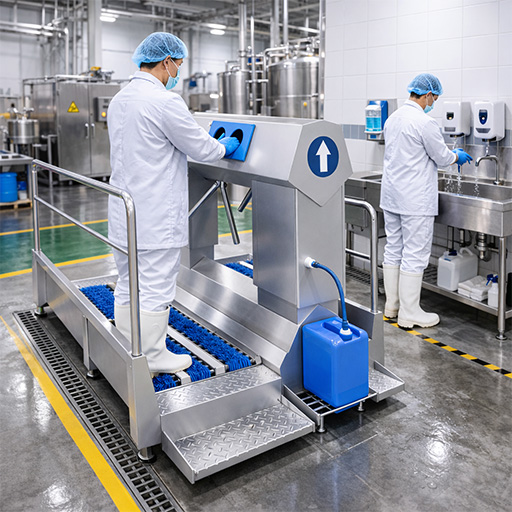
In today’s global market, maintaining the highest level of hygiene is not just a matter of compliance but a competitive edge for industrial equipment users in Oakville, ON, and beyond. Ensuring that your operations meet international hygiene standards is crucial in safeguarding product quality and consumer safety. Here are essential steps to keep your industrial processes compliant and efficient.
Understanding Regulatory Requirements
The first step in compliance is understanding the specific hygiene standards that apply to your industry. These regulations can vary significantly from one country to another and between different sectors. Whether you’re involved in food production, pharmaceuticals, or manufacturing, staying informed about the relevant local and international standards is crucial. This includes familiarizing yourself with guidelines from bodies such as the FDA, WHO, and ISO.
Implementing Robust Hygiene Practices
Once you’re clear on the standards, the next step is implementation. Here’s how you can ensure these standards are met consistently:
- Routine Cleaning: Develop and maintain a schedule for regular cleaning and disinfection of equipment and workspaces.
- Staff Training: Ensure all employees are trained on the latest hygiene practices and understand their role in maintaining standards.
- Quality Control: Set up thorough quality control processes to monitor compliance and identify areas for improvement continuously.
Choosing the Right Equipment
Your choice of industrial equipment plays a pivotal role in meeting hygiene standards. Opt for machinery and tools designed with compliance in mind. Features to look for include:
- Materials that resist corrosion and are easy to sanitize, such as stainless steel.
- Designs that minimize hard-to-clean crevices and facilitate easy access for cleaning.
- Advanced technology that supports thorough cleaning processes without compromising the machinery’s integrity or the production line’s efficiency.
Investing in high-quality, compliant equipment can reduce the risk of contamination and streamline cleaning processes, making it easier to adhere to strict hygiene protocols.
Maintaining Documentation
Keeping detailed records is an essential aspect of hygiene compliance. Documentation should include training records, cleaning logs, maintenance records, and compliance checks. These documents not only help in regulatory inspections but also assist in tracing back any issues to their source if something goes wrong.
Need Help Choosing Compliant Industrial Equipment?
If you’re looking to upgrade or purchase new industrial equipment that meets global hygiene standards, don’t hesitate to reach out. Call us at (905) 847-0122. Our team in Oakville, ON is equipped to provide you with the best solutions tailored to your specific needs.